Top Landscaping Services in Clyde, TX, 79510 | Compare & Call


Hopkins Mowing is your trusted local lawn care provider in Clyde, TX, specializing in keeping your property healthy and well-maintained. We understand the unique challenges Clyde yards face, such as s...

Lush Landscape is your Clyde-based partner for a thriving outdoor space. Serving homeowners throughout the area, we specialize in irrigation systems, lawn care, and tree services. We understand the lo...
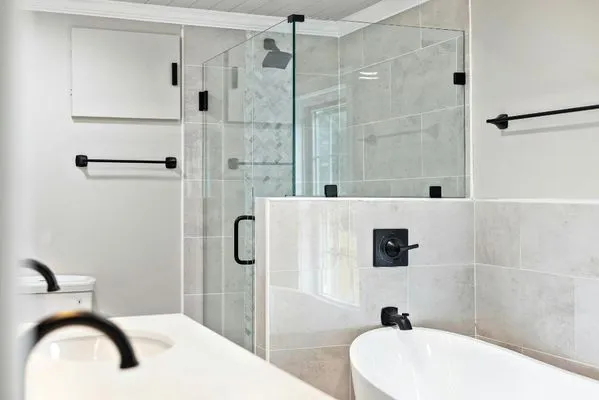
Bailey's Landscaping and Masonry
Bailey's Landscaping and Masonry is a Clyde-based general contractor specializing in both home and landscape transformations. We provide comprehensive whole-home remodeling services for the Abilene an...
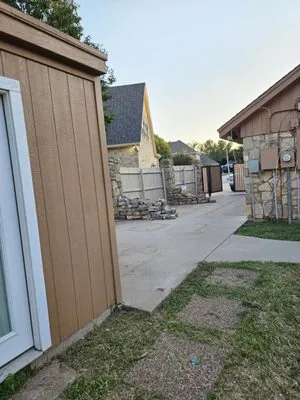
Dust 2 Dawn Cleaning in Clyde, TX, is a locally owned and operated home service business founded by Robin and run with her best friend and business partner, Joanna. What began as referrals from estate...
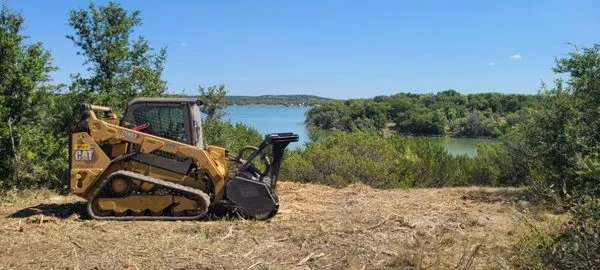
Brushless Mulching Service is a trusted local provider in Clyde, TX, specializing in comprehensive land care and custom fabrication. We offer expert landscape maintenance, professional tree care, and ...
Question Answers
How should I handle invasive species like Johnson Grass without violating fertilizer regulations?
Johnson Grass and other invasive species in Clyde require targeted treatment during active growth periods, typically avoiding state-mandated nutrient management blackout dates. Mechanical removal combined with spot-applied herbicides during appropriate seasons provides effective control without broad chemical applications. Always verify treatment timing against local ordinance schedules to prevent violations. Healthy native plant communities naturally resist invasion better than stressed turf, making proper soil management your first defense.
Should I choose permeable limestone or wood for my new patio in Clyde's moderate fire risk area?
Permeable limestone offers superior longevity and fire resistance compared to wood in Clyde's Moderate WUI Zone 2. While wood requires regular treatment and deteriorates faster, limestone provides permanent structure with minimal maintenance. The non-combustible nature of stone materials supports defensible space requirements for fire-wise landscaping. Decomposed granite offers similar benefits with excellent permeability that reduces runoff from our heavy clay soils.
Why does my Clyde City Center yard have such hard, compacted soil that won't absorb water?
Most Clyde homes built around 1971 have 55-year-old soil profiles dominated by Calcareous Clay with pH 7.9-8.2. This alkaline clay becomes increasingly compacted over decades, reducing permeability and creating a dense layer that restricts root growth and water infiltration. Core aeration with organic amendments like composted pine bark is essential to break up this compaction and improve soil structure. Without intervention, this mature clay soil will continue to cause drainage issues and limit plant health.
What are my options for reducing lawn maintenance while preparing for potential gas equipment restrictions?
Replacing high-maintenance turf with native plants like Texas Sage, Flame Acanthus, and Little Bluestem creates a resilient landscape that requires minimal inputs. These adapted species need less water, no regular mowing, and thrive in Clyde's Zone 8a climate with calcareous soils. Transitioning to electric maintenance equipment now positions your property ahead of potential noise ordinance changes while supporting 2026 biodiversity standards. Native plant communities also provide habitat for pollinators and require significantly less maintenance than traditional lawns.
How can I maintain healthy TifTuf Bermuda grass during Clyde's Stage 1 water restrictions?
Wi-Fi Smart ET-based controllers optimize irrigation by calculating actual evapotranspiration rates rather than using fixed schedules. These systems adjust watering based on real-time weather data, soil moisture sensors, and plant needs, typically reducing water use by 20-30% while maintaining turf health. This approach keeps TifTuf Bermuda within municipal water limits during voluntary conservation periods. Properly programmed ET controllers deliver water only when plants actually need it, preventing runoff from our heavy clay soils.
How quickly can you respond to an emergency tree cleanup after a storm in Clyde?
Our electric maintenance fleet can dispatch from Clyde City Park within 20-30 minutes during peak storm response periods. We route via I-20 to minimize travel time while complying with standard quiet hours from 10 PM to 7 AM. This rapid response capability is particularly valuable for HOA compliance situations where fallen branches or debris require immediate attention. Our equipment operates within noise ordinances while providing efficient cleanup services.
What permits and licenses are required for regrading my 0.25-acre Clyde property?
Grading work on 0.25-acre lots in Clyde requires permits from the City of Clyde Building Inspections Department and contractors licensed through the Texas Department of Licensing and Regulation. Professional licensing ensures proper erosion control, drainage engineering, and compliance with local runoff standards. Unlicensed grading can create drainage problems for neighboring properties and violate municipal codes. Always verify contractor credentials before beginning earthwork projects of this scale.
What's the best solution for the constant runoff and standing water in my Clyde yard?
Calcareous Clay soils in Clyde have naturally low permeability, creating high runoff and compaction issues. Installing permeable limestone or decomposed granite hardscapes allows water to infiltrate rather than run off, meeting City of Clyde Building Inspections Department standards for stormwater management. These materials work particularly well when combined with French drains or dry creek beds to redirect water away from structures. Proper grading with permeable surfaces can reduce runoff by 50-70% compared to traditional concrete or asphalt.
