Top Landscaping Services in Clifton, TX, 76634 | Compare & Call


Teeson Quick Move
Teeson Quick Move is your trusted local partner in Clifton, TX, offering comprehensive moving, lawn care, and junk removal services to keep your property clean and functional. We specialize in address...
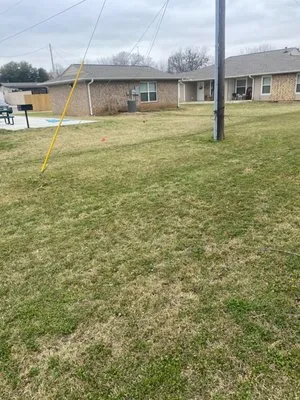
Rod's Lawn Care is your trusted local lawn service provider in Clifton, TX. We understand the specific challenges homeowners face in our area, particularly stubborn weed infestations and uneven sprink...
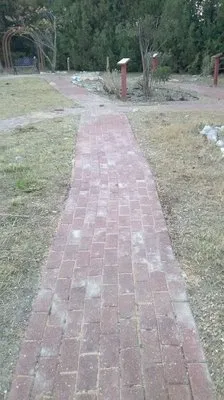
TRACYS CUSTOM LANDSCAPES
TRACYS CUSTOM LANDSCAPES is a dedicated landscaping company serving the Clifton, TX community. We specialize in comprehensive landscape design that tackles the specific challenges homeowners face in o...
Q&A
How quickly can you respond for an urgent HOA violation notice?
For emergency compliance or storm cleanup, our standard service response from the Bosque County Courthouse area is 20-30 minutes. We dispatch electric maintenance vehicles, which comply with municipal noise ordinances, via TX-6 for efficient access to Downtown Clifton. This allows for rapid debris removal or mowing to meet HOA turf height standards before a re-inspection deadline.
What permits and licenses are needed to regrade my yard?
Significant grading on a 0.25-acre lot typically requires a permit from the Clifton City Hall Planning & Zoning Department to ensure proper drainage and erosion control. The contractor must hold appropriate licensing from the Texas Department of Licensing and Regulation (TDLR), as earthmoving can impact structural foundations and municipal stormwater systems. Always verify both the business and irrigation licensee are in good standing with TDLR before work begins.
Should I use wood or stone for a new patio in Clifton?
Native Texas Limestone or Austin Chalk is superior for longevity and compliance. These materials have minimal weathering in our climate and provide a non-combustible surface crucial for meeting Moderate (WUI Zone 2) Fire Wise defensible space requirements. Unlike wood, which decays and requires treatment, stone hardscape maintains its integrity for decades without contributing to fuel loads in a wildfire scenario.
How do I keep my Bermuda grass alive during water restrictions?
Under Stage 1 voluntary conservation, precise watering is critical. Wi-Fi ET-based weather sensing controllers automatically adjust schedules using local evapotranspiration data, applying water only when needed. For TifTuf or Common Bermuda, this means deeper, less frequent cycles that encourage drought-tolerant root growth while staying within municipal guidelines. This technology typically reduces annual water use by 20-30% without sacrificing turf health.
My yard floods and then cracks. What's the long-term fix?
This cycle is symptomatic of the Bosque-Frio clay's poor vertical drainage and high shrink-swell potential. The solution involves improving subsurface permeability through vertical mulching or installing a French drain system tied to a safe outlet. For patios or walkways, using permeable base materials beneath native Austin Chalk or Texas Limestone can meet City Hall Planning & Zoning runoff standards by allowing water to infiltrate rather than sheet flow.
Why does my soil seem so hard and lifeless compared to newer neighborhoods?
Homes in Downtown Clifton were typically built around 1968, giving the soil nearly 60 years of compaction from construction and maintenance. The underlying Bosque-Frio Complex Clay has high shrink-swell potential, which, when combined with decades of foot traffic and mowing, severely reduces permeability. This creates a dense, alkaline (pH 7.9-8.2) layer that repels water and roots. To restore function, core aeration and the addition of composted organic matter are essential to reintroduce pore space and microbial life.
What should I do about invasive weeds without harming my soil?
Common invasive alerts in Zone 8a include King Ranch Bluestem and Bermuda grass encroachment in native beds. Treatment involves targeted, manual removal or precise herbicide applications during active growth phases, strictly following TCEQ guidelines to prevent phosphorus runoff. Timing is critical to avoid blackout dates in the fertilizer ordinance, and any treatment should be followed by soil amendment to help desired plants outcompete future invaders.
Is there a lower-maintenance alternative to my weekly-mowed lawn?
Transitioning perimeter zones to a xeriscape with native plants like Texas Sage, Flame Acanthus, and Lindheimer's Muhly drastically reduces water, mowing, and chemical inputs. These adapted species support local biodiversity and require no gas-powered blowers for cleanup, aligning with evolving noise ordinances. This creates a resilient landscape that conserves resources and stays ahead of potential tightening in water restrictions.
