Top Landscaping Services in Clarendon, TX, 79226 | Compare & Call
There are 172 landscaping companies server in Clarendon TX
Integrity Lawn Care is a trusted, locally-owned lawn service provider serving Amarillo, TX, and the surrounding areas. We specialize in comprehensive lawn care, helping homeowners overcome common loca...

Texas Tree and Lawn is a locally owned and operated company providing comprehensive tree care and landscaping services to Amarillo residents and businesses. Our team of experienced arborists specializ...

Mo's Lawncare provides professional landscaping and tree care services to homeowners and businesses in Amarillo, TX. We believe a well-maintained outdoor space is essential to your property's overall ...
J&M Lawn Service is a trusted, locally-owned provider in Amarillo, TX, offering comprehensive outdoor care solutions including lawn care, snow removal, and tree services. We understand the unique chal...
Arborlogical is a TCIA-accredited tree care company with over two decades of experience, providing reliable lawn and tree services to the Amarillo community. As a local, certified expert, we specializ...
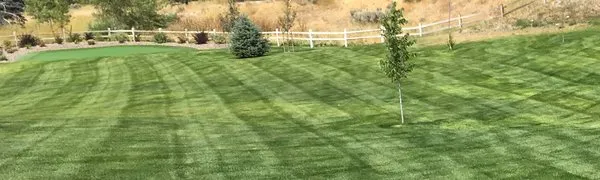
TimberCreek Services Lawn & Landscape
TimberCreek Services is your 100% locally owned, Amarillo-based partner for comprehensive outdoor property management. As the owner, I am personally involved in every project, ensuring we meet the hig...
C&E Landscaping is a trusted Amarillo-based company providing comprehensive lawn services and junk removal solutions. We specialize in appliance disposal, Christmas tree disposal, junk pickup, and pro...

A & E Lawn Service, founded in 2019 as an extension of the established A & E Underground, brings a professional and detail-oriented approach to lawn care for Panhandle residents. Under the guidance of...
Real Prize Construction is a trusted Amarillo-based contractor specializing in masonry, concrete work, landscaping, and professional pressure washing. We understand the specific challenges Panhandle h...
Rusty's Lawn and Landscape is your trusted local partner for a healthy, vibrant yard in Lake Tanglewood. We understand that local homeowners often struggle with weed infestations and patchy, uneven gr...
Estimated Landscaping Service Costs in Clarendon, TX
Q&A
What's the best solution for erosion control on my sloped Clarendon property?
Alkaline sandy clay loam has high erosion potential that requires engineered drainage solutions. Permeable crushed granite and native sandstone installations create stable surfaces that manage runoff while meeting City of Clarendon Building & Zoning Department standards. These materials allow 8-12 inches per hour infiltration rates, significantly reducing surface water movement. Proper grading with these materials prevents soil loss during heavy rain events.
How quickly can you respond to an HOA violation notice for overgrown vegetation?
Emergency compliance crews dispatch from the Donley County Courthouse area via US-287, arriving within 15-20 minutes for Downtown Clarendon properties. We prioritize electric equipment to meet municipal quiet hours while addressing immediate violations. The route optimization accounts for typical mid-day traffic patterns to ensure timely response to compliance deadlines.
Why does my Clarendon yard have such hard, compacted soil that won't absorb water?
Downtown Clarendon properties average 72 years of development, creating mature alkaline sandy clay loam soil with pH 7.9-8.2. Decades of foot traffic and conventional maintenance have reduced permeability to critical levels. Core aeration with organic compost amendments is necessary to break up compaction and improve water infiltration. This addresses the fundamental soil structure issue common in older neighborhoods.
What permits and licenses are needed for regrading my quarter-acre lot?
Grading work on 0.25-acre properties requires City of Clarendon Building & Zoning Department permits for erosion control and drainage plans. Contractors must hold Texas Department of Licensing and Regulation landscaping irrigation licenses for any water management systems. Professional licensing ensures compliance with state-mandated best practices for soil disturbance. Unlicensed grading risks significant fines and voided property insurance during storm events.
Can I maintain healthy turf while following Clarendon's water conservation guidelines?
Stage 1 voluntary conservation allows efficient irrigation when paired with smart Wi-Fi controllers using ET-based scheduling. These systems calculate actual evapotranspiration rates to deliver precise water amounts to buffalograss or common bermuda. This approach typically reduces water use 20-30% while maintaining turf health. Proper programming ensures compliance with municipal water limits during peak demand periods.
Why choose native sandstone over wood for patio materials in Clarendon?
Native sandstone offers superior longevity with 50+ year lifespans versus wood's 10-15 years in alkaline soil conditions. Its non-combustible nature supports moderate Wildland-Urban Interface fire-wise ratings by creating defensible space. The material's thermal mass moderates temperature extremes while requiring zero chemical treatments. This makes it both durable and ecologically appropriate for high-risk zones.
How do I manage invasive species without using restricted fertilizers?
Common invasive alerts include bermudagrass encroachment and bindweed, which require targeted treatment outside Texas fertilizer ordinance application windows. Mechanical removal combined with organic pre-emergents applied during permissible periods provides effective control. Proper identification and timing prevent violations while protecting desirable vegetation. This approach maintains soil health without chemical dependency.
Should I consider replacing some lawn areas with native plants?
Transitioning to little bluestem, sideoats grama, purple prairie clover, and sand sagebrush reduces maintenance demands ahead of evolving regulations. These natives require no gas-powered blowers, aligning with noise ordinance trends toward electric equipment. Established native plantings need minimal irrigation and create habitat supporting 2026 biodiversity standards. The conversion typically shows measurable ecological benefits within two growing seasons.
