Top Landscaping Services in Castle Hills, TX, 78213 | Compare & Call
There are 189 landscaping companies server in Castle Hills TX
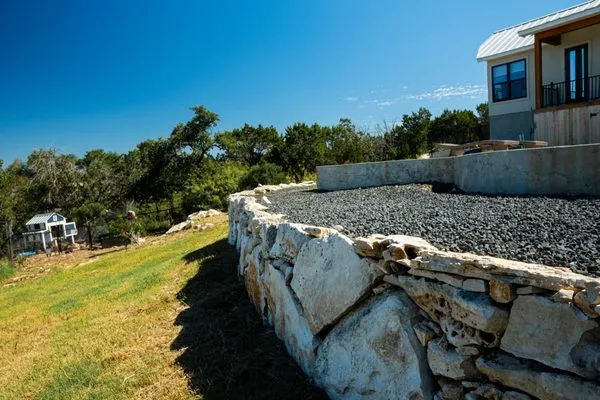
Concrete Landscaping Solutions LLC is a San Antonio-based family business with deep roots in the community. Founded by Marcos Cortinas, who started as Cortinas Lawn Service Plus at just 17 years old, ...
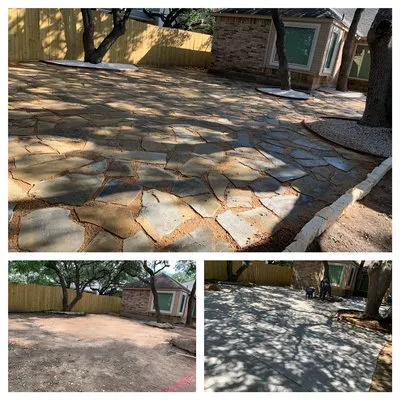
All Clean Solutions is a San Antonio-based company specializing in comprehensive landscaping, masonry/concrete, and fence & gate services. We help local homeowners address common landscaping problems ...
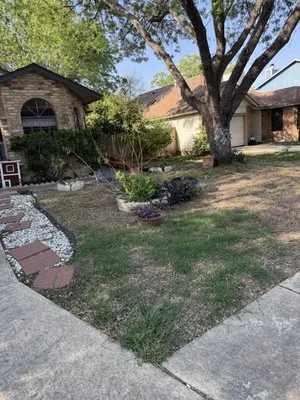
True Stone Outdoor Living is a San Antonio-based landscaping company founded in 2020 by owner Randy. Born from Randy's own frustrating experience with unreliable contractors, the business is built on ...
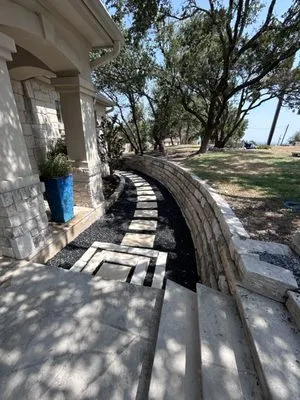
At Scenic Designs, we're a family-owned and operated San Antonio landscaping company built on a foundation of hands-on experience. Our owner started with six years in the industry and a year running h...
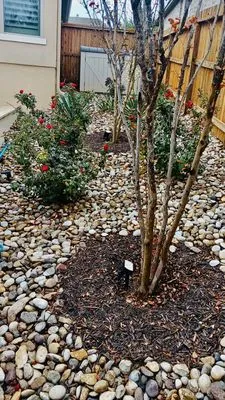
Gabriel’s Landscaping has been a trusted name in San Antonio for over a decade, founded on a genuine passion for transforming outdoor spaces. Since 2011, owner Gabriel has built a reputation for 5-sta...

Gold N Brown Recycle is a family-owned business serving San Antonio and surrounding areas, specializing in junk removal, landscaping, and handyman services. Founded by Shane Mattison (Mr. Brown) and G...
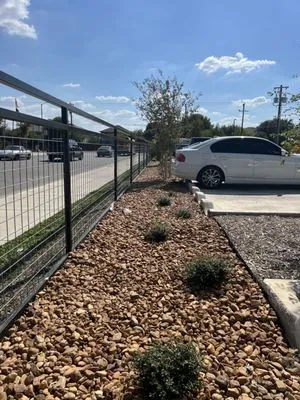
The Green Team is your trusted local expert in San Antonio, TX, offering comprehensive outdoor solutions to enhance and protect your home. We understand the unique challenges San Antonio homeowners fa...

Flores Irrigation and Landscaping is a San Antonio-based company specializing in comprehensive landscaping and irrigation solutions. We help local homeowners and businesses address common area challen...
Elite Landscaping is a family-owned and operated San Antonio institution, providing comprehensive outdoor solutions since 1997. We specialize in landscape design and construction, from initial concept...
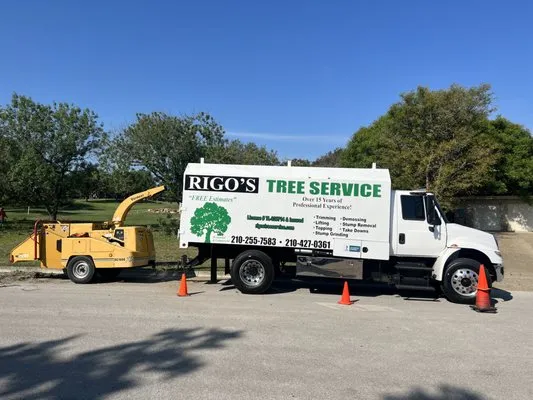
Rigo's Tree Service is a licensed and insured, locally owned company serving San Antonio for over 15 years. Our professional team is trained and skilled in all aspects of tree and landscape care, from...
Estimated Landscaping Service Costs in Castle Hills, TX
Question Answers
A fast-growing vine is taking over my flower beds. How do I remove it without harming my garden?
This is likely an invasive species like Japanese Honeysuckle or English Ivy. Manual removal of the entire root system is most effective. For persistent problems, a targeted, systemic herbicide applied in late fall when natives are dormant may be necessary. Always consult a soil test first, as the SAWS/City fertilizer ordinance discourages phosphorus application and may specify blackout dates for certain treatments to protect water quality.
I want to level part of my backyard. Do I need a permit or a special contractor?
Yes. Significant grading or earthwork on a 0.35-acre lot typically requires a permit from the City of Castle Hills Development Services to ensure proper drainage and compliance with codes. The work must be performed by a contractor licensed by the Texas Department of Licensing and Regulation (TDLR) for irrigation or landscaping if it involves altering water flow or installing systems. This protects you from liability and ensures the work addresses the property's specific clay soil challenges.
My HOA gave me a notice for overgrown landscaping. How fast can you get here for an emergency cleanup?
We prioritize HOA compliance for rapid response. From Castle Hills City Hall, our electric maintenance fleet uses US-281 for direct access, ensuring a 20-30 minute arrival during peak hours. The quiet operation of our equipment allows us to work within the 7:00 AM to 9:00 PM noise ordinance window immediately upon arrival to rectify the violation.
My patio floods every time it rains, and I've noticed new foundation cracks. What's the solution?
This is a classic symptom of the high shrink-swell potential of Houston Black Clay, which expands when wet and cracks when dry. Installing a permeable flagstone patio or crushed limestone pathway allows water to infiltrate the soil slowly, reducing surface runoff and hydraulic pressure on your foundation. The City of Castle Hills Development Services encourages such permeable hardscapes to manage stormwater and may require a permit for significant regrading.
How can I keep my St. Augustine grass alive under the current once-a-week watering restrictions?
Stage 2 restrictions require efficient water use. An EPA WaterSense Certified ET-based smart controller is essential; it adjusts runtimes daily based on local evapotranspiration data and soil moisture. For St. Augustine, this means deeper, less frequent watering cycles that encourage drought-tolerant roots. Properly calibrated, this system can maintain turf health while using 20-30% less water than a standard timer.
I'm tired of weekly mowing and blowing. Are there lower-maintenance, eco-friendly options?
Absolutely. Transitioning sections of high-input turf to a xeriscape of native plants like Texas Sage, Flame Acanthus, and Lindheimer's Muhly drastically reduces water, mowing, and fertilization needs. These plants are adapted to our zone 9a climate and clay soil. This shift also future-proofs your property against evolving noise ordinances that restrict gas-powered blowers, as native beds require minimal leaf removal.
Should I build my new garden path with wood or stone? I want something that lasts and is safe.
For longevity and fire resilience, crushed limestone or permeable flagstone is superior to wood. In Castle Hills' Moderate Fire Wise rating zone, non-combustible hardscapes create critical defensible space. Stone and limestone also withstand our clay soil's expansion without warping or rotting, and their permeability aids drainage. This creates a durable, low-maintenance feature that aligns with best practices for the urban-wildland interface.
The soil in my yard seems so dense and hard. Why is that, and what can I do about it?
Homes in Castle Hills Forest built around 1964 sit on over 60 years of compacted Houston Black Clay. This soil naturally has a high pH of 7.9 to 8.2 and suffers from poor permeability, leading to water runoff and root stress. Core aeration in spring and fall is critical to introduce oxygen. Amending with 2-3 inches of composted organic matter, not sand, will gradually improve soil structure and microbial activity for healthier plant growth.
