Top Landscaping Services in Canyon Lake, TX, 78070 | Compare & Call

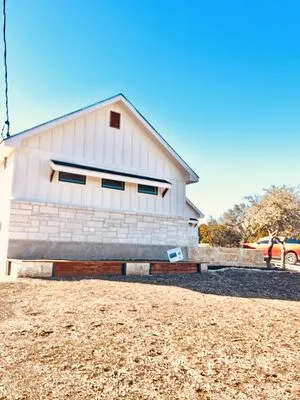
Joe Knows Land Clearing and Landscape is a trusted local contractor serving the Canyon Lake community and the greater Texas Hill Country. With roots in home construction since 2015, the business grew ...
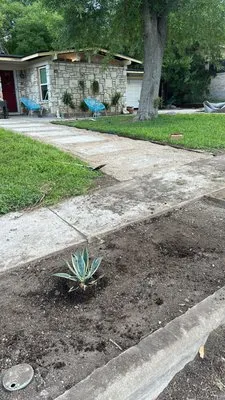
De la Rosa Services is a trusted, locally-owned lawn care provider serving Canyon Lake, TX, and the surrounding communities. We specialize in comprehensive lawn maintenance and health, with a deep und...
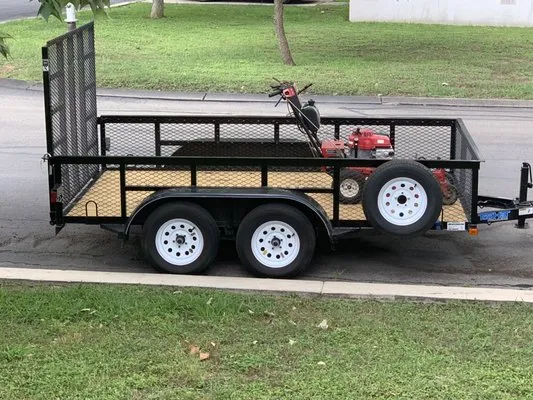
Texas Steam Pressure Washing is your dedicated local expert for maintaining Canyon Lake's beautiful landscapes. We understand that local lawns often face challenges like insect damage and soil compact...
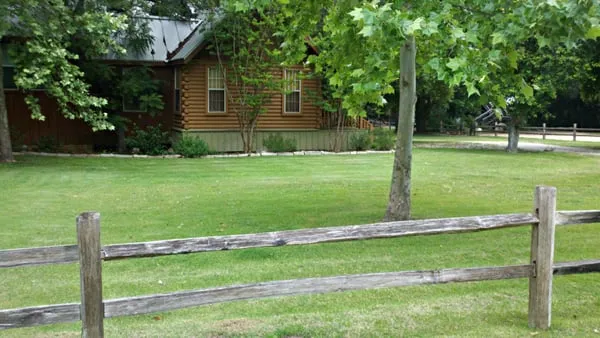
SCOTT'S LAWN CARE AND TREE TRIMMING
Scott's Lawn Care and Tree Trimming is a trusted, locally owned business serving the Canyon Lake community and surrounding areas. Founded by Scott, who brings over 30 years of hands-on experience in l...
BackYard Landscaping
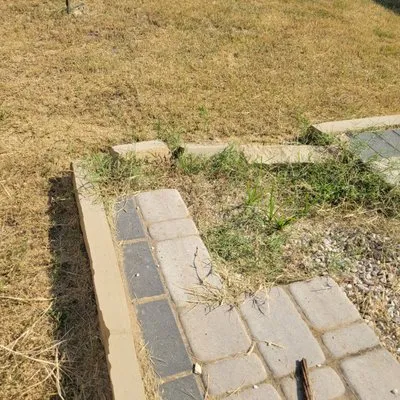
BackYard Landscaping is a locally owned and operated business founded in Canyon Lake, TX, in 2010. With over a decade of dedicated experience serving the Texas Hill Country, we've built a reputation f...
Resilient Landscping and Removal Services
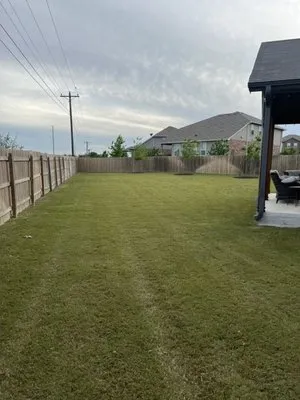
Resilient Landscaping & Removal Services LLC serves Canyon Lake, TX, providing comprehensive solutions for both landscaping and junk removal needs. Our team specializes in transforming outdoor spaces ...
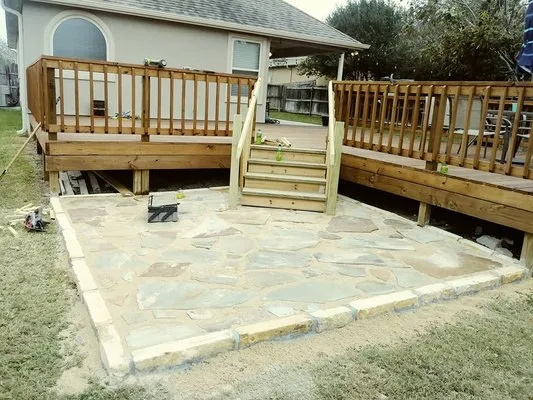
No Mow Worries is a trusted landscaping, fencing, and tree service provider serving Canyon Lake, TX. We specialize in comprehensive solutions for common local landscaping challenges like dying shrubs ...

Savage Landscaping and Irrigation is a local, woman-owned business in Canyon Lake, TX, dedicated to transforming outdoor spaces with reliable landscaping and irrigation services. Led by owner Deann Sa...
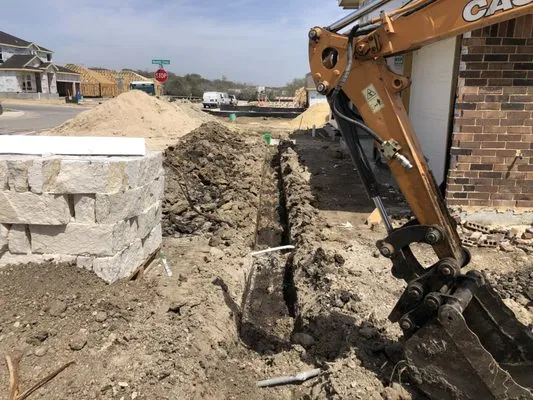
Ranger Land Services LLC is a locally owned and operated excavation and landscaping contractor serving Canyon Lake, TX, with 15 years of construction experience. We specialize in dirt work and excavat...
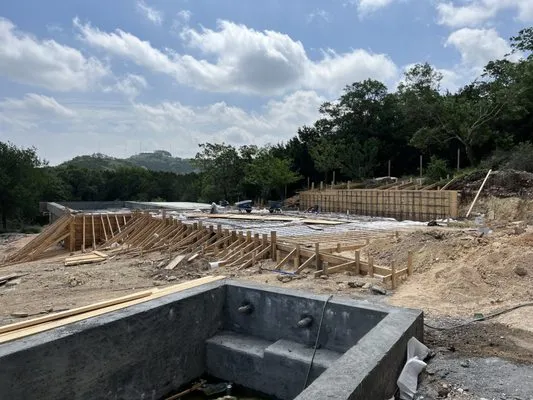
Native Frontier is a trusted local contractor in Canyon Lake, TX, specializing in comprehensive outdoor solutions. We handle everything from irrigation systems and landscape design to fencing, hardsca...
Common Questions
How can I maintain healthy turf while following Stage 2 water restrictions?
Wi-Fi ET-based weather sensing irrigation systems calculate precise water needs by monitoring local evapotranspiration rates and soil moisture. For St. Augustine or Zoysia 'Zeon' turf, these systems automatically adjust schedules to stay within the 2-day-per-week municipal limits while preventing drought stress. Programming separate zones for turf versus native plantings optimizes water distribution. Regular system audits ensure no leaks or misaligned heads waste precious water resources during peak demand months.
How quickly can you respond to emergency storm damage for HOA compliance?
Emergency cleanup crews dispatch from the Canyon Lake Dam area via FM 306, reaching Canyon Lake Hills properties within 45-60 minutes during peak response scenarios. This routing avoids typical congestion points while maintaining access to equipment staging areas. We prioritize securing hazardous branches, clearing driveways, and documenting damage for insurance purposes within the first two hours. Coordination with HOA representatives begins immediately upon arrival to ensure compliance with community standards.
What permits and licenses are required for grading work on a 0.45-acre lot?
Grading operations on a 0.45-acre property in Comal County require a land disturbance permit from the Comal County Development Office, with engineered drainage plans for lots exceeding 0.25 acres. Contractors must hold appropriate licensing through the Texas Department of Licensing and Regulation, specifically landscape irrigation or excavator licenses depending on scope. Projects altering water flow patterns or removing more than 50 cubic yards of material trigger additional review. Always verify current requirements, as regulations updated in 2025 now include stricter erosion control measures for karst topography areas.
What solutions prevent sinkhole formation and runoff issues on my property?
Karst topography in Canyon Lake requires engineered drainage solutions that address both surface runoff and subsurface vulnerabilities. Permeable Texas limestone hardscape installations allow water infiltration while meeting Comal County Development Office runoff standards. French drains connected to dry wells redirect water away from foundation areas, and grading adjustments create positive drainage slopes. These systems work together to minimize erosion and reduce the hydrostatic pressure that contributes to sinkhole development in alkaline soils.
Why choose Texas limestone over wood for patio construction in fire-prone areas?
Native Texas limestone offers superior longevity and fire resistance compared to wood, with an expected service life exceeding 50 years versus wood's 15-25 year lifespan. The material's non-combustible nature supports WUI Zone 2 defensible space requirements by creating a firebreak around structures. Properly installed limestone requires minimal maintenance and develops a natural patina that blends with the Hill Country landscape. For high-risk zones, limestone's thermal mass also helps moderate temperature extremes near dwelling envelopes.
What are the benefits of replacing turf with native plants in our neighborhood?
Transitioning from high-maintenance turf to Texas Sage, Flame Acanthus, Lindheimer's Muhly, and Gregg's Mistflower reduces water consumption by approximately 70% while supporting local pollinators. These deep-rooted natives improve soil structure and require no gas-powered blowers for maintenance, aligning with evolving noise ordinance considerations. The planting scheme creates natural firebreaks that enhance WUI Zone 2 compliance. Over three growing seasons, established native plantings virtually eliminate the need for chemical inputs while providing year-round visual interest.
Why does my soil seem so compacted and alkaline in Canyon Lake Hills?
Properties built around 2002 in Canyon Lake Hills have soil that has matured for approximately 24 years on the Tarrant-Rock Outcrop Complex. This soil type naturally develops high pH levels of 7.9-8.4 and becomes compacted over time due to construction practices and routine maintenance. Core aeration performed in early spring improves soil percolation, while incorporating organic amendments like composted pine bark lowers pH gradually. These adjustments create better conditions for root development in both turf and native plantings.
How do I manage invasive species without violating fertilizer regulations?
Common invasive alerts in Canyon Lake include Bermudagrass encroachment and Chinese privet, which compete with native vegetation. Mechanical removal during dormancy periods avoids the need for herbicides near water bodies where phosphorus-based fertilizers are prohibited. For persistent invasions, targeted glyphosate applications in fall followed by immediate native reseeding prevents soil exposure. Always check local blackout dates before any treatment, and consider soil testing to determine if amendments are truly necessary rather than applying fertilizers prophylactically.
