Top Landscaping Services in Bridgeport, TX, 76426 | Compare & Call
There are 118 landscaping companies server in Bridgeport TX

Eleven Eleven Strategies
Eleven Eleven Strategies is a trusted local provider in Azle, TX, specializing in comprehensive outdoor solutions including fences & gates, lawn services, and tree care. We help Azle homeowners mainta...
Irish Mist in Garland, TX, is a local pest control and lawn services provider dedicated to helping homeowners maintain healthy, beautiful outdoor spaces. Specializing in lawn care, they address common...
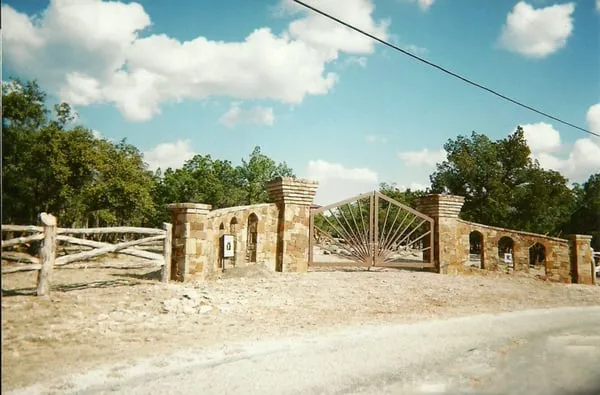
JEC Landscapes is a family-owned landscaping and design business proudly serving Weatherford, TX, and surrounding areas since 2001. We specialize in comprehensive outdoor solutions, including irrigati...
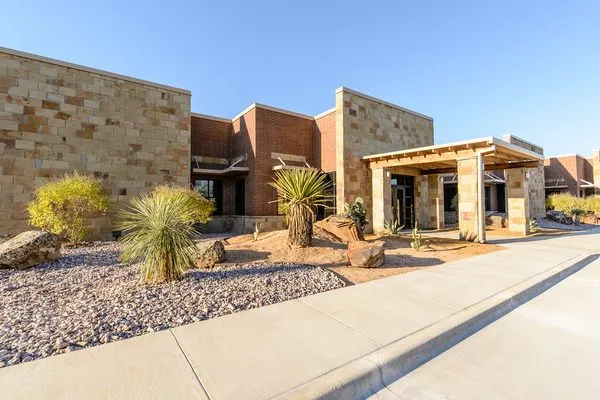
Suncrop LP is a Weatherford-based landscape and irrigation company founded 16 years ago by Charles Lynch. With over 20 years of combined experience in irrigation services, we specialize in custom desi...

Best Deal S & Dirt & Gravel is a locally owned and operated landscaping business serving Springtown, TX, and surrounding Parker, Tarrant, and Wise Counties since 1989. Licensed and insured, we special...
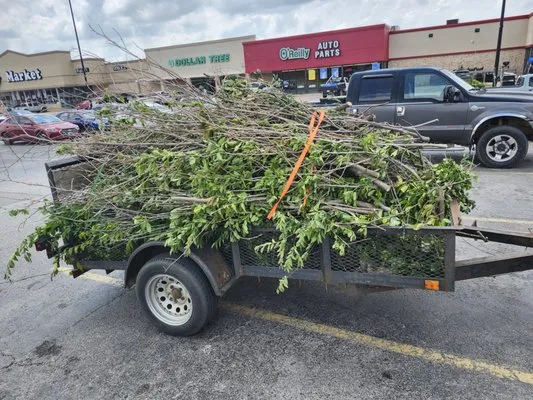
Honey Dew in Decatur, TX is a local, family-owned business specializing in comprehensive outdoor care for residential and commercial properties. With expertise in tree services, landscaping, and press...
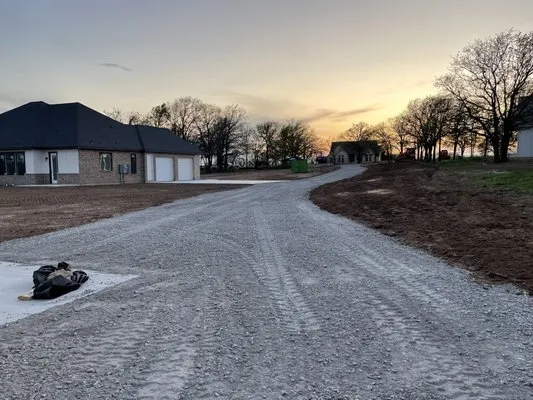
Infinite Earthwork is a Fort Worth-based excavation, demolition, and lawn services company dedicated to serving North Texas families and businesses. With expertise in soil backfilling, earthmoving, la...

Luttrell Residential is a veteran-owned and operated company serving Cresson, TX, with a commitment to high moral values and integrity in every project. We specialize in comprehensive residential serv...

JD & Son is a family-owned Fort Worth handyman, landscaping, and general contracting business that started by helping neighbors with home projects. We believe in transparent pricing, detailed estimate...
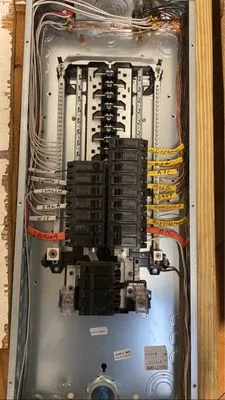
Francisco's Handyman Services is a trusted, family-owned business serving Watauga, TX, with over 30 years of experience in home maintenance and repairs. We specialize in plumbing, electrical work, and...
Estimated Landscaping Service Costs in Bridgeport, TX
Q&A
Our yard floods after heavy rain; what's a lasting fix that also looks good?
High runoff in Bridgeport is directly linked to the low permeability of our native clay soils. Installing a French drain system tied to a dry creek bed is an effective hydraulic solution. Surfacing patios or walkways with permeable limestone pavers further reduces sheet flow and can help projects meet the Bridgeport Planning & Development Department's stormwater management standards. This integrated approach manages water at the source.
How fast can a crew respond to a major storm cleanup for HOA compliance?
An emergency dispatch for storm debris or fallen limbs typically requires 20-30 minutes during peak hours from our central staging area. The standard route originates at Northwest OH Ivie Park, proceeds east on US-380, and accesses Downtown Bridgeport neighborhoods. Crews arrive equipped with electric-powered chippers and blowers, operating under the 70 dB noise ordinance, to begin immediate triage and site safety assessment.
Are permeable limestone pavers a better long-term choice than wood decking?
For longevity and fire resilience, limestone is superior. It does not rot, warp, or attract termites, providing a permanent structure with minimal upkeep. Its permeability aids in stormwater management, a key site consideration. In Bridgeport's Moderate (WUI Zone 2) fire risk rating, non-combustible hardscape materials like stone contribute directly to creating the defensible space required around structures.
Our soil in Downtown Bridgeport feels dense and lifeless; what's the long-term solution?
Homes built around 1975, common in this neighborhood, have soils that have matured for over 50 years. This Alfisol/Mollisol base with a high clay fraction becomes heavily compacted, reducing permeability and root penetration. A core aeration program, followed by top-dressing with 1-2 inches of composted organic matter, is essential to rebuild soil structure and microbial activity. This addresses the inherent shrink-swell capacity and supports long-term plant health.
How do we keep our TifTuf Bermuda lawn healthy during Bridgeport's Stage 1 water restrictions?
Wi-Fi ET-based irrigation controllers are the operational standard for conservation. These systems use local weather station data to apply only the precise water lost to evapotranspiration, eliminating wasteful schedules. For TifTuf Bermuda, this typically means 2-3 deep watering events per week in peak summer, aligning with voluntary conservation goals. This technology prevents overwatering, which is critical in heavy clay soils prone to runoff.
What permits and contractor credentials are needed for regrading our 0.25-acre lot?
Any significant alteration of land contours requires a grading permit from the Bridgeport Planning & Development Department to ensure proper drainage and erosion control. The contractor performing this work must hold an Irrigator or Landscape Architect license from the Texas Department of Licensing and Regulation (TDLR). This licensing is mandatory for projects impacting water movement on lots of this size, protecting you from liability and substandard work.
What invasive species should we watch for, and how are they treated safely?
Common invasive alerts for Zone 8a include Bermuda grass encroachment into beds and persistent bindweed. Treatment involves targeted, non-residual herbicide applications during active growth phases, strictly following the label's BMP nutrient management guidelines to protect watersheds. Critical timing avoids city-mandated blackout dates for fertilizer and certain chemicals, ensuring applications are both effective and legally compliant.
Is there a lower-maintenance, eco-friendly alternative to a traditional turf lawn?
Transitioning to a xeriscape with climate-adapted natives like Texas Sage, Flame Acanthus, and Little Bluestem significantly reduces water, mowing, and chemical inputs. These plants support local pollinators and require no fertilization once established. This shift also future-proofs your property against potential tightening of noise ordinances that may restrict gas-powered blowers and mowers, as electric maintenance is quieter and sufficient for native beds.
