Top Landscaping Services in Brenham, TX, 77833 | Compare & Call

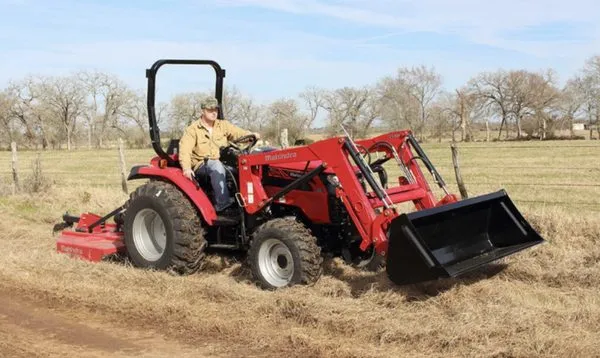
Lone Star Shredding Plus
For over a decade, Lone Star Shredding Plus has been a trusted family-owned and operated business serving Brenham and Washington County. Our roots run deep in the local soil, starting with a successfu...
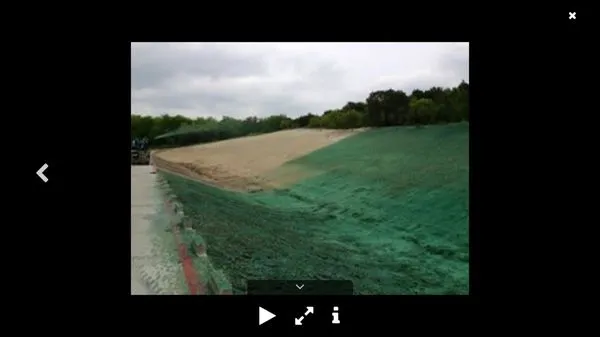
Brazos Valley Hydroseeding is a family-owned and operated commercial hydroseeding business serving Brenham and the surrounding Texas communities. We specialize in professional hydromulching and erosio...

D&D Maintenance in Brenham is a father-son team dedicated to helping our neighbors. What started as a way for my son to earn extra money has grown into a business we truly enjoy, built on providing ho...
WeDoItAll Landscaping is your trusted, full-service landscaping partner in Brenham, TX. We provide expert landscape construction, meticulous maintenance, and comprehensive tree care, including plantin...
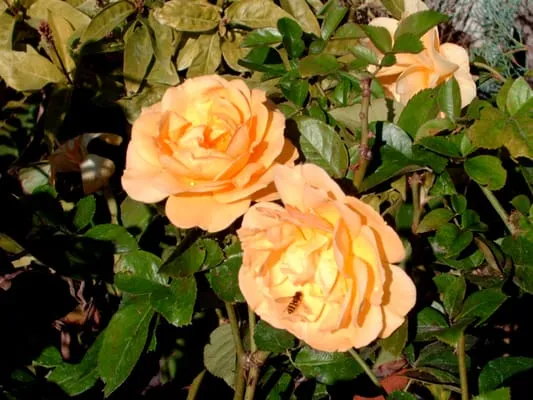
Discount Trees of Brenham
Founded in 1987 by John Lammers, Discount Trees of Brenham began with 50 small trees while John worked a full-time night job. Through dedication and honest work, it has grown into a 12-acre farm with ...

DC Solutions is your local Brenham, TX partner for a cleaner, more beautiful property. We specialize in three key areas: junk removal & hauling, comprehensive landscaping, and in-state moving. For Bre...
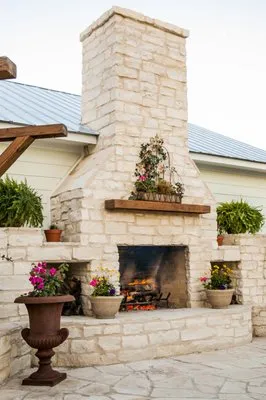
Glasco & Co Landscaping
Glasco & Co Landscaping has been serving the Brenham community since 1980, when Troy and Tami Glasco arrived and started a small lawn business while Troy attended Blinn College. Growing up maintaining...
Fielding’s Lawn Care is a trusted local lawn and tree service provider based in Brenham, TX. We understand that many homes in our area face common landscaping challenges like persistent lawn fungus an...
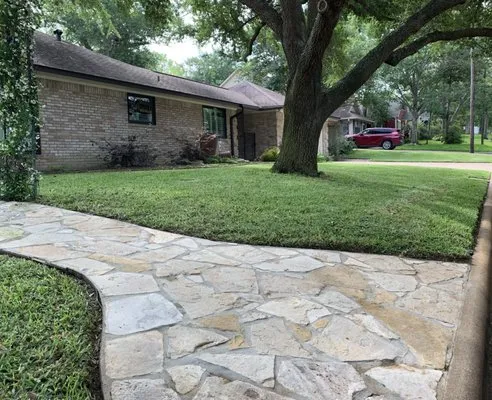
Graciano's Lawn Service is a family-owned lawn care business serving Brenham, TX. We focus on understanding each homeowner's specific needs to provide customized lawn maintenance solutions. Our approa...
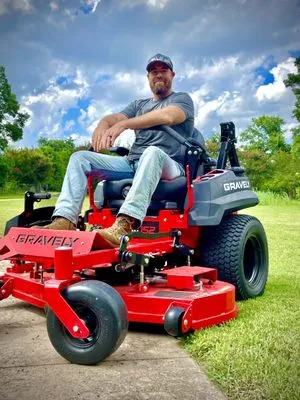
Farmer Jack's Lawn & Garden
At Farmer Jack's Lawn & Garden in Brenham, we blend deep roots in organic farming with years of high-end groundskeeping experience to create beautiful, functional outdoor spaces. Our approach is pract...
Questions and Answers
I've spotted invasive vines. How should I treat them without harming my other plants or violating local rules?
For invasive species like Japanese honeysuckle or Chinese privet, precise foliar application of a glyphosate-based herbicide in late fall is most effective, targeting the plant as it translocates nutrients to roots. Always follow TCEQ state guidelines for application rates and avoid any treatments near waterways. There is no specific municipal ban, but responsible timing prevents drift and protects non-target vegetation.
A storm knocked down limbs and debris. How fast can you respond for an emergency cleanup in Downtown Brenham?
An emergency dispatch from our central staging area near Fireman's Park allows a response within 20-30 minutes during peak conditions. The primary route utilizes US-290 for direct access, prioritizing clearance of driveways and public right-of-ways first. This protocol ensures immediate safety and meets typical HOA compliance deadlines for post-storm debris.
My yard collects water after heavy rains. What's a long-term solution for poor drainage on my property?
Moderate runoff here is typically caused by the transition from sandy loam surface to a dense clay subsoil, which impedes percolation. Installing a French drain system or dry creek bed redirects subsurface water. Using permeable concrete or crushed limestone for any new patios or paths also increases ground absorption, helping meet City of Brenham Development Services standards for onsite stormwater management.
Why is my lawn so compacted and thin despite regular care in my Downtown Brenham neighborhood?
Homes built around 1984 have soils that have matured for over 40 years. The prevalent acidic sandy loam in this area compacts easily under routine maintenance, reducing permeability and root oxygen. Core aeration in spring and fall, paired with compost topdressing, rebuilds soil structure by introducing organic matter. This process directly addresses the high clay content in the subsoil common to these older lots.
How can I maintain a healthy St. Augustine lawn while following Brenham's Stage 1 water conservation guidelines?
Effective irrigation hinges on precise evapotranspiration (ET) data. A Wi-Fi ET-based weather sensing controller automatically adjusts runtime by integrating local rainfall, temperature, and humidity. This system delivers water only when the turfgrass root zone requires it, often reducing usage by 20-30%. This method keeps St. Augustine viable within voluntary conservation limits by preventing overwatering.
I'm tired of weekly mowing and blowing. Are there lower-maintenance, attractive alternatives to my traditional lawn?
Transitioning to a xeriscape or native plant garden significantly reduces maintenance inputs. Incorporating Gulf Muhly grass, Turk's Cap, and Mexican Plum creates a resilient landscape that requires no weekly mowing and minimal seasonal trimming. This approach preemptively reduces reliance on gas-powered blowers, aligning with evolving noise ordinances and supporting local biodiversity with species like Texas Bluebonnet.
What permits and contractor qualifications are needed to regrade and reshape my 0.25-acre lot?
Significant regrading that alters water flow or involves retaining walls over 4 feet typically requires a permit from the City of Brenham Development Services. The contractor must hold appropriate licensing from the Texas Department of Licensing and Regulation (TDLR), ensuring they carry insurance and adhere to engineered plans. This is critical on a 0.25-acre lot where improper grading can create drainage liabilities for adjacent properties.
Is a wooden deck or a stone patio better for longevity and fire safety in the Brenham area?
Crushed limestone or permeable concrete patios offer superior longevity and align with Moderate (WUI Zone 2) fire-wise ratings for defensible space. These inorganic materials are non-combustible and require no sealing or replacement due to rot or insect damage, unlike wood. A properly installed permeable hardscape also mitigates local heat island effect and supports the soil's hydrological function.
