Top Landscaping Services in Borger, TX, 79007 | Compare & Call
There are 32 landscaping companies server in Borger TX
Francis Concepts is a trusted landscaping and tree service provider serving Borger, TX, and the surrounding areas. We specialize in landscape maintenance and professional tree care to help local homeo...
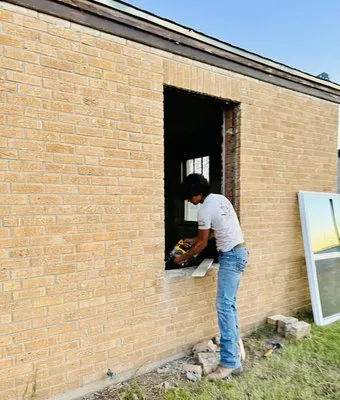
Bradley Jacob Solutions is a Fritch-based contractor specializing in demolition, cleanup, and renovation projects. As a local SF High graduate, owner Bradley Jacob is dedicated to revitalizing the com...
Estimated Landscaping Service Costs in Borger, TX
Questions and Answers
What licenses are required for a contractor to regrade my backyard and install a drainage system?
Significant grading and drainage work on a 0.22-acre property requires a licensed professional. The contractor must hold appropriate classification from the Texas Department of Licensing and Regulation. Furthermore, the Borger Building Inspection Department typically requires a permit for any grading that alters site drainage patterns, as it impacts runoff. Always verify both state license and local permit compliance to ensure the work is legal, insured, and adheres to municipal code.
Why does my soil seem so hard and lifeless compared to the dirt in newer neighborhoods?
Your Downtown Borger lot has a soil history dating to around 1965, giving it over 60 years of maturity. The native alkaline clay loam, with a pH of 7.9-8.2, has likely become heavily compacted over decades, reducing permeability and organic matter. This compaction, common in older neighborhoods, restricts root growth and water infiltration. Annual core aeration and amendments like composted organic matter are critical to rebuild soil structure and biological activity.
My yard floods after every rain. What's a permanent solution that also looks good?
High runoff is typical for alkaline clay loam, which expands when wet and has very low percolation. The solution integrates subsurface drainage with surface grading. Using permeable materials like crushed caliche for patios or walkways allows water to infiltrate locally, reducing sheet flow. All such work must meet the Borger Building Inspection Department's runoff standards, often requiring a designed system to manage water from a 0.22-acre lot.
How can I keep my lawn alive during voluntary water restrictions without wasting water?
In Borger's Stage 1 conservation stage, smart Wi-Fi ET-based irrigation is essential. This system uses local weather data to apply water only when and where your Buffalograss or Bermuda needs it, matching evapotranspiration rates. This technology can reduce outdoor water use by 20-30% while maintaining turf health, keeping you well within voluntary limits. Properly programmed, it prevents runoff on our high-clay soils, making every gallon count.
How fast can you respond for an emergency storm cleanup to avoid HOA fines?
Our emergency dispatch for Downtown Borger coordinates from a central hub near Huber Park. Using TX-136, our peak storm response time is 15-20 minutes for tree limb removal and debris clearing. We prioritize securing the site to prevent property damage and immediately document conditions for HOA compliance reports. This routing logic ensures we meet critical response windows even during severe weather events.
What are the biggest weed threats here, and how do I deal with them safely?
Invasive species like Field Bindweed and Russian Thistle thrive in compacted clay. Treatment requires an integrated approach: improving soil health to favor desired plants, using targeted pre-emergent herbicides, and manual removal. All applications must follow the state-standard fertilizer ordinance, avoiding phosphorus unless a soil test confirms a deficiency. This prevents chemical runoff into the local watershed while effectively managing invasions.
I'm tired of constant mowing and blowing. Are there lower-maintenance, native options?
Yes, transitioning to a xeriscape with regional natives like Sand Sagebrush, Little Bluestem, and Purple Prairie Clover drastically reduces maintenance. These plants are adapted to our zone 7a climate and alkaline soil, requiring no fertilizer, minimal water, and no weekly mowing. This shift pre-emptively reduces reliance on gas-powered blowers, aligning with evolving noise ordinances and creating a resilient, biodiverse landscape.
Is crushed caliche or native sandstone better for a long-lasting patio that's also fire-safe?
Both are superior to wood for longevity in Borger's climate. Crushed caliche compacts into a highly stable, permeable surface, while native sandstone offers a more formal aesthetic. For fire safety in this Moderate Firewise zone, both are non-combustible and help create the required defensible space. Your choice should balance permeability needs for drainage with the desired aesthetic and budget, as both materials meet critical safety and durability standards.
