Top Landscaping Services in Belton, TX, 76502 | Compare & Call
There are 187 landscaping companies server in Belton TX
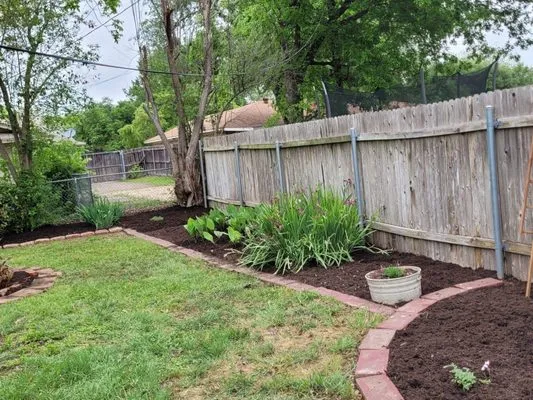
Aaron Frost Lawn Care is a family-owned and operated business dedicated to providing reliable lawn, gutter, and tree services for homes and businesses throughout the Temple and greater Bell County are...
Linarez Lawn & Landscaping
Linarez Lawn & Landscaping is a trusted, locally-owned landscaping and tree service company serving Belton, TX, and surrounding areas. We specialize in comprehensive landscape maintenance and expert t...
Gaines Landscaping is a trusted local landscaping company serving Temple, TX homeowners. We specialize in addressing common local landscaping challenges like patchy lawn grass and tree root lawn damag...
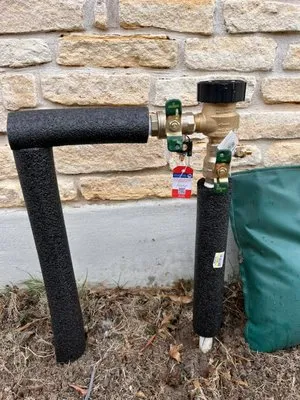
A Cut Above is a licensed landscaping company serving Central Texas, including Temple, Belton, Harker Heights, and Hewitt. We specialize in comprehensive outdoor solutions, from landscape construction...

Legacy Irrigation Landscape
Legacy Irrigation Landscape is a Temple-based company specializing in comprehensive irrigation and landscaping solutions. We provide irrigation construction, design, repair, and maintenance, along wit...

Tutsons Landscaping & Sprinklers is a trusted local provider in Temple, TX, specializing in comprehensive outdoor solutions. We address common local issues like landscape edging damage and poor lawn g...
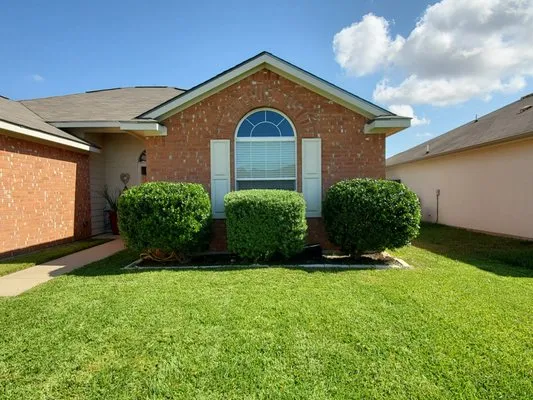
Reynolds Landscape and Irrigation is a family-owned business proudly serving Temple, Texas, since 2018. With a combined 15 years of experience in customer service and lawn care, we provide reliable, h...
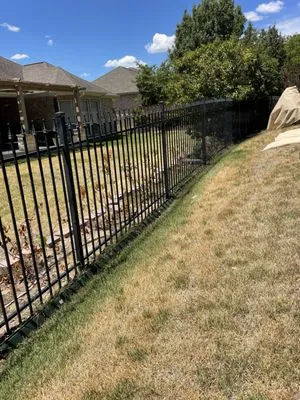
Gomez Fence & Landscape is a locally owned and operated business serving Temple, TX. We provide reliable fence, gate, and landscaping services, from installation and repair to design and maintenance. ...
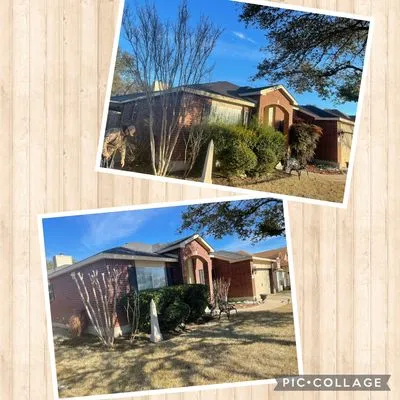
CJ's Mowing Service, a trusted lawn and tree care provider in Harker Heights, TX, has been serving the community since 2017. As a registered and insured sole proprietorship owned by CJ Wilk, the busin...

Kingdom Best Landscaping is a full-service landscaping company serving Temple and the surrounding communities. We provide comprehensive care for your outdoor space, from routine maintenance to complet...
Estimated Landscaping Service Costs in Belton, TX
Question Answers
Is Austin Chalk Limestone a good choice for a new patio compared to wood?
Yes, for durability and fire resilience. Austin Chalk Limestone is a native material that withstands our climate extremes without rotting, warping, or requiring chemical treatments. For properties in the Moderate (WUI Zone 2) fire risk area, its non-combustible nature contributes to defensible space. A properly installed dry-laid limestone patio also offers better permeability than concrete, aiding drainage.
Why does my lawn in Belton Heights have such thick, hard soil that water just sits on top?
Your home, built around 1996, sits on 30-year-old Belton Heights development soil, which is a compacted Blackland Prairie Vertisol. This high-clay soil naturally has low permeability and a pH of 7.5-8.2. Decades of standard maintenance have reduced organic matter, creating a dense crust. Core aeration followed by top-dressing with compost is essential to improve soil structure and water infiltration, moving it from a hardpan to a healthy, living medium.
My yard floods after every rain. What's a permanent fix for this clay soil?
Ponding is a classic symptom of Blackland Prairie Vertisols, where shrink-swell clay has very low percolation. The solution integrates grading for positive surface flow and installing subsurface French drains. Using permeable materials like crushed Austin Chalk Limestone for patios or walkways also reduces runoff, helping new hardscape projects meet City of Belton Planning & Zoning standards for stormwater management.
What's a lower-maintenance, eco-friendly alternative to my high-input lawn?
Transitioning sections of turf to a native xeriscape is highly effective. Planting Texas Sage, Flame Acanthus, and Lindheimer's Muhly creates a resilient landscape that requires minimal water, no regular mowing, and little fertilization. This approach significantly reduces the need for gas-powered blowers and mowers, future-proofing your property against potential tightening of local noise ordinances focused on combustion engines.
Can you respond quickly for an emergency storm cleanup to avoid an HOA violation?
Yes. Our standard storm response protocol for Belton is a 20-30 minute dispatch from our central staging area near the Bell County Courthouse. Crews take I-35 for direct access to neighborhoods like Belton Heights, prioritizing safety and immediate debris removal. This rapid response is designed to mitigate hazards and preempt compliance notices, with all work documented for your HOA.
Do I need a permit to re-grade my backyard for better drainage?
Often, yes. Significant regrading that alters water flow or involves moving more than a few cubic yards of soil typically requires review by the Belton Planning & Zoning Department. Furthermore, any work on an irrigation system, including adjusting heads in a drainage zone, must be performed by a licensed irrigator credentialed by the Texas Department of Licensing and Regulation, especially on a 0.22-acre lot where water management is critical.
I've spotted invasive grass in my lawn. How do I deal with it safely?
Common invasive alerts for Zone 8b include Bermudagrass in flower beds and Dallisgrass in turf. Targeted, non-selective herbicide applied via wicking or careful spot-spraying is the most effective control. All treatments follow local Best Management Practices for Phosphorus reduction to protect watersheds, avoiding application before forecasted rain to prevent runoff into the Leon River watershed.
How can I keep my TifTuf Bermuda green under Belton's water restrictions?
An ET-based, Wi-Fi-connected irrigation controller is the technical solution. It automatically adjusts watering schedules using real-time local weather data, applying water only when evapotranspiration rates demand it. This system precisely meets the needs of drought-tolerant TifTuf Bermuda while adhering to Stage 1 voluntary conservation, often reducing water use by 20-30% compared to traditional timer-based systems.
