Top Landscaping Services in Austin, TX, 73301 | Compare & Call
There are 190 landscaping companies server in Austin TX
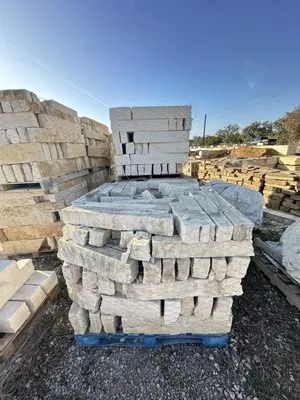
B Texas Mulch
For nearly 20 years, B Texas Mulch has been a trusted, family-owned resource in Spicewood, TX. Operating from our 20-acre site, we are more than just a supplier; we are a local brush recycler and full...
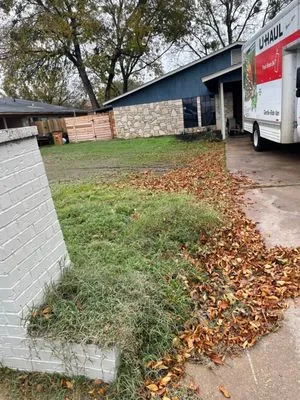
Total Land Care is your trusted, locally-owned landscaping partner in Austin, TX, dedicated to maintaining the beauty and health of your outdoor spaces. We specialize in comprehensive gardening, lands...
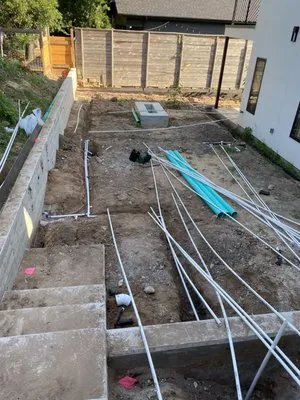
Sanchez Irrigation & Landscaping has been a trusted fixture in the Del Valle community since 2003, built on a foundation of deep-rooted expertise. Owner Juan Sanchez began his career with a Texas Irri...
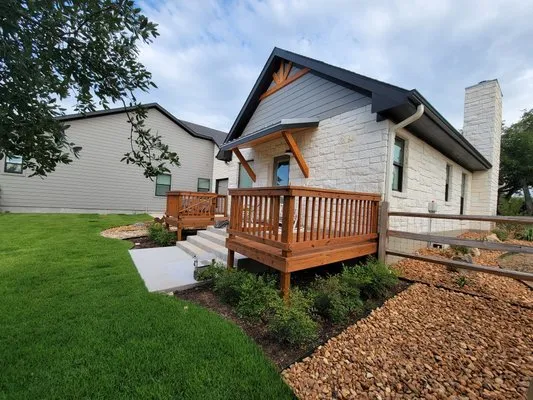
Marquez AD Landscape Design has been a trusted, BBB-certified partner for Austin property owners since 2007. We specialize in creating and maintaining beautiful, functional outdoor spaces, from initia...
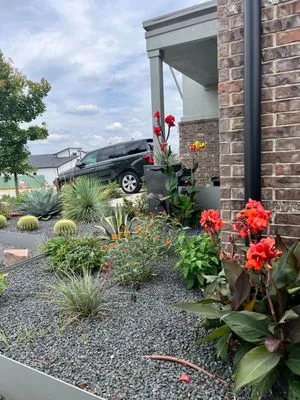
Solid Rock Landscaping & Lawn Care in Austin, TX, is a community-focused lawn and tree service company. Founded in early 2023, the business was born from a direct connection to the local immigrant com...
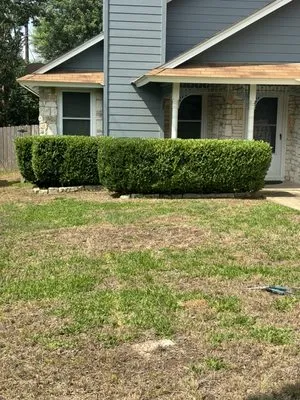
Joseph And Sons Construction is a family-owned business in Austin, TX, specializing in handyman services, painting, and landscaping. With a commitment to integrity and community values, we provide rel...
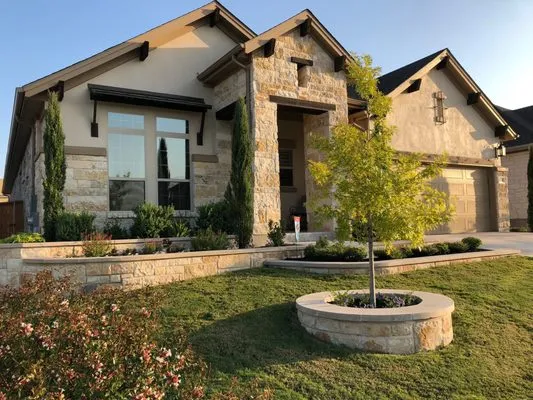
Blue Agave Landscapes is a licensed and insured landscaping company serving Hutto, TX, and the greater central Texas area, including Austin, Round Rock, and Georgetown. With over a decade of experienc...
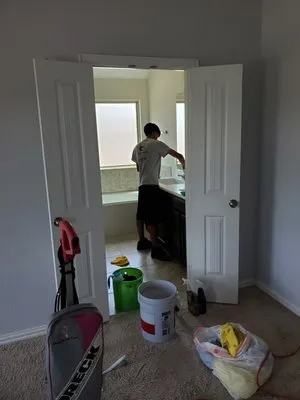
All In One Solution is a trusted local provider in Austin, TX, offering comprehensive exterior maintenance services including window washing, lawn care, and pressure washing. We understand that Austin...
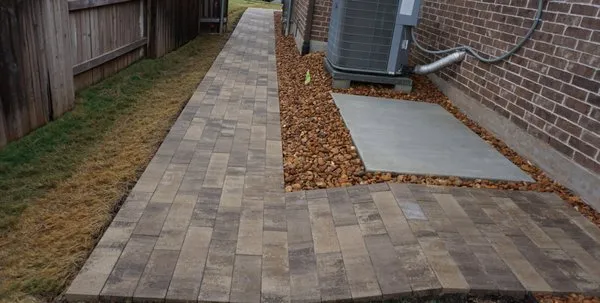
Rockview Landscapes
Rockview Landscapes is a licensed landscaping company in Bee Cave, TX, dedicated to transforming outdoor spaces. We provide comprehensive services including landscape design, construction, and mainten...
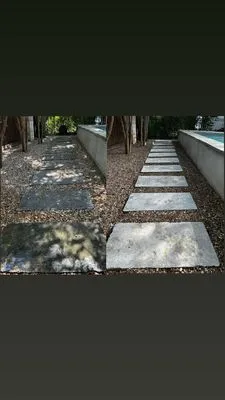
Andres Landscaping
Andres Landscaping is your trusted local expert in Austin, TX, specializing in comprehensive tree services, lawn care, and fence & gate solutions. We help Austin homeowners maintain beautiful, functio...
Estimated Landscaping Service Costs in Austin, TX
Q&A
We want to regrade our backyard for better drainage. What permits and contractor qualifications should we verify?
Grading on 0.22-acre Tarrytown lots requires Austin Development Services Department permits for any cut/fill exceeding 12 inches depth. Contractors must hold Texas Department of Licensing and Regulation landscape irrigation licenses for drainage system installation, plus commercial driver's licenses for equipment operation. The permit process includes soil erosion control plans and post-construction inspections to ensure compliance with municipal runoff management standards.
We're considering adding a patio but worry about fire risk and longevity. How does limestone compare to wood?
Permeable Leuders limestone provides non-combustible defensible space meeting WUI Zone 2 compliance requirements, unlike wood decking that requires 30-foot clearance. The material maintains structural integrity for 50+ years in Austin's climate with minimal maintenance, while its natural thermal mass reduces heat island effect. Proper installation with 4-inch compacted base creates stable surfaces that withstand vertisolic soil movement without cracking or heaving.
Our Tarrytown yard has poor drainage and compacted soil. Is this typical for homes built around 1991?
Yes, Tarrytown properties constructed in 1991 now have 35-year-old soil systems. Austin Chalk/Brackett Clay soils naturally develop hardpan layers over decades, reducing permeability to 0.5 inches per hour. Core aeration with 3-4 inch depth every 2 years introduces oxygen channels while compost amendments at 1/4-inch depth annually buffer the pH 7.8-8.2 alkalinity. This combination addresses the vertisolic expansion-contraction cycle that intensifies with soil maturity.
Our yard floods during heavy rains despite having some grading work. What solutions work with Austin's clay soil?
Vertisolic Brackett Clay exhibits 40-60% expansion-contraction, creating surface sealing that exacerbates runoff. Permeable Leuders limestone installations with 1/2-inch joint spacing achieve 5-10 inches per hour infiltration rates, meeting Austin Development Services Department's 80% runoff reduction standards for 0.22-acre lots. French drains should be installed 18-24 inches deep with washed gravel backfill to bypass the impermeable clay layer entirely.
We need emergency storm debris removal to meet HOA compliance deadlines. What's your fastest response time?
Our electric maintenance fleet dispatches from Zilker Metropolitan Park via Mopac Expressway, reaching Tarrytown properties in 35-50 minutes during peak conditions. We prioritize routes avoiding Barton Springs Road congestion while maintaining compliance with commercial leaf blower decibel limits. The response includes immediate debris assessment and follows Austin Development Services Department guidelines for vegetative waste handling on 0.22-acre lots.
We've spotted invasive species like Chinese privet spreading from neighboring properties. How do we treat them safely?
Chinese privet requires cut-stump treatment with 20% glyphosate applied within 30 minutes of cutting during dormancy periods. This timing avoids violating Austin's fertilizer ordinance phosphorus restrictions while preventing resprouting. For herbaceous invaders like King Ranch bluestem, targeted spot spraying in early spring before native emergence minimizes collateral damage. Always coordinate treatments with the City of Austin's invasive species management calendar.
How can we maintain healthy turf while following Austin's Stage 2 water restrictions?
Wi-Fi ET-based weather sensing controllers calculate evapotranspiration rates specific to Tarrytown's microclimate, adjusting irrigation to 0.75 inches weekly for TifTuf Bermuda or St. Augustine. These systems automatically skip cycles during rainfall events while maintaining soil moisture at 50-60% field capacity. This approach reduces water use 30-40% compared to traditional timers while preserving turf density through summer heat stress periods.
We want to reduce maintenance while preparing for tighter noise regulations. What native options replace high-input turf?
Transitioning to Texas Mountain Laurel, Turk's Cap, and Flame Acanthus communities eliminates weekly mowing while providing year-round visual interest. Little Bluestem and Lindheimer's Muhly grasses require only annual cutting with electric shears, staying ahead of gas-blower restrictions. These natives thrive in pH 7.8-8.2 soils with minimal irrigation, creating habitat corridors that support 2026 biodiversity targets for Central Texas ecosystems.
