Top Landscaping Services in Amarillo, TX, 79101 | Compare & Call
There are 189 landscaping companies server in Amarillo TX
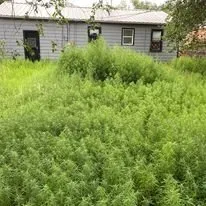
Potter County Mowing provides reliable lawn care services for Amarillo homeowners. We understand the local challenges of overgrown shrubs and unsightly dead patches that can detract from your property...

PR Property Management has been a trusted provider of commercial lawn services in Amarillo, TX, since 1995. We specialize in acreage mowing, parking lot maintenance, and striping for commercial, indus...
A-OK Lawn Care is a trusted local landscaping company serving Amarillo, TX homeowners. We specialize in diagnosing and solving common local landscaping problems like dying shrubs and persistent mulch ...
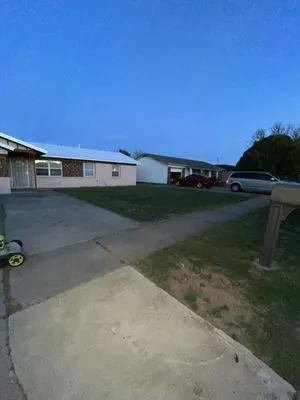
Jamal's Lawn Mowing is a trusted local lawn care provider serving Amarillo, TX homeowners. We specialize in comprehensive lawn care services designed to address common local landscaping challenges lik...
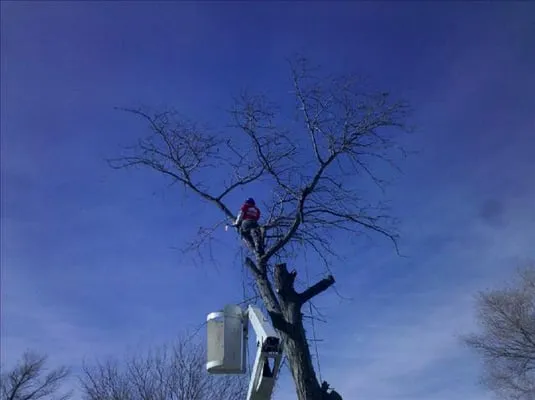
Discount Lawn & Tree is a trusted Amarillo-based provider of comprehensive outdoor solutions, specializing in tree care, landscaping, and irrigation services. With a focus on bringing nature's tranqui...
Yard Captain is a trusted landscaping, tree service, and irrigation company serving Amarillo, TX. We specialize in solving common local yard problems like standing water and tree root damage through c...
Creations Landscaping & Lawn Maintenance is a trusted, locally-owned company serving Amarillo, TX. We understand the specific challenges homeowners face in our region, including persistent lawn fungus...
Green Images Irrigation & Landscape is Amarillo's trusted partner for reliable lawn care and irrigation solutions. We specialize in diagnosing and repairing the common local problems that plague area ...

Amigos Compost is an organic compost provider in Amarillo, TX, dedicated to improving local soil health for gardens and lawns. We specialize in manure-based compost and custom topsoil blends, rich in ...

Obsessions Construction Group
Obsessions Construction Group is a locally owned and operated contractor in Amarillo, Texas, specializing in roofing, general contracting, and landscaping services. With a focus on kitchen remodeling ...
Estimated Landscaping Service Costs in Amarillo, TX
Questions and Answers
How can I maintain healthy turf while following Amarillo's water restrictions?
Stage 1 voluntary conservation measures work effectively with Wi-Fi ET-based weather sensing irrigation. This technology calculates evapotranspiration rates specific to Amarillo's climate, automatically adjusting watering schedules for Buffalograss or TifTuf Bermuda. The system delivers precise moisture based on real-time weather data, typically reducing water use 20-30% while maintaining turf health within municipal guidelines through targeted, efficient application.
Is native sandstone better than wood for patios in fire-prone areas?
Permeable native sandstone offers superior longevity and fire resistance compared to wood, with a 50+ year lifespan versus wood's 10-15 years in Amarillo's climate. Sandstone's non-combustible properties help maintain the 5-foot defensible space required in moderate Fire Wise zones, while its natural thermal mass moderates temperature extremes. The material's permeability also reduces runoff, complementing drainage solutions for calcareous soils without requiring chemical treatments that wood often needs.
How quickly can you respond to an emergency tree cleanup after a storm?
Emergency storm response typically requires 20-30 minutes during peak conditions from our central dispatch near the Don Harrington Discovery Center. Our route follows I-40 eastbound to Wolflin, allowing efficient access despite traffic. We maintain electric-powered equipment that operates within Amarillo's 10 PM to 7 AM noise ordinance restrictions, ensuring compliance while providing rapid debris removal for HOA or safety-critical situations.
Why does my Wolflin neighborhood soil seem so compacted and alkaline?
Amarillo's Wolflin area, with homes averaging 53 years old since 1973, has developed mature calcareous silty clay loam soil. This soil type naturally compacts over decades, reducing permeability and creating pH levels of 7.5-8.2 that limit nutrient availability. Core aeration every 2-3 years breaks up compaction layers, while incorporating 2-3 inches of composted organic matter annually helps buffer alkalinity and improve soil structure for better root development.
What invasive species threaten my landscape and how should I manage them?
Amarillo faces invasive risks from Russian thistle, field bindweed, and Johnsongrass that compete with natives in calcareous soils. Mechanical removal before seed set proves most effective, followed by targeted organic herbicides if needed. Since no fertilizer ordinance exists, follow Best Management Practices by avoiding nitrogen applications during summer heat stress periods, instead focusing on soil health through mycorrhizae inoculation to help natives outcompete invasives naturally.
What solutions prevent runoff and alkaline crusting in my clay soil?
Calcareous silty clay loam in Amarillo creates high runoff potential and surface crusting due to its alkaline composition. Installing permeable native sandstone hardscapes allows water infiltration at 5-10 inches per hour, meeting City of Amarillo Planning & Development Services runoff standards. Combining this with French drains and soil amendments that include gypsum helps break up crusting while directing water away from foundations through controlled permeability pathways.
What permits and licenses are needed for grading my 0.22-acre lot?
Grading work on 0.22-acre Wolflin properties requires a permit from City of Amarillo Planning & Development Services to ensure proper drainage and soil stability. Contractors must hold Texas Department of Licensing and Regulation certification for earthwork, as improper grading can create runoff violations or structural issues. Professional licensing ensures compliance with Amarillo's calcareous soil management standards, particularly important for properties with mature landscapes where soil disturbance affects established root systems.
Should I replace traditional turf with native plants to reduce maintenance?
Transitioning to Blue Grama, Sand Sagebrush, Indian Blanket, and Honey Mesquite creates climate-adaptive xeriscaping that requires 70-80% less water than conventional turf. These natives establish deep root systems that stabilize Amarillo's calcareous soil while providing habitat for local pollinators. This approach reduces mowing frequency and positions properties ahead of potential gas-blower restrictions under evolving noise ordinances, while supporting 2026 biodiversity standards.
