Top Landscaping Services in Whitwell, TN, 37397 | Compare & Call

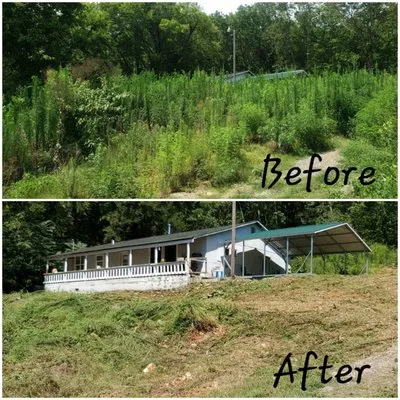
KS Outdoor Services is a trusted lawn care provider in Whitwell, TN, with over 20 years of experience. We offer professional and friendly services, including lawn care and pressure washing, and are fu...
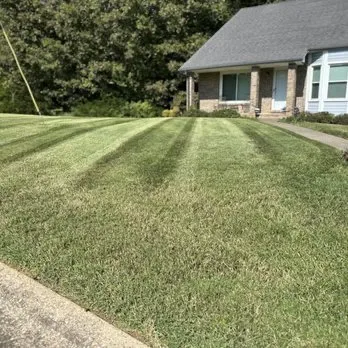
Scissom's Outdoor Services is a trusted landscaping partner for Whitwell homeowners, tackling the area's common yard drainage and sprinkler system challenges. We understand how local soil and terrain ...
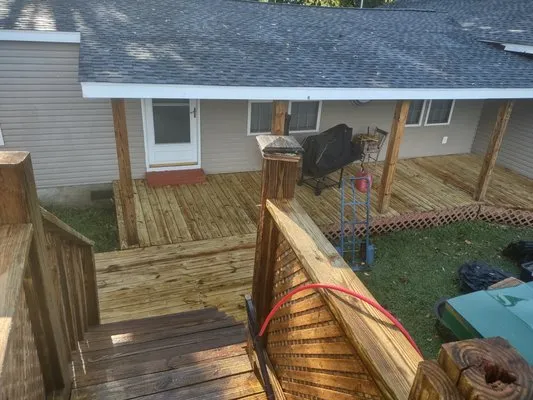
Mc Curry's Odd and Ends is your trusted local handyman and landscaping service in Whitwell, TN, specializing in pressure washing, landscaping, and comprehensive handyman solutions. We help Whitwell ho...

Tristar Lawn Masters is a family-owned lawn care and pressure washing business serving Whitwell, TN, and the surrounding area. We provide reliable, professional service for both residential and commer...

B&B Home Cosmetics is a locally owned and operated home services business serving Whitwell, TN, and the surrounding areas. Founded by Dylan and Tori Burns, lifelong residents of nearby Dunlap, the com...

L&M Lawn Care & More is your trusted local partner for a healthy, beautiful property in Whitwell, TN. We understand the common challenges homeowners face, from frustrating irrigation timer failures th...
Men II Mow is a trusted local landscaping company serving Whitwell, TN, and the surrounding Sequatchie Valley. We understand the specific challenges homeowners in our area face, from struggling shrubs...
Question Answers
Are sandstone pavers better than wood for Whitwell patios and walkways?
Sandstone pavers offer superior longevity and fire resistance compared to wood in Whitwell's climate. With proper installation on compacted gravel bases, sandstone withstands freeze-thaw cycles for 25+ years versus wood's 8-12 year lifespan. This material supports Moderate Fire Wise Rating (WUI Zone 2) compliance by creating defensible space without combustible materials near structures. Sandstone's natural thermal mass moderates temperature extremes while its permeability meets drainage requirements for clay soils, reducing runoff by 60-70% compared to concrete.
Why does my Downtown Whitwell yard have such poor drainage and compacted soil?
Properties in Downtown Whitwell built around 1975 have soils that are approximately 51 years old. Acidic silty clay loam (pH 5.5-6.2) naturally develops poor permeability over decades, especially in older neighborhoods where construction practices compacted subsoil layers. This soil type becomes saturated easily, reducing oxygen availability to roots. Core aeration combined with organic amendments like composted pine bark can improve soil structure and drainage while maintaining appropriate acidity for native plants.
What permits and licenses are needed for grading work on my 0.35-acre Whitwell property?
Grading projects exceeding 100 cubic yards of soil movement require Marion County Planning & Zoning permits, with specific requirements for erosion control on slopes over 15%. Contractors must hold Tennessee Department of Commerce and Insurance landscaping licenses for earthwork affecting drainage patterns. On 0.35-acre lots, professional licensing becomes crucial when modifying natural grade by more than 12 inches or working within 50 feet of property boundaries. Unlicensed grading can violate county ordinances and create liability for downstream flooding issues.
Should I replace some lawn areas with native plants to reduce maintenance?
Transitioning high-maintenance turf to native plantings like Eastern Redbud, Purple Coneflower, and Butterfly Milkweed reduces weekly mowing requirements and supports 2026 biodiversity standards. These deep-rooted natives require minimal irrigation once established and provide habitat for pollinators. This approach also reduces dependency on gas-powered equipment ahead of anticipated noise ordinance expansions targeting leaf blowers. A phased conversion of 30-50% lawn area can cut seasonal maintenance hours by 40% while enhancing ecological function.
What invasive species threaten Whitwell landscapes and how are they managed?
Japanese stiltgrass and Chinese privet present significant invasion risks in USDA Zone 7b. These species outcompete natives in acidic silty clay loam conditions. Management requires targeted herbicide applications during active growth periods, avoiding Tennessee BMP guideline blackout dates that restrict phosphorus applications without soil tests. Mechanical removal combined with pre-emergent treatments in early March prevents seed bank establishment. Always verify treatment timing against state guidelines to prevent ordinance violations while protecting desirable vegetation.
How do I maintain Tall Fescue turf during Stage 1 water restrictions in Whitwell?
Wi-Fi ET-based weather sensing irrigation systems automatically adjust watering schedules using real-time evapotranspiration data from local weather stations. This technology reduces water use by 20-40% compared to traditional timers while preserving Tall Fescue health. During Stage 1 restrictions, these systems stay within municipal limits by skipping cycles after rainfall and reducing runtime during cooler periods. Properly calibrated ET systems can maintain turf quality with just 1-1.5 inches of water weekly during peak summer months.
How quickly can you respond to an emergency tree cleanup after a storm in Whitwell?
Emergency storm response typically requires 20-30 minutes during peak conditions. Our dispatch routes from Whitwell City Park via TN-28 to access Downtown Whitwell neighborhoods efficiently. This timing accounts for debris clearance on secondary roads while complying with standard noise nuisance ordinances that prohibit nighttime operation. For HOA compliance issues requiring immediate attention, we prioritize same-day assessment to avoid violation notices.
What solutions exist for high runoff problems in Whitwell's clay soils?
Saturated clay soils in Whitwell require both surface and subsurface drainage strategies. Installing French drains with clean gravel and perforated pipe at 18-24 inch depths intercepts groundwater before saturation occurs. Surface solutions include permeable sandstone paver installations that meet Marion County Planning & Zoning runoff standards by allowing 4-8 inches per hour infiltration. Grading adjustments creating 2% slopes away from foundations, combined with rain gardens planted with native Switchgrass, can manage typical 1-inch storm events without overwhelming municipal systems.
