Top Landscaping Services in Smithville, TN, 37166 | Compare & Call
There are 35 landscaping companies server in Smithville TN
Mullins Lawn Care is a trusted, locally-owned lawn service dedicated to keeping Smithville, TN lawns healthy and beautiful. We specialize in comprehensive lawn care, including regular mowing, fertiliz...
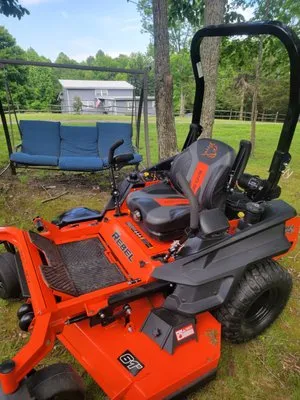
R&S Lawn Service is your trusted, local lawn care provider in Smithville, TN. We specialize in diagnosing and solving the common landscaping challenges faced by homeowners throughout our community. If...
At Keltunberg Nursery and Landscaping in Smithville, TN, our work is rooted in a lifelong dedication to the land. We’ve spent our entire lives mastering the craft, and that deep, practical knowledge i...
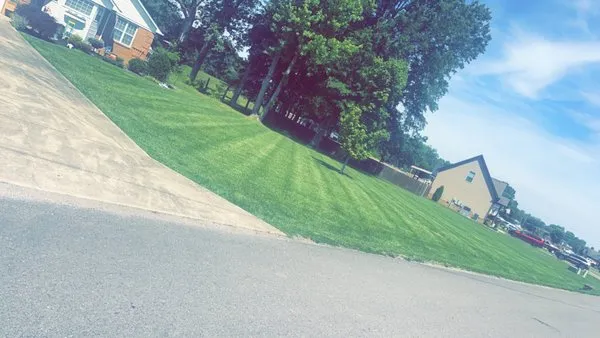
D&S Lawn Care Maintenance is a family-owned and operated lawn service business in Smithville, TN, dedicated to providing reliable and thorough lawn care for local residents. We treat every customer's ...

S&D Property Services is Smithville's trusted local partner for comprehensive lawn care. We understand the specific challenges homeowners in our community face, from persistent weeds taking over mulch...
Estimated Landscaping Service Costs in Smithville, TN
Q&A
What solutions work for yards with persistent standing water after rain?
Acidic silt loam with clay compaction creates moderate drainage hazards. Installing permeable Tennessee fieldstone pathways or patios allows water infiltration rather than runoff. These hardscapes meet Smithville Planning & Zoning Department standards by reducing surface flow. Combining this with French drains or dry creek beds addresses subsoil permeability issues effectively.
How quickly can you respond to an emergency tree cleanup after a storm?
Our emergency dispatch routes from the DeKalb County Courthouse via TN-56, reaching most Downtown Smithville locations within 20-30 minutes during peak conditions. This response time accounts for traffic and storm debris clearance. We prioritize HOA compliance and safety hazards, with crews equipped for immediate assessment and mitigation.
Is Tennessee fieldstone better than wood for patio materials in our climate?
Tennessee fieldstone offers superior longevity with minimal maintenance compared to wood, which decays in humid conditions. Its natural thermal mass moderates temperature extremes. In Smithville's Moderate Wildland-Urban Interface rating, stone provides defensible space by creating fire-resistant zones. Fieldstone also complements local geology without requiring chemical treatments.
How do I safely control invasive species without harming my garden?
Common invasive alerts in USDA Zone 7b include Japanese stiltgrass and Chinese privet. Manual removal before seed set is most effective, followed by targeted spot treatments if necessary. Always follow Tennessee's BMPs for nutrient management, avoiding applications during local runoff guidance blackout periods. This prevents chemical migration while protecting soil biology.
What permits and licenses are needed for regrading my 0.25-acre property?
Grading work exceeding minor soil movement requires a permit from Smithville Planning & Zoning Department to ensure proper drainage and erosion control. Contractors must hold appropriate licensing through the Tennessee Department of Commerce and Insurance. On 0.25-acre lots, even modest grading can impact watersheds, making professional oversight essential for regulatory compliance.
How can I maintain Tall Fescue turf without wasting water during dry periods?
Wi-Fi ET-based weather sensing irrigation calculates evapotranspiration rates to apply precise water amounts. This technology adjusts schedules based on real-time weather data, preventing overwatering while preserving turf health. Smithville currently has no water restrictions, but this system ensures compliance with potential future municipal limits by optimizing every gallon.
Should I replace some lawn areas with native plants to reduce maintenance?
Transitioning from high-maintenance turf to native species like Purple Coneflower, Butterfly Weed, and Little Bluestem significantly reduces water, mowing, and fertilization needs. This xeriscaping approach stays ahead of potential gas-blower restrictions under Smithville's noise ordinance. Native plants also support local pollinators and require no chemical inputs once established.
Why does my Downtown Smithville yard have such compacted soil that struggles to drain?
Properties built around 1973 have soil that has matured for over 50 years. Downtown Smithville's acidic silt loam naturally compacts over decades, especially with clay subsoil layers. This reduces permeability and creates moderate runoff issues. Core aeration and adding organic compost can restore soil structure by improving pore space and microbial activity.
