Top Landscaping Services in Sewanee, TN, 37375 | Compare & Call
There are 86 landscaping companies server in Sewanee TN

Chris's Lawn Care Plus is a trusted local lawn service provider in Huntland, TN, dedicated to keeping your yard healthy and vibrant. We specialize in comprehensive lawn care, including aeration to com...
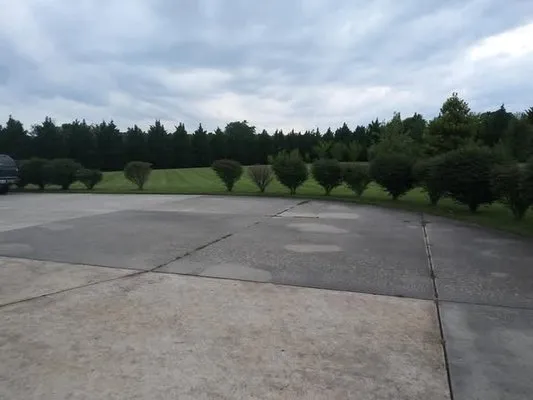
Clarks Pro Lawn & Landscape is a veteran-owned and operated lawn care service based in Winchester, TN, dedicated to providing reliable and affordable lawn maintenance for local residents. With a focus...

James Taylor's Lawn Service in Jasper, TN provides professional lawn care solutions tailored to the specific needs of local homeowners. We specialize in addressing common Jasper landscaping challenges...
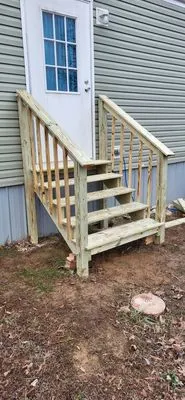
L&L Handyman Service in Hillsboro, TN is a locally owned and operated business dedicated to providing reliable home maintenance and improvement solutions. With a focus on integrity and customer satisf...
Sunrise Lawn Care has been a trusted provider of lawn and property maintenance services for Tracy City, TN residents since 1980. We specialize in lawn care, snow removal, and pressure washing, helping...
Eagle Mowing is a trusted lawn care provider serving Monteagle, TN, dedicated to maintaining healthy, vibrant lawns for local homeowners. We specialize in comprehensive lawn care services that directl...
Wallace and Sons Lawn Care and Light Tree Service is a trusted, family-owned business serving Cowan, TN, and surrounding areas. We specialize in comprehensive lawn care and professional tree services,...
Damian s Landscaping Detailing Vehicles And Cleaning House's
Damian's Landscaping Detailing Vehicles And Cleaning House's in Cowan, TN, is your local multi-service solution for auto detailing, home cleaning, and landscaping. We understand Cowan homeowners face ...
Long's Lawn Service is Monteagle's trusted partner for healthy, resilient lawns. We understand the local challenges homeowners face, from costly sprinkler leaks that waste water to unsightly and damag...

BearTree is a trusted general contractor in Sewanee, TN, specializing in decks, railing, and comprehensive landscaping services. We help Sewanee homeowners transform their properties with expert artif...
Estimated Landscaping Service Costs in Sewanee, TN
FAQs
Why does my University Heights yard have such poor drainage and compacted soil?
Sewanee's University Heights neighborhood was developed around 1967, giving the soil approximately 59 years to mature. The acidic Hartsells-Cosby Sandy Loam (pH 5.5-6.0) common here tends to compact over decades, reducing permeability and root penetration. Core aeration every 2-3 years with organic amendments like composted leaf mold addresses this by improving soil structure and microbial activity. This approach enhances water infiltration while maintaining the acidic conditions favored by native species like Flowering Dogwood.
What's the best solution for runoff problems in my karst topography yard?
Sewanee's karst topography with sinkhole vulnerability requires permeable solutions that meet Franklin County Planning & Zoning Department standards. Sandstone flagstone installations with ½-inch joints filled with angular gravel create permeable surfaces that reduce runoff by 40-60%. This approach allows water to infiltrate the acidic sandy loam rather than contributing to erosion or subsurface instability. Proper grading toward designated infiltration areas further minimizes drainage hazards.
What permits and licenses are needed for grading my half-acre lot?
Grading a 0.50-acre property in Sewanee requires both Franklin County Planning & Zoning Department permits and a licensed contractor from the Tennessee Department of Commerce and Insurance Board for Licensing Contractors. The permit ensures compliance with erosion control and runoff management standards specific to karst topography. Professional licensing guarantees proper bonding, insurance, and adherence to state grading specifications. Unlicensed grading risks fines and may void property insurance in drainage-related claims.
How quickly can you respond to an emergency tree cleanup after a storm?
Our emergency dispatch from All Saints' Chapel via US-41A reaches University Heights within 20-30 minutes during peak conditions. We maintain electric chainsaws and chippers to comply with Sewanee's standard noise limits while providing rapid response. This electric fleet allows immediate deployment without violating residential noise ordinances, ensuring HOA compliance for storm debris removal. Our priority is securing hazardous limbs before addressing aesthetic cleanup.
Is sandstone flagstone better than wood for patio construction?
Sandstone flagstone outperforms wood in longevity and fire safety, with a 50+ year lifespan versus wood's 10-15 years. Its non-combustible nature supports Moderate Fire Wise WUI Zone 2 compliance by creating defensible space around structures. The material's thermal mass moderates temperature extremes while requiring zero chemical treatments. Properly installed sandstone requires minimal maintenance compared to wood's annual sealing needs.
How do I control invasive species without violating fertilizer regulations?
Japanese stiltgrass and Chinese privet pose significant threats in Sewanee's acidic soils. Manual removal before seed set in late summer avoids the need for chemical treatments during fertilizer ordinance blackout periods. For persistent infestations, targeted spot applications using glyphosate alternatives in early fall comply with state BMP guidelines prohibiting application on frozen or saturated ground. Always verify treatment timing against local restriction calendars.
Can I maintain Tall Fescue turf while conserving water in Sewanee?
Wi-Fi ET-based weather sensing irrigation systems optimize Tall Fescue health within Stage 0 water restrictions. These controllers adjust watering schedules daily based on evapotranspiration data, reducing consumption by 20-30% compared to traditional timers. The system accounts for Sewanee's specific microclimate, applying water only when soil moisture sensors indicate need. This technology preserves turf quality while staying well below municipal water allocation limits.
Should I replace high-maintenance turf with native plants?
Transitioning from Tall Fescue to Purple Coneflower, Butterfly Milkweed, and Little Bluestem reduces maintenance by 70% while supporting 2026 biodiversity standards. These natives require no gas-powered blowers, aligning with evolving noise ordinance trends toward electric equipment. Established native plantings need only seasonal attention rather than weekly mowing, creating habitat for pollinators while conserving water. This approach future-proofs landscapes against potential gas equipment restrictions.
