Top Landscaping Services in Red Boiling Springs, TN, 37150 | Compare & Call

D R M Landscape Supply
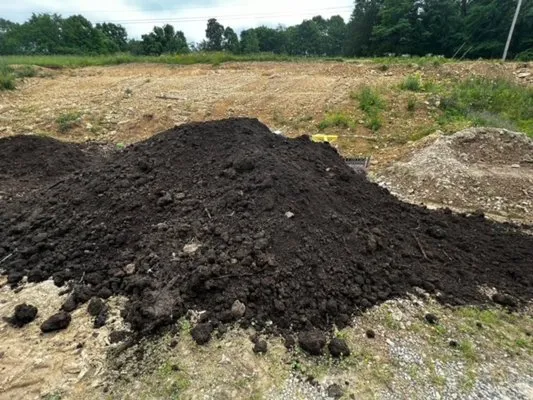
D R M Landscape Supply is your trusted local partner for landscaping and excavation in Red Boiling Springs, TN. We specialize in tackling the common local challenges of soil compaction and bare lawn p...
A to Z Home and Property Maintenance
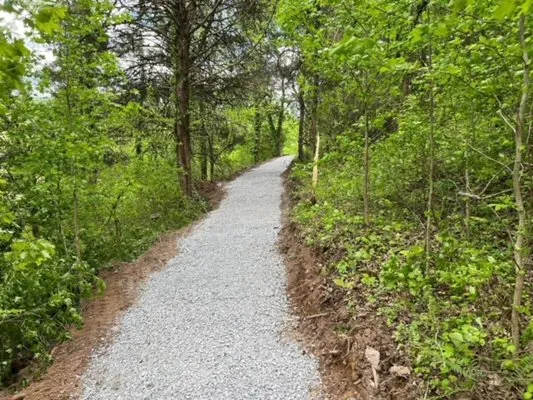
A to Z Home and Property Maintenance is your trusted local partner for comprehensive property care in Red Boiling Springs, TN. We specialize in landscaping, excavation, and foundation repair services ...

Jacks Lawn Care is a trusted local lawn service provider in Red Boiling Springs, TN, specializing in comprehensive lawn care solutions. Many homeowners in the area face common landscaping challenges l...
Dnk Home & Lawncare is your trusted local partner in Red Boiling Springs, TN, offering reliable lawn care and handyman services to keep your property looking its best. We understand the common local c...
Common Questions
We're adding a patio. Is wood or stone better for longevity and safety here?
For longevity and fire resilience, natural flagstone and crushed limestone are superior to wood. These materials are inert, do not rot, and provide a permanent, low-maintenance surface. In Red Boiling Springs' Moderate Wildland-Urban Interface rating, using non-combustible hardscapes for patios and pathways contributes to defensible space, a key principle for reducing fire risk to structures. Stone also better handles the freeze-thaw cycles of our climate.
We're regrading our sloped 0.35-acre lot. Do we need a permit, and what kind of contractor should we hire?
Significant regrading on a 0.35-acre lot often requires a permit from the Macon County Planning & Zoning Department to ensure compliance with erosion control and stormwater regulations. This work must be performed by a contractor licensed by the Tennessee Department of Commerce and Insurance - Board for Licensing Contractors. Hiring a licensed professional guarantees proper execution, liability coverage, and that the work meets all state and local codes for earth disturbance.
I want a green lawn but don't want to waste water. What's the smartest system for our area?
Despite no current water restrictions, using Smart Wi-Fi Controllers with soil moisture sensors is the most efficient method. These systems apply water based on actual evapotranspiration (ET) and root-zone saturation data, not a fixed schedule. This prevents overwatering Kentucky-31 Tall Fescue, which can lead to fungal issues in our humid climate and subsoil clay layers. This technology conserves municipal water and maintains turf health proactively.
A storm blew through and we need debris cleared fast for an HOA inspection. How quickly can a crew get here?
For an emergency cleanup, a dispatched crew routing from the Thomas House Hotel via TN-52 can typically arrive within the 45-60 minute peak storm response window. We prioritize these compliance calls to operate within the standard noise ordinance hours of 7:00 AM to 9:00 PM. The focus is on rapid debris removal and site safety, with follow-up work scheduled for any required restorative grading or replanting.
Weird vines are choking our shrubs. How do we get rid of them without harming everything else?
Invasive species like English Ivy or Wintercreeper are a persistent threat. Manual removal is most effective for small infestations. For larger problems, targeted herbicide application by a licensed professional is necessary, strictly following State BMPs for nutrient management to protect waterways. Timing is critical to avoid local runoff guidance blackout dates, typically during peak spring rains. Always identify the species first to ensure proper treatment.
Our yard holds water after every rain. What's a permanent fix that won't look ugly?
Moderate runoff is common in lots with acidic silt loam over a clay subsoil, which saturates quickly. A functional solution involves creating shallow, vegetated swales to channel water and replacing impervious surfaces with permeable materials like crushed limestone. Natural flagstone set in a gravel base also allows infiltration. These approaches manage stormwater on-site and typically meet Macon County Planning & Zoning Department runoff standards without the need for unsightly plastic drains.
I'm tired of weekly mowing and gas blowers. Are there quieter, lower-maintenance options?
Transitioning high-input turf areas to a planting of Eastern Redbud, Switchgrass, Purple Coneflower, and Butterfly Milkweed significantly reduces maintenance. These natives are adapted to Zone 7a and acidic soils, requiring no fertilizer, less water, and no weekly mowing. This shift supports local biodiversity and aligns with the industry's move toward electric maintenance fleets, reducing noise and emissions well ahead of potential future gas-blower restrictions.
Our yard is spongy and thin. The neighbor says all the soil here is old and tired. What's really going on?
Properties in Downtown Red Boiling Springs, developed around 1977, have soils with nearly 50 years of maturity. The prevalent acidic silt loam becomes compacted over decades, reducing pore space for air and water. This leads to poor percolation, creating that spongy feel and inhibiting root growth for turf like Kentucky-31 Tall Fescue. Correcting this requires core aeration and incorporating composted organic matter to rebuild soil structure and biological activity.
