Top Landscaping Services in Pulaski, TN, 38478 | Compare & Call

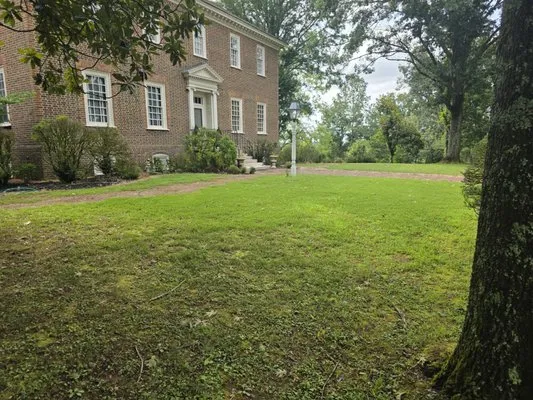
New Era Lawn Care & Irrigation Services
New Era Lawn Care & Irrigation Services is a trusted, local provider in Pulaski, TN, dedicated to solving common regional landscaping challenges. We specialize in comprehensive lawn care and irrigatio...

The Grass Commander in Pulaski, TN is your local expert for comprehensive lawn care, fencing, and handyman solutions. We understand the unique challenges Pulaski homeowners face, such as uneven sprink...
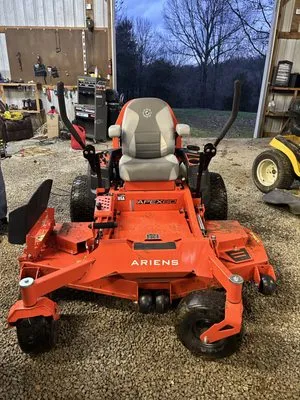
R & S Lawn Patrol is a trusted lawn care provider serving Pulaski, TN, dedicated to keeping local properties looking their best. We specialize in comprehensive lawn care services, including mowing, tr...
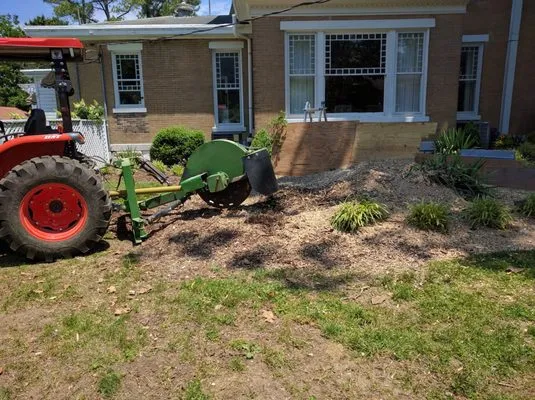
Walter's Stump Solutions is a locally owned and operated tree service based in Pulaski, TN. Founded in 2016 by Walter, a former factory worker who sought a refreshing change of pace, the business has ...
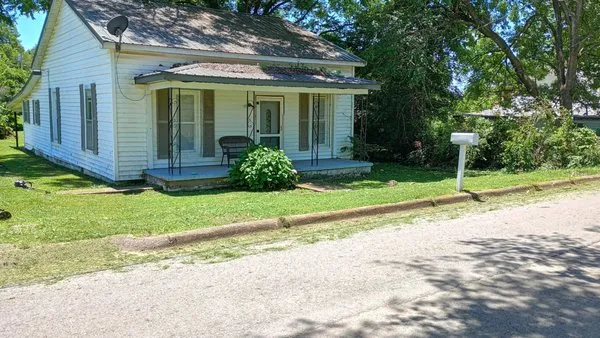
Leelands Lawn And Landscaping Services is a trusted local provider in Pulaski, TN, specializing in comprehensive lawn care solutions. Many homes in the area face common landscaping challenges like wee...

A-Plus Groundworks is your trusted local expert for landscaping and damage restoration in Pulaski, TN. We specialize in diagnosing and repairing common local issues like damaged landscape edging and d...

Walls Landscaping And Lawn Care serves Pulaski, TN, by addressing common local yard challenges like soil compaction and poor lawn grading. Their expert team provides comprehensive services to improve ...
Clean & Green Lawn Care is a trusted local lawn service provider in Pulaski, TN, dedicated to helping homeowners achieve and maintain healthy, vibrant lawns. We specialize in comprehensive lawn care s...
G&A's Lawncare is a trusted local lawn service provider in Pulaski, TN, specializing in comprehensive lawn care solutions tailored to the area's specific needs. We understand that Pulaski homeowners f...

Tennessee Trimmers Landscaping is a full-service landscaping company serving Pulaski, TN, and surrounding areas. We specialize in both residential and commercial landscaping, offering comprehensive se...
Questions and Answers
Should I replace some lawn areas with native plants to reduce maintenance costs?
Transitioning high-maintenance turf to Purple Coneflower, Eastern Redbud, Switchgrass, and Butterfly Weed plantings reduces mowing frequency by 30-40% annually. These natives thrive in Pulaski's acidic silt loam without supplemental fertilization, creating habitat corridors that support 2026 biodiversity standards. This approach also minimizes gas-powered equipment use, positioning properties ahead of potential electric-only maintenance mandates in historic districts.
How do I maintain Tall Fescue turf during Pulaski's dry periods without violating water restrictions?
Wi-Fi ET-based weather sensing irrigation systems calculate evapotranspiration rates specific to Pulaski's USDA Zone 7b conditions. These systems automatically adjust watering schedules based on real-time weather data, applying precisely 1-1.5 inches weekly during active growth periods. This technology maintains Tall Fescue health while staying well within municipal water allocation limits, even during normal operations periods when restrictions aren't formally activated.
What's the best solution for seasonal saturation in my yard's acidic silt loam soil?
Moderate runoff in acidic silt loam requires French drain systems with clean gravel and perforated pipe installed 18-24 inches deep. Tennessee sandstone pavers arranged with permeable joints create additional surface water infiltration points. This combined approach meets Pulaski Planning & Zoning Department runoff standards by redirecting water from foundation areas while maintaining soil structure through improved percolation rates.
What permits and licenses are needed for regrading my 0.25-acre property?
Grading projects altering more than 100 cubic yards of soil require Pulaski Planning & Zoning Department approval with engineered drainage plans. Contractors must hold Tennessee Department of Commerce and Insurance licensing for earthwork exceeding $25,000 in value. This ensures proper sediment control during construction and long-term stability of modified slopes on standard quarter-acre lots in the historic district.
What invasive species should I watch for in Pulaski and how do I treat them safely?
Japanese stiltgrass and Chinese privet present the highest invasive risks in Giles County, particularly in established landscapes. Manual removal before seed set combined with targeted glyphosate applications during active growth phases provides effective control. These methods comply with Tennessee BMP guidelines when applied outside of recommended blackout dates, avoiding phosphorus runoff while preserving soil mycorrhizae networks.
How quickly can you respond to an emergency tree cleanup after a storm in Pulaski?
Emergency storm response from our Giles County Courthouse dispatch point reaches Downtown Historic District properties within 15-20 minutes during peak conditions. The route follows US-31 with established protocols for navigating post-storm debris while maintaining standard decibel compliance. This timing ensures HOA compliance deadlines can be met for fallen limb removal and property safety restoration without violating local noise ordinances.
Why choose Tennessee sandstone over wood for patio materials in our area?
Tennessee sandstone pavers offer 50+ year durability compared to wood's 15-20 year lifespan in Pulaski's climate. The material's natural thermal mass moderates temperature extremes while providing non-combustible defensible space important even in low Firewise rating zones. Properly installed sandstone requires minimal maintenance and integrates seamlessly with native plantings, creating sustainable outdoor living spaces that withstand freeze-thaw cycles.
Why does my Downtown Historic District yard have such compacted soil that needs annual aeration?
Pulaski's Downtown Historic District properties average 51 years of development since 1975, creating mature but compacted acidic silt loam soil. Decades of foot traffic and traditional maintenance have reduced soil permeability below optimal levels for root development. Core aeration every 2-3 years introduces oxygen channels while organic amendments like composted leaf mold address the pH 6.2 acidity. This combination improves water infiltration and supports microbial activity in established landscapes.
