Top Landscaping Services in Newport, TN, 37821 | Compare & Call


Shoemaker Landscaping & Fencing
Shoemaker Landscaping & Fencing has been a trusted name in Newport, TN, and across East Tennessee since 1982. As a family-owned and operated business, we specialize in creating and maintaining beautif...
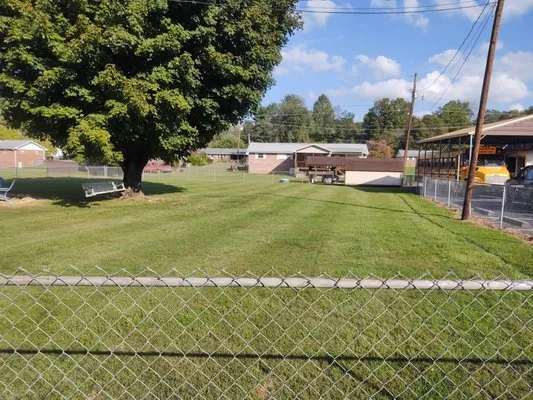
Newport Lawn and Landscaping is a trusted local provider serving Newport, TN, with comprehensive lawn and tree care solutions. We specialize in gardening, lawn maintenance, tree pruning, removal, and ...

B & D Lawn Care & Landscaping is a trusted local landscaping company serving Newport, TN, and the surrounding areas. We specialize in comprehensive lawn and landscape solutions designed to address com...
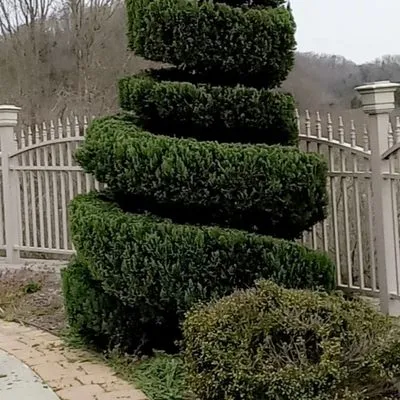
Barrington Landscaping
Barrington Landscaping is a trusted Newport, TN provider specializing in comprehensive landscape solutions. We offer landscape construction, design, and maintenance services, including greenscape cons...

Burnett Excavating, Grading and Landscaping
Burnett Excavating, Grading and Landscaping is a trusted local contractor serving Newport, TN, and the surrounding areas. With over 20 years of hands-on experience, we specialize in excavation, demoli...
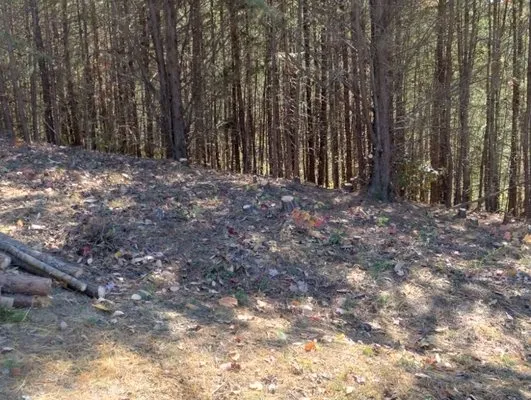
With two decades of experience, ANA Lawn Care brings a deep, practical knowledge of lawn care to every job in Newport, TN. This is more than a business; it's a local service built on a genuine passion...

McDuffy's Lawn & Pest is a veteran-owned and family-operated business with deep roots in lawn care and pest management, serving Newport, Morristown, and the surrounding East Tennessee communities for ...

Worrell Landscaping & Home Improvement is a trusted local landscaping company serving Newport, TN, and the surrounding areas. We specialize in comprehensive lawn and shrub care, including irrigation r...
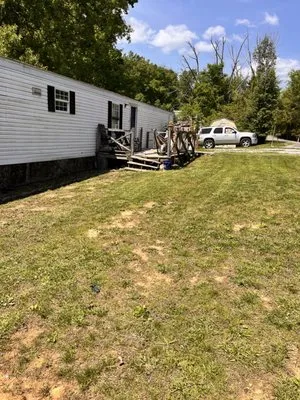
Woods & Son Landscaping and Home Improvement is a Newport, TN business built on family, heart, and hard work. Founded in October 2024 by Holden Woods, a recent Cocke County High School graduate, the c...

Elite Lawn Care and Pressure Washing provides reliable lawn and exterior cleaning services for homeowners in Newport, TN, and the greater Knoxville area. We focus on straightforward, effective solutio...
Common Questions
How should I manage invasive Japanese stiltgrass without violating fertilizer regulations?
Japanese stiltgrass (Microstegium vimineum) presents significant establishment risks in Newport's acidic soils, particularly during March mulching season when seeds germinate. Manual removal before seed set in late August, followed by pre-emergent corn gluten application, provides effective control without phosphorus inputs near riparian zones. Always verify State BMP compliance windows for herbicide applications, typically avoiding periods when soil temperatures exceed 85°F. Establishing competitive native groundcovers like Pennsylvania sedge creates biological barriers that reduce reinfestation rates by 60-70%.
Why does my Downtown Newport yard have such compacted, acidic soil that struggles to support healthy turf?
Newport properties built around 1975 have soil that has matured for approximately 51 years, developing the acidic silt loam profile typical of this region's Ultisols. Decades of construction compaction and minimal organic amendment have reduced permeability, creating clay-heavy subsoil layers that restrict root growth and water infiltration. Core aeration combined with compost applications at 0.5-1 inch depth can improve soil structure by increasing pore space and microbial activity. Regular soil testing every 2-3 years helps maintain optimal pH between 5.8-6.2 for Tall Fescue establishment.
How can I maintain healthy Tall Fescue turf while conserving water during Newport's dry periods?
Smart Wi-Fi soil moisture sensor controllers optimize irrigation by monitoring real-time ET rates and soil conditions at 4-6 inch depths. These systems apply 0.75-1 inch of water weekly during active growth periods, adjusting automatically for rainfall events. Despite current normal water restriction status, this technology reduces consumption 30-40% compared to traditional timer-based systems. Deep, infrequent watering encourages root development to 8-10 inches, improving drought tolerance while maintaining municipal compliance.
What low-maintenance native alternatives can replace high-input turf areas?
Transitioning 25-40% of turf to native plantings like Eastern Redbud, Purple Coneflower, and Butterfly Weed reduces mowing frequency and gas-powered equipment use. These species establish deep root systems (3-6 feet) that improve soil structure and require minimal irrigation once established. Native plant communities support 3-5 times more pollinator species than monoculture turf, aligning with 2026 biodiversity standards. This approach anticipates potential gas-blower restrictions while creating self-sustaining landscapes that thrive in Zone 7a conditions.
How quickly can you respond to an emergency tree cleanup after a storm to meet HOA compliance deadlines?
Emergency storm response from Newport City Park via I-40 typically requires 20-30 minutes during peak traffic conditions. Our electric maintenance fleet operates within standard decibel limits, allowing early morning or late evening work windows to meet 72-hour HOA debris removal requirements. We prioritize safety assessments first, then implement systematic debris processing with chipping on-site to minimize hauling trips. This approach maintains neighborhood aesthetics while addressing immediate hazard mitigation needs.
What solutions address moderate runoff issues in my clay-heavy Newport yard?
Clay-heavy subsoil compaction in acidic silt loam creates surface runoff that exceeds Newport Planning and Zoning Department standards. Installing French drains with clean crushed Tennessee River stone (1-1.5 inch diameter) provides 40% void space for water storage and gradual infiltration. Grading slopes at 2% minimum away from foundations directs water toward rain gardens planted with Switchgrass, which can absorb 30% more runoff than turf. Permeable paver installations in high-traffic areas further reduce impervious surfaces while meeting local runoff management requirements.
What licensing and permits are required for regrading my 0.25-acre Newport property?
Grading work exceeding 50 cubic yards of soil movement requires a permit from Newport Planning and Zoning Department, with engineered plans for slopes over 15%. Contractors must hold active licensing through Tennessee Department of Commerce and Insurance - Board for Licensing Contractors, specifically classification for excavation and grading. On 0.25-acre lots, professional oversight ensures proper compaction testing (95% Proctor density) and erosion control measures that prevent sediment runoff into storm systems. Unlicensed grading risks fines up to $5,000 and mandatory restoration at owner expense.
Why choose crushed Tennessee River stone over wood for durable, fire-resistant hardscaping?
Crushed Tennessee River stone offers superior longevity with minimal maintenance compared to wood, which requires replacement every 8-12 years in Newport's humid climate. This material maintains structural integrity for 25+ years while providing excellent drainage through its angular fractured surfaces. For properties in Moderate WUI Zone 2, stone hardscapes create defensible space by eliminating combustible materials within 30 feet of structures. The natural coloration blends with regional aesthetics while reducing heat island effect through higher albedo compared to dark pavers.
