Top Landscaping Services in Nashville, TN, 37011 | Compare & Call
There are 215 landscaping companies server in Nashville TN
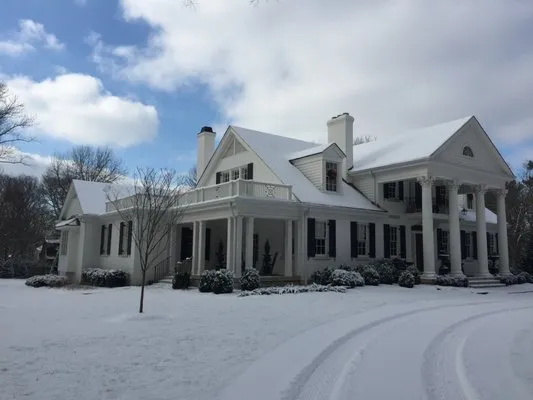
Darren Bishop Landscape-Design
Darren Bishop Landscape-Design is a licensed landscape design firm serving Nashville, TN, and surrounding Davidson and Williamson counties. Specializing in residential projects, we offer comprehensive...
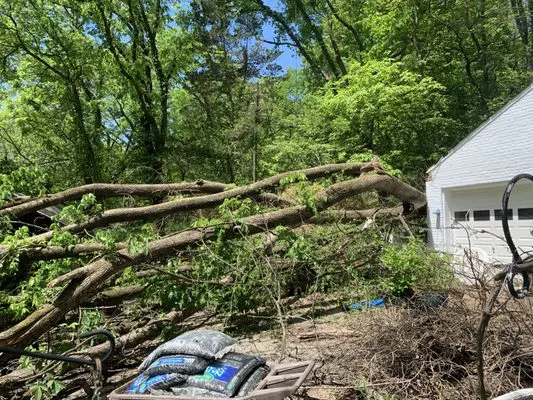
Keep it Clean Tree Service is your trusted local partner for maintaining the health and beauty of your Nashville property. Based in Antioch and serving the Greater Nashville area, our team specializes...
Prestige Landscape Company has been serving the Nashville area, including Burns, TN, since 2011, founded by Cole to provide reliable landscaping solutions. We specialize in comprehensive landscape des...

White House Lawn & Landscape
White House Lawn & Landscape is a locally owned and operated business serving White House, TN, with over 18 years of experience transforming outdoor spaces. Founded by Cody Joe, who gives credit to hi...
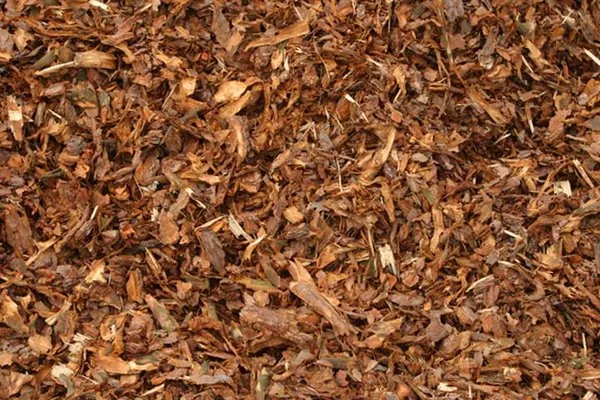
Pope's Mulch, Dirt & Sand
Pope's Mulch, Dirt & Sand is a family-owned and operated business serving La Vergne, Murfreesboro, and Middle Tennessee since 1987. We specialize in providing premium landscaping and construction mate...
Rivera Landscaping is a trusted Nashville-based landscaping company dedicated to enhancing outdoor spaces across Middle Tennessee. We specialize in addressing common local challenges, particularly sto...
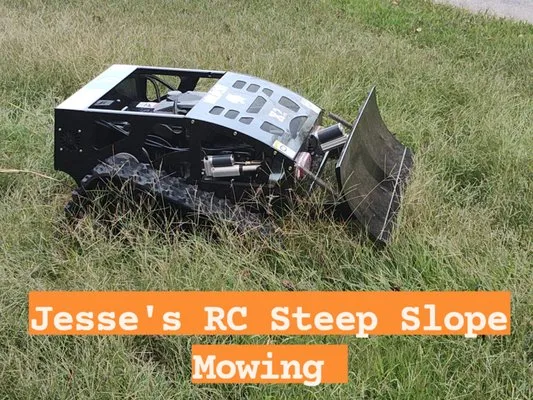
Jesse's RC Steep Slope Mowing is a Nashville-based lawn care service that brings specialized solutions to challenging outdoor maintenance. We operate a remote-controlled robotic mower, designed to saf...
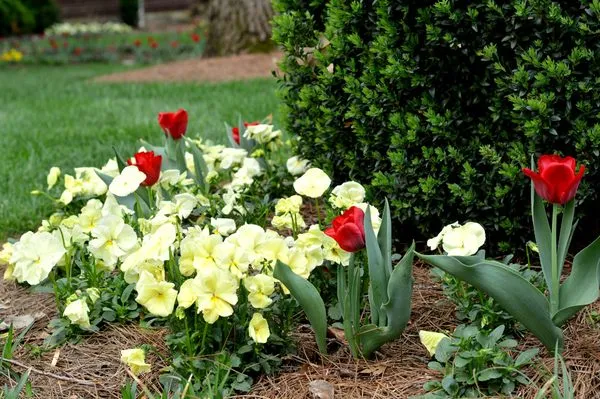
Goodin Lawncare is a Nashville-area, family-owned business founded in 2003 by Nathan Goodin, who has over two decades of experience in the landscape industry. Raised in Franklin and now living in Nash...
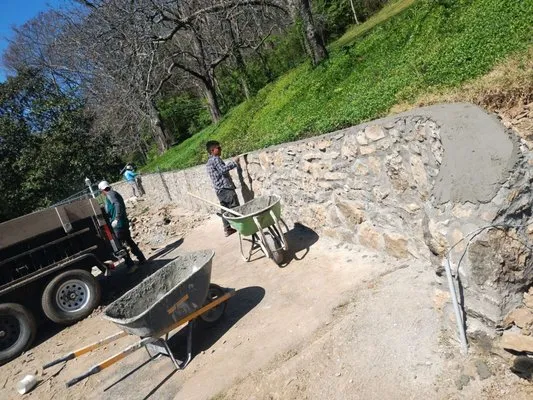
For over 20 years, Cardenas Hard Landscaping Services has been a trusted, family-owned and operated business serving Nashville. Founded and run by Frederico, the company brings a hands-on approach to ...
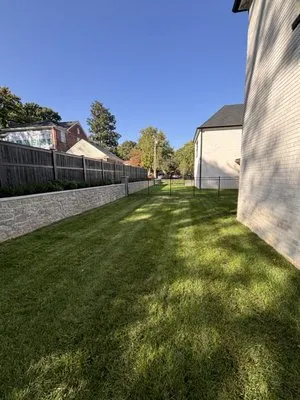
Peros Touch Ups is a Nashville-based lawn service dedicated to keeping local lawns healthy and vibrant. We understand that many Nashville homeowners face common landscaping challenges, especially with...
Estimated Landscaping Service Costs in Nashville, TN
Question Answers
What permits and contractor qualifications are needed for regrading my quarter-acre lot?
Significant regrading that alters water flow or involves retaining walls over four feet typically requires a permit from the Metro Nashville Planning Department. You must hire a contractor licensed by the Tennessee Department of Commerce and Insurance for this work, as it involves specialized knowledge of soil mechanics and local drainage codes to prevent downstream erosion or structural issues.
How quickly can you respond for an emergency storm cleanup to meet an HOA deadline?
Our dispatch for Green Hills routes from our operational hub near Centennial Park directly via I-65, targeting a 45-60 minute arrival during peak conditions. We coordinate with Metro Nashville’s storm debris protocols and prioritize electric equipment to comply with the 7:00 AM noise ordinance start time, ensuring efficient, compliant service for urgent landscape restoration.
My yard floods after heavy rain; what's a lasting solution for my property's runoff?
High runoff in Nashville is typically caused by the region's compacted clay subsoil beneath the silt loam. Installing a French drain system or using permeable Tennessee fieldstone for patios and walkways can redirect surface water and increase ground infiltration. These methods often meet the Metro Nashville Planning Department's updated stormwater management standards for residential lots.
Is Tennessee fieldstone a better choice than wood for a new patio in terms of longevity and safety?
Yes, Tennessee fieldstone offers superior longevity with minimal maintenance compared to wood, which requires regular sealing and is susceptible to rot. From a fire safety perspective, stone is a non-combustible material that contributes to defensible space, an important consideration for maintaining compliance with Nashville's Moderate Urban Interface fire-wise rating for properties near wooded areas.
Why does my yard in Green Hills have such poor drainage and compacted soil?
Your property, like most in Nashville’s older neighborhoods, sits on acidic silt loam that has developed over 42 years since the average 1984 build date. This extended timeline without major soil amendment has allowed a dense, impermeable clay subsoil layer to form. Core aeration paired with incorporating organic compost is essential to improve soil structure and water percolation for healthy root zones.
I've spotted invasive vines; how should I handle them without harming my garden?
For common invasives like English Ivy or Wintercreeper, manual removal is most effective. If chemical treatment is necessary for extensive infestations, a targeted, systemic herbicide applied in fall is standard. This timing avoids spring nutrient cycles and complies with Metro’s ordinance prohibiting phosphorus application on established lawns without a current soil test result.
How can I keep my Tall Fescue lawn healthy during Nashville's dry spells without wasting water?
Wi-Fi ET-based irrigation systems are calibrated using local evapotranspiration data to apply water only when and where your Tall Fescue needs it, aligning with voluntary conservation recommendations. This technology prevents overwatering by adjusting schedules based on real-time weather, maintaining soil moisture at optimal levels while significantly reducing municipal water use compared to traditional timer-based systems.
What are low-maintenance alternatives to my high-input lawn that support local wildlife?
Transitioning sections of turf to a planting of Purple Coneflower, Butterfly Weed, and Little Bluestem reduces weekly mowing, eliminates the need for gas-powered blowers affected by noise ordinances, and provides critical habitat. This native plant community is adapted to Zone 7b, requires minimal irrigation once established, and directly contributes to 2026 urban biodiversity targets.
