Top Landscaping Services in Mount Pleasant, TN, 38401 | Compare & Call
There are 171 landscaping companies server in Mount Pleasant TN
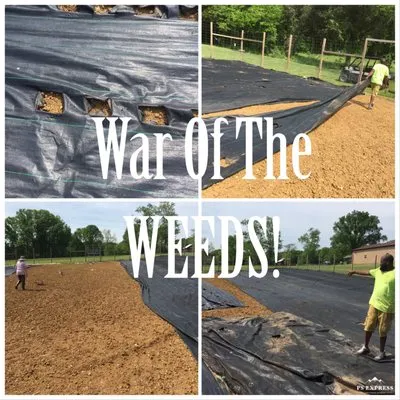
Mountain Movers is a family-owned landscaping, painting, and pressure washing company serving Franklin, TN since 2013. We specialize in comprehensive outdoor and indoor projects, from landscape design...
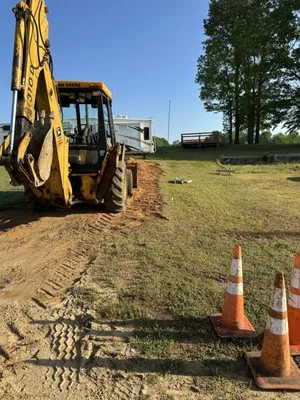
Freebird Services is a Lewisburg-based outdoor care company founded in 2001 by owner-operator Timothy Beck. With roots starting from teenage lawn mowing, Timothy's passion for beautifying properties h...
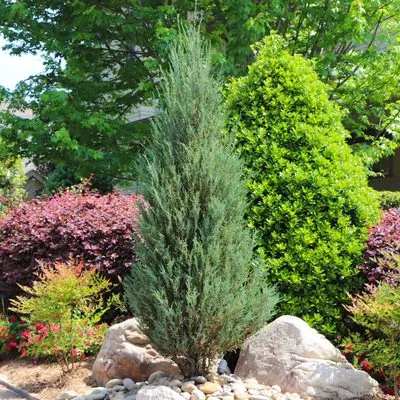
Tennessee Landscape is a locally owned and operated landscaping company based in Franklin, TN, serving Franklin, Brentwood, Spring Hill, and the greater Middle Tennessee area. We specialize in premium...
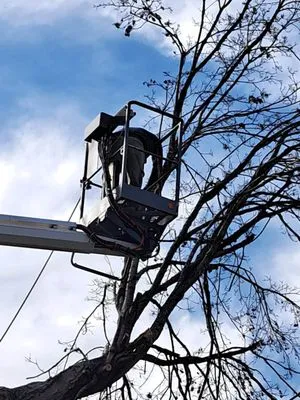
L&M Lawncare and Tree Service is a trusted local provider in Smyrna, TN, offering comprehensive lawn and tree care solutions tailored to the area's specific needs. We specialize in addressing common l...
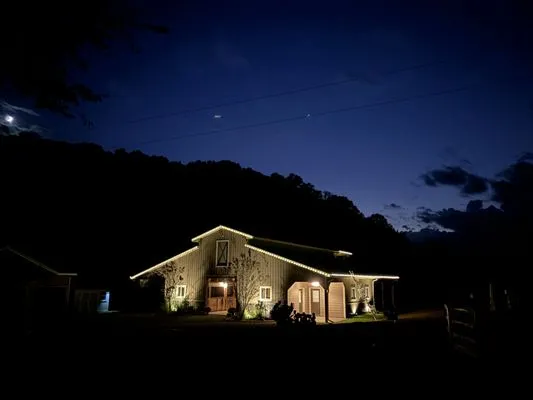
Rooted Lawncare
Rooted Lawncare is a Spring Hill, TN-based outdoor services company founded and operated by Josiah Kanaday. With four years of dedicated experience, Josiah started with Christmas light installations a...
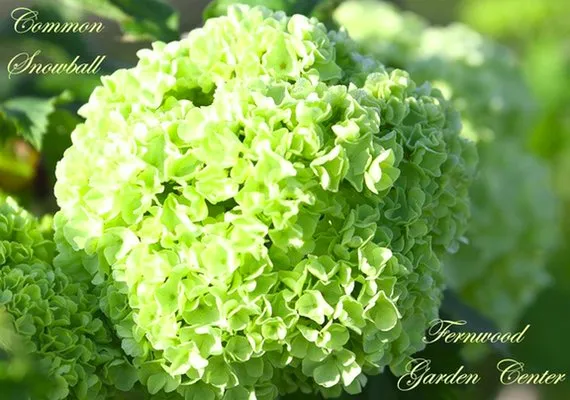
Since 1992, Fernwood Garden Center has been a cornerstone of the Columbia community, growing from a family hobby into a trusted local resource. Located near historic downtown, we are more than just a ...
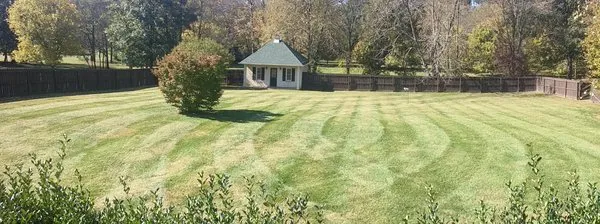
ReGen Turf and Irrigation is a Spring Hill-based lawn and irrigation specialist dedicated to building and maintaining healthy, resilient outdoor spaces. We understand that local lawns face specific ch...

Local Lawn Care Services in Spring Hill, TN, specializes in maintaining and restoring healthy lawns for homeowners. We understand the common local challenges of dead lawn patches and sprinkler leaks, ...
Southern Precision Landscape & Design is a locally owned and operated business in Spring Hill, founded by Carter Graves. We are built on a foundation of honesty, integrity, and a dedicated commitment ...
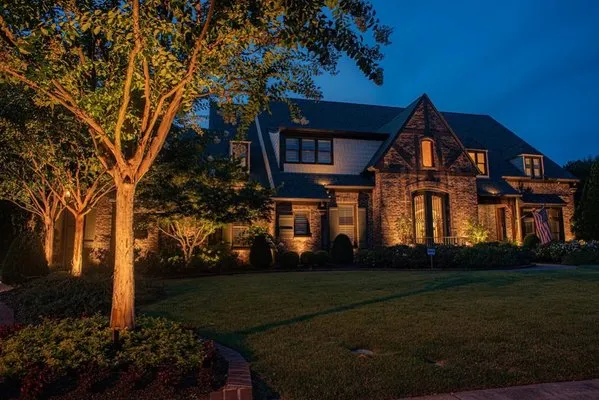
A&S Outdoors
A&S Outdoors is a family-owned landscaping company serving Thompson's Station, TN, and the surrounding Middle Tennessee area since 2010. Specializing in irrigation, landscaping, and patio coverings, t...
Estimated Landscaping Service Costs in Mount Pleasant, TN
Common Questions
What solutions work for moderate runoff problems in Mount Pleasant's clay-heavy soils?
Clay-heavy subsoil compaction in acidic silt loam creates poor percolation rates. Installing French drains with clean gravel and perforated pipe redirects subsurface water away from foundations. Using permeable Tennessee sandstone for patios or walkways increases surface infiltration by 50-70%. These approaches meet Mount Pleasant Planning & Zoning Department runoff standards while addressing the 0.35-acre lot's specific drainage patterns.
Can I maintain healthy Tall Fescue turf while following Mount Pleasant's water conservation guidelines?
Smart Wi-Fi ET-based irrigation systems precisely match watering to evapotranspiration rates, reducing consumption by 30-40% compared to traditional timers. These systems automatically adjust for rainfall and temperature, maintaining Tall Fescue's 1-1.5 inch weekly requirement during growing season. This approach respects voluntary conservation measures while preventing drought stress. Proper scheduling avoids runoff and aligns with municipal water management objectives.
What permits and licenses are required for grading work on my 0.35-acre Mount Pleasant property?
Significant grading on 0.35-acre lots requires erosion control permits from the Mount Pleasant Planning & Zoning Department. Contractors must hold Tennessee Department of Commerce and Insurance licensing for earthwork exceeding 100 cubic yards. These regulations prevent sediment runoff into waterways and ensure proper slope stabilization. Unlicensed grading can result in fines and mandatory restoration at the property owner's expense.
How quickly can you respond to an emergency tree cleanup after a storm in Downtown Mount Pleasant?
Emergency storm response typically requires 20-30 minutes during peak conditions. Our dispatch routes from Mount Pleasant City Hall via US-43, which provides direct access to Downtown neighborhoods. This timing accounts for debris clearance and safe navigation around downed power lines. We maintain electric-powered equipment to comply with noise ordinances while ensuring rapid deployment.
Is Tennessee sandstone or wood better for durable, fire-resistant landscaping in Mount Pleasant?
Tennessee sandstone offers superior longevity with minimal maintenance compared to wood's 8-12 year replacement cycle. Its non-combustible nature supports Firewise USA Community Standards by creating defensible space around structures. Properly installed sandstone patios withstand freeze-thaw cycles common in Zone 7b without deterioration. This material choice reduces long-term costs while enhancing property resilience in moderate fire risk areas.
How can I reduce lawn maintenance while supporting local biodiversity in Mount Pleasant?
Replacing high-maintenance turf with native plant communities significantly reduces water and chemical inputs. Eastern Redbud, Purple Coneflower, Switchgrass, Blazing Star, and Flowering Dogwood provide year-round interest while supporting pollinators. This transition aligns with electric equipment adoption ahead of gas-blower restrictions under noise ordinances. Native plantings require 75% less maintenance than traditional lawns while enhancing ecological function.
Why does my Mount Pleasant yard have such compacted soil that struggles to absorb water?
Downtown Mount Pleasant properties built around 1976 have approximately 50 years of soil development. The acidic silt loam common in this neighborhood naturally compacts over decades, especially with clay-heavy subsoil layers. This reduces permeability to 0.5 inches per hour or less, creating runoff issues. Core aeration with organic amendments like composted leaf mold addresses this by improving soil structure and increasing water infiltration capacity.
What invasive species should Mount Pleasant homeowners watch for, and how should they be managed?
Japanese stiltgrass and Chinese privet pose significant threats in USDA Zone 7b. Manual removal before seed set in early fall prevents spread without chemical intervention. For established infestations, targeted glyphosate applications during dormancy avoid phosphorus runoff concerns near waterways. Always check Tennessee Department of Agriculture guidelines for treatment windows that comply with local fertilizer ordinances.
