Top Landscaping Services in Mosheim, TN, 37711 | Compare & Call
There are 178 landscaping companies server in Mosheim TN

Elite Lawn Care and Pressure Washing provides reliable lawn and exterior cleaning services for homeowners in Newport, TN, and the greater Knoxville area. We focus on straightforward, effective solutio...
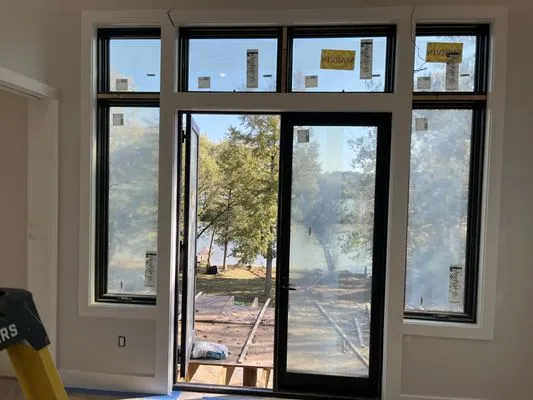
Apex Construction and Landscaping is a trusted, full-service contractor serving New Market, TN homeowners with comprehensive solutions for both indoor and outdoor living spaces. We specialize in trans...
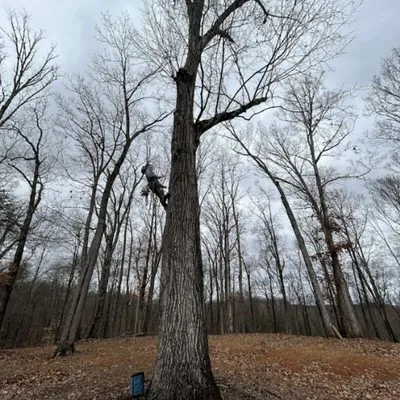
Sauls Land Management LLC is a professional tree and lawn care company serving the Sevierville and Pigeon Forge communities. We are dedicated to helping local property owners maintain safe, healthy, a...
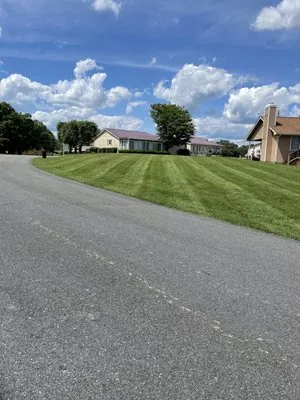
2 Digit Lawncare is a locally owned and operated lawn service in Mooresburg, TN, run by Kevin. With a personal touch and a commitment to quality, Kevin treats every property as if it were his own, ens...
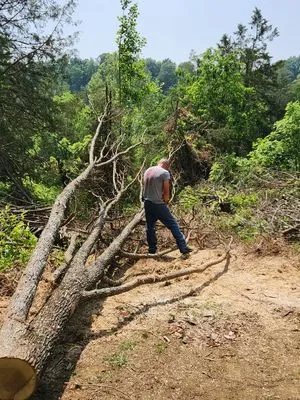
Shular Wood is a family-operated business with deep roots in Washburn, Tennessee, serving the community for over four decades. Founded by my father, the business evolved over the years, with my mother...
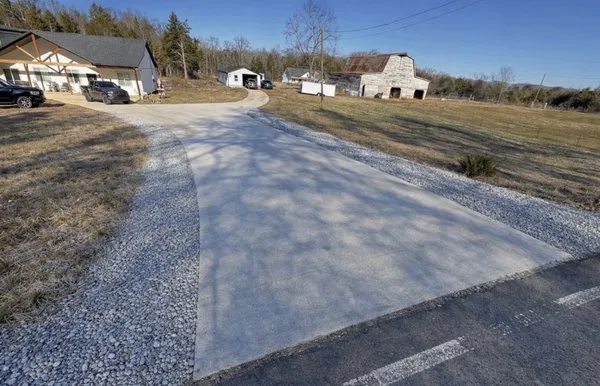
Tennessee Valley Land Solutions, owned by Shane Dunn, is a trusted, multi-service contractor based in Seymour, Tennessee. We simplify property care for homeowners and managers across the Tennessee Val...
Dixie Turf & Tree is a trusted local landscaping company serving La Follette, TN, and the surrounding Campbell County area. We understand the unique challenges of maintaining a healthy lawn in our reg...
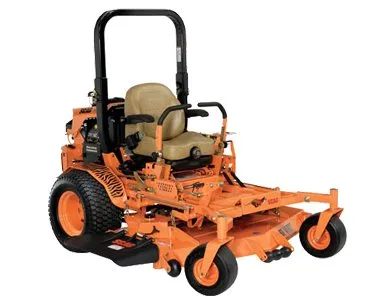
Asbury Property Management
Asbury Property Management is a trusted local business in Strawberry Plains, TN, specializing in both property management and lawn care services. We understand that homeowners in our community frequen...
Ramey's Lawn & Tree is a trusted landscaping and tree service provider serving Church Hill, TN, and surrounding areas. With expertise in both softscape and hardscape solutions, we help local homeowner...
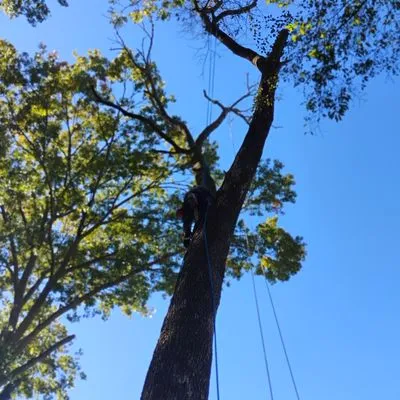
Extreme Tree Service in Jefferson City, TN, is a locally owned and operated tree care business founded in 2018 by a lifelong arborist who started climbing trees at age 13. With deep roots in the indus...
Estimated Landscaping Service Costs in Mosheim, TN
Frequently Asked Questions
My lawn in Mosheim Town Center feels spongy and drains poorly. Did the original construction cause this?
Properties in this neighborhood, typically built around 1986, have acidic silt loam soils that are now 40 years old. Decades of standard maintenance and foot traffic have compacted the clay-heavy subsoil, reducing permeability. The resulting spongy surface indicates a dense layer preventing water percolation. Core aeration and adding composted organic matter are critical to rebuild soil structure and address this common age-related compaction.
I need significant regrading on my 0.45-acre lot. What permits and contractor credentials are required?
Any grading that alters water flow or involves cut/fill exceeding 18 inches typically requires a permit from the Town of Mosheim Planning & Zoning. The contractor must hold a license from the Tennessee Department of Commerce and Insurance - Board for Licensing Contractors. For a lot of this size, improper grading can impact neighborhood drainage, making licensed, insured professionals essential for legal and engineering compliance.
Water pools near my foundation after heavy rain. What's a lasting solution for my yard's drainage issue?
Moderate runoff here is often due to the native clay-heavy subsoil's low permeability. A tiered approach is effective: first, install French drains or dry wells to intercept subsurface water. Second, replace solid concrete walkways with permeable flagstone or paver systems to increase ground infiltration. These solutions manage volume and may require a Town of Mosheim Planning & Zoning permit if altering significant runoff patterns.
I want to reduce mowing, noise, and water use. What are my options for replacing some lawn?
Transitioning high-maintenance turf to a climate-adaptive xeriscape with Tennessee natives is a forward-looking strategy. Planting drifts of Switchgrass, Butterfly Milkweed, Purple Coneflower, and Black-eyed Susan establishes deep root systems that require no irrigation once established. This reduces weekly mowing, eliminates gas-blower use ahead of tightening noise ordinances, and provides superior habitat for 2026 biodiversity standards.
Are flagstone patios better than wooden decks for longevity and safety in our area?
Inorganic materials like flagstone and concrete pavers offer superior longevity compared to wood, which decays in our humid climate. They also contribute to a higher Firewise USA site assessment rating by creating non-combustible defensible space, a consideration in Mosheim's moderate risk zone. Their permeability, when installed with gravel joints, aids in managing the site's runoff, combining durability with ecological function.
Is it possible to keep a Tall Fescue lawn healthy here without wasting water or violating restrictions?
Yes, using Wi-Fi ET-based weather-sensing irrigation is the standard. This system calculates evapotranspiration (ET) rates, applying water only when needed to match plant uptake. For Mosheim's acidic silt loam, this prevents overwatering that leads to runoff and nutrient leaching. It maintains turf health within standard conservation guidelines by replacing precisely the water lost to atmosphere and soil.
A storm brought down branches and debris overnight. How fast can you respond for an emergency cleanup to meet HOA standards?
Our dispatch for Mosheim Town Center routes from Mosheim Town Park via US-11E, with a confirmed 20-30 minute peak response time. We maintain electric equipment fleets to comply with noise ordinances for early morning starts. This allows immediate deployment for storm debris removal, ensuring your property meets compliance standards promptly after weather events.
I see an invasive vine spreading. How do I treat it without harming my garden or breaking local rules?
Common invasive alerts for Zone 7a include Japanese Honeysuckle and Kudzu. Manual removal of roots is preferred, but for established patches, a targeted, systemic herbicide applied in late summer is most effective. Always follow state BMPs for fertilizer and pesticide use, avoiding application before forecasted rain to prevent runoff into waterways. This approach manages the invasion without violating environmental ordinances.
