Top Landscaping Services in Milan, TN, 38358 | Compare & Call

Zach & Migos Landscaping brings a fresh, dedicated approach to landscaping in Milan, TN. Founded by two individuals from different backgrounds but united by a shared history of farm work and landscapi...
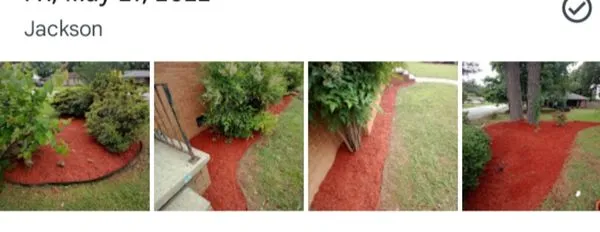
Johnsons Property Maintenance
Johnsons Property Maintenance is a Milan-based landscaping company serving West Tennessee with professional property care services. Our experienced crews specialize in landscape construction, tree ser...

TT Tree and Lawn Service is a trusted local provider in Milan, TN, offering comprehensive tree and lawn care solutions to keep your property healthy and beautiful. We specialize in lawn care, tree pla...
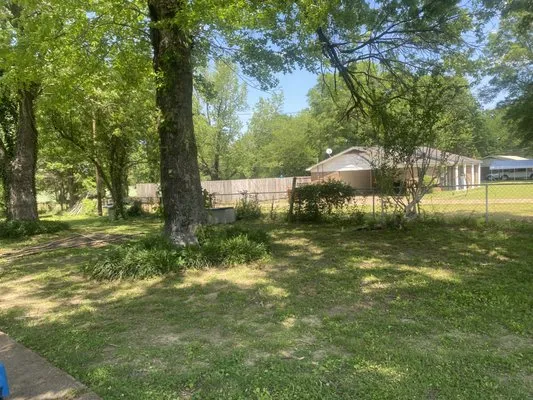
Milan Lawn Care is a local, owner-operated business dedicated to keeping your property looking its best. I start every job with a walk-through inspection, working directly with you to understand exact...
Warrens Complete Landscaping and Custom Creations & More is a Milan, TN-based landscaping company dedicated to solving common local homeowner challenges like landscape edging damage and lawn fungus di...
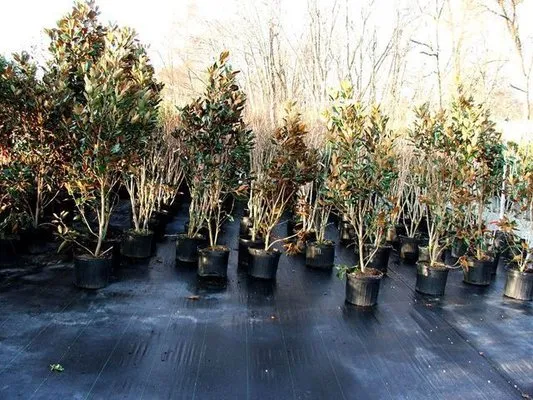
Greenway Nursery
Greenway Nursery in Milan is your local partner for creating and maintaining beautiful, healthy outdoor spaces. We specialize in comprehensive landscape design and building, from initial deck and gree...

Massey Lawn Care Landscaping Tree Service Junk Removal is a trusted local provider in Milan, TN, specializing in comprehensive outdoor solutions. We help Milan homeowners tackle common landscaping cha...
Shipley's Lawn Care is your trusted local lawn service provider in Milan, Tennessee. We understand the specific challenges Milan-area lawns face, including persistent moss growth and common irrigation...
GEM Landscaping is a trusted local landscaping company serving Milan, TN, and the surrounding areas. We specialize in addressing common landscaping challenges faced by homeowners in our community, suc...
Yard Boy Yard Services is a trusted local landscaping company serving Milan, TN, and the surrounding areas. We specialize in diagnosing and treating common local lawn problems, particularly lawn fungu...
FAQs
What are the most aggressive weeds here, and how do I manage them safely?
Invasive species like Japanese Knotweed and Bermudagrass pose significant alerts in established neighborhoods. Management requires a targeted, seasonal approach: systemic herbicide applied at specific growth stages for perennial invasives, combined with pre-emergent strategies for annuals. All treatments must adhere to Tennessee BMP guidelines, which prohibit phosphorus application without a verified soil test deficiency, ensuring nutrient runoff does not impact local waterways.
My yard holds water after heavy rain. What's a lasting solution?
Moderate runoff in Milan typically stems from clay subsoil compaction beneath acidic silt loam, creating a shallow perched water table. A tiered solution includes installing French drains to intercept subsurface flow and regrading to direct surface water away from foundations. For new hardscapes, specifying permeable concrete pavers or open-graded crushed limestone increases infiltration, often helping projects meet the Milan Planning & Zoning Department's stormwater management standards.
What permits and qualifications are needed to regrade my property?
Regrading a 0.35-acre lot often requires a permit from the Milan Planning & Zoning Department to ensure compliance with drainage and erosion control ordinances. The work must be performed by a contractor licensed by the Tennessee Department of Commerce and Insurance (Contractors Licensing Board), as significant earthmoving alters water flow patterns and structural integrity. This licensing verifies both technical competency and adherence to state-mandated liability insurance requirements, protecting your investment.
Why does my soil feel so dense and why do some plants struggle in my Milan yard?
Homes built around 1976, common in Milan City Center, have soils with a 50-year history of standard maintenance. Your acidic silt loam has likely developed a compacted clay subsoil layer from decades of foot traffic and machinery, which restricts root growth and water percolation. This compaction reduces permeability, a primary cause of the moderate runoff hazard noted in the area. Core aeration paired with incorporating 2-3 inches of composted organic matter is critical to rebuild soil structure, lower bulk density, and improve conditions for root systems.
How quickly can you respond for an emergency tree cleanup after a storm?
Our emergency storm response protocol targets a 15-20 minute arrival for properties in the Milan City Center. We dispatch a fully equipped electric fleet from our depot near Milan City Park, utilizing US-45W for direct access to minimize transit time during peak disruption. This rapid response is structured to secure hazardous limbs, clear driveways for access, and initiate debris management to meet immediate safety and HOA compliance standards.
I want to reduce mowing and gas equipment noise. What are my options?
Transitioning high-input turf areas to a native plant community is a forward-looking strategy. Species like Purple Coneflower, Switchgrass, and Butterfly Milkweed are adapted to Zone 7b and acidic soils, requiring no fertilization, minimal water, and no weekly mowing. This shift not only reduces fuel consumption and noise—aligning with evolving daytime operation ordinances—but also significantly enhances local biodiversity and soil carbon sequestration.
Are concrete pavers a better choice than wood for a new patio?
Concrete pavers offer superior longevity and lower lifecycle maintenance compared to wood, which decays and requires chemical treatment. For Milan's climate and low Fire Wise rating, pavers provide a non-combustible, stable surface that contributes to defensible space without combustibility concerns. Their modular design also allows for frost-heave resistance and easier repair of subsidence than monolithic concrete pours.
Is it wasteful to run my sprinklers if there are no official water restrictions?
Operating irrigation without an ET-based system is inefficient, even under Stage 0 restrictions. Wi-Fi weather-sensing controllers adjust runtime daily based on local evapotranspiration data, preventing overwatering. This technology applies precisely the volume Tall Fescue requires, conserving municipal water and preventing the fungal issues common from excess moisture in our humid climate. It represents a core infrastructure upgrade for long-term resource stewardship.
