Top Landscaping Services in Maynardville, TN, 37807 | Compare & Call

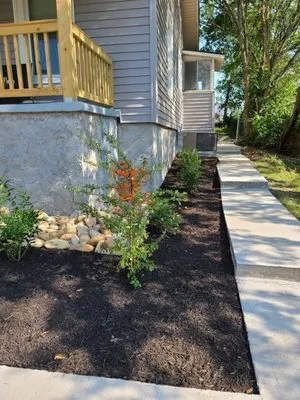
Stiner's Home and Landscape is a Maynardville-based business founded in 2020 by local owner Roy Stiner. Born in Knoxville and raised in Sharps Chapel, Roy combines years of hands-on experience in tree...

At Smith Landscaping and Lawn Care in Maynardville, TN, we believe a beautiful lawn starts with listening. Our owner's passion is turning your vision for your outdoor space into reality, treating ever...
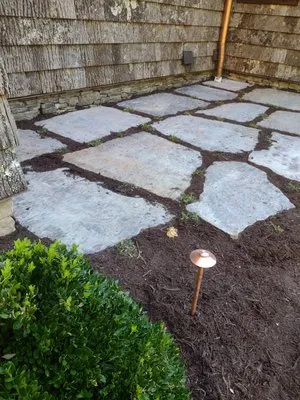
Bright Landscaping & Concrete is a locally-owned and operated business serving homeowners and property managers in Maynardville, TN, and surrounding Union County. We specialize in providing comprehens...
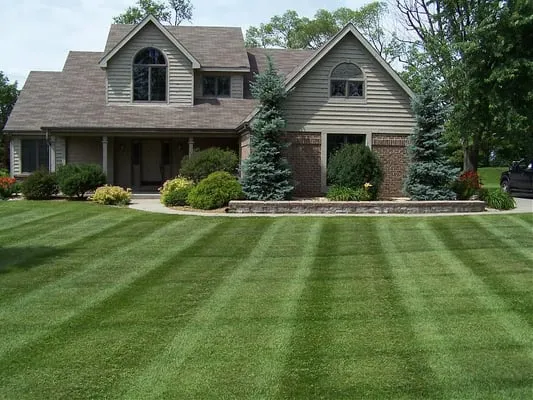
Denny's Lawn & Landscaping is your trusted local partner in Maynardville, TN, for creating and maintaining healthy, beautiful outdoor spaces. We understand the common local frustrations of lawn fungus...

EGP Landscape is a full-service landscaping company serving Maynardville, TN, and the surrounding Union County area. We specialize in transforming properties with comprehensive solutions, from initial...
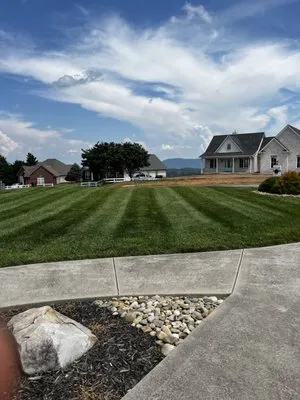
Four Seasons Landscaping is your trusted, local partner for lawn care in Maynardville, TN. We understand the unique challenges homeowners face, from unsightly dead patches to inefficient sprinkler sys...
S&J Landscaping is a full-service landscaping company serving Maynardville, TN, and the surrounding Union County area. We understand that local homeowners often struggle with patchy lawns and dying sh...
Father & Sons Lawn Care is a trusted, family-owned lawn service in Maynardville, TN, dedicated to helping homeowners achieve healthy, well-maintained yards. We understand the common local landscaping ...
Jacks Lawn Service is your trusted, local lawn care expert in Maynardville, TN. We understand the specific challenges homeowners in our area face, such as unsightly landscape edging damage and frustra...

Corum Lawn Care is a trusted, locally-owned lawn service provider serving homeowners in Maynardville, TN, and the surrounding Union County area. We specialize in addressing the common local issues of ...
Questions and Answers
I'm tired of weekly mowing and gas blower noise. Are there lower-maintenance options?
Replacing high-input turf areas with a native plant community is a forward-thinking strategy. Species like Purple Coneflower, Butterfly Weed, Eastern Redbud, and Little Bluestem are adapted to Zone 7a and our acidic soils, requiring minimal watering and no regular mowing. This transition reduces fuel consumption and noise, aligning with evolving community standards and providing superior habitat value to support local biodiversity.
A storm brought down a large limb. How quickly can a crew respond for an emergency cleanup?
For urgent situations like storm debris blocking access or creating safety hazards, we prioritize a rapid dispatch. A crew routing from the Union County Courthouse area via TN-33 can typically reach most Maynardville locations within a 45 to 60 minute window during peak response times. This allows for immediate site securing and debris management to restore safety and comply with local nuisance ordinances.
What permits and qualifications should I verify before hiring someone to regrade my yard?
Any significant grading or earthmoving on a 0.50-acre lot likely requires a permit from Union County Planning & Zoning to ensure proper drainage and erosion control. Crucially, the contractor must hold a current license from the Tennessee Department of Commerce and Insurance - Board for Licensing Contractors. This license is your assurance they carry required insurance and understand state regulations, protecting you from liability for improper work.
How do I keep my Tall Fescue lawn green without wasting water or breaking any rules?
Wi-Fi ET-based irrigation controllers are the standard for efficient water use in our area. These systems adjust watering schedules daily based on local evapotranspiration data, weather forecasts, and soil moisture. This technology applies precisely the water your Tall Fescue needs, preventing overwatering that exacerbates our clay soil runoff issues. It is the most effective method for maintaining turf health within normal municipal water guidelines.
Is crushed stone or wood better for building a new patio or fire pit area?
Crushed Tennessee fieldstone is a more durable and ecologically sound choice than wood for our climate. It is inorganic, so it won't rot, warp, or attract pests. From a fire safety perspective, using non-combustible stone is essential for creating defensible space in our Moderate (WUI Zone 2) fire risk area. It provides a permanent, low-maintenance surface that complements the local landscape.
My lawn never seems to thrive, even with fertilizer. Is there something wrong with the soil around here?
Properties in Maynardville City Center, developed around 1995, have had three decades for their soils to settle. This age typically results in acidic Ultisols with a pH of 5.5-6.2 becoming heavily compacted, especially with our clay-heavy composition. That compaction restricts root growth and water percolation. Core aeration and incorporating organic compost are critical first steps to remediate this inherited soil structure and improve overall fertility.
My yard floods after heavy rain. What's a long-term solution for the standing water?
High runoff from clay-heavy, compacted soils is a common issue here. Solutions focus on improving permeability. Installing French drains or dry creek beds lined with permeable crushed Tennessee fieldstone can effectively redirect water. Using this material for patios or walkways also reduces impervious surfaces, helping new projects meet Union County Planning & Zoning standards for stormwater management by allowing infiltration.
What invasive plants should I watch for, and how do I control them responsibly?
Be vigilant for invasive species like Japanese honeysuckle, privet, and mimosa, which outcompete natives. Manual removal for young plants or targeted, professional-grade herbicide application for established stands are effective. Any chemical treatment must follow state BMP guidelines, which prohibit application before forecasted heavy rainfall to prevent runoff into waterways. Always identify the plant conclusively before initiating any control method.
