Top Landscaping Services in Lake City, TN, 37714 | Compare & Call
There are 188 landscaping companies server in Lake City TN

Founded by Brandon, Nature Craft Home in Knoxville, TN, is a landscaping company dedicated to creating sustainable, eco-friendly outdoor spaces that promote harmony with the local environment. Our app...
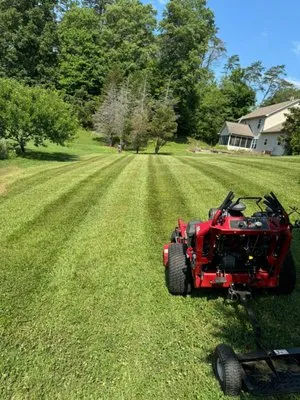
Ventura Landscaping, owned and operated by Daniel Ventura in Knoxville, TN, provides reliable lawn care, tree services, and pressure washing for residential properties. With transparent pricing and a ...
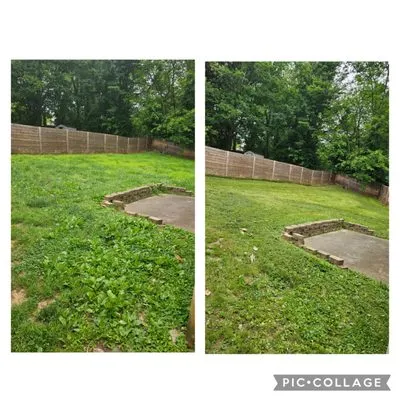
Honeysuckle Landscaping and Lawn Care is a family-owned business serving Alcoa, TN, and the surrounding Knoxville area. Founded by JR, a Knoxville native with a lifelong passion for the outdoors, the ...
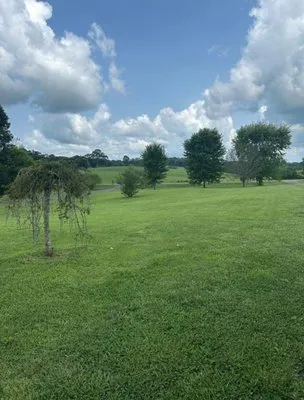
Tennessee legends
Tennessee Legends is a Sevierville-based home services provider with deep roots in the community. For nearly a decade, we've specialized in log cabin building, a skill that informs our meticulous appr...
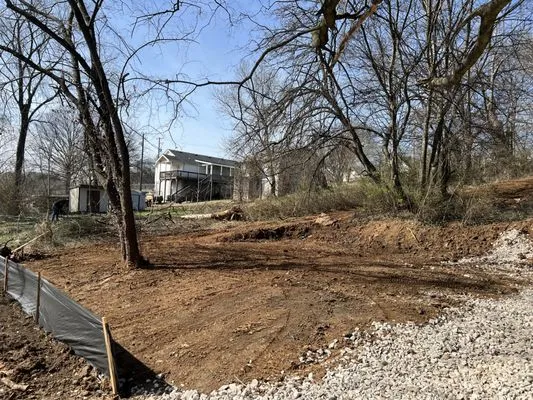
BlackHorse Excavation is a trusted excavation and landscaping contractor serving Knoxville and East Tennessee. We specialize in comprehensive sitework for both residential and commercial projects, fro...
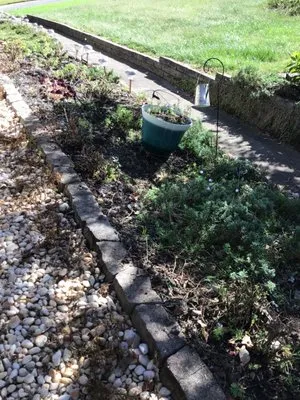
Integrity Landscaping is a Knoxville-based landscaping company built on a foundation of hands-on experience and a genuine passion for transforming outdoor spaces. Owner's journey began with years of m...
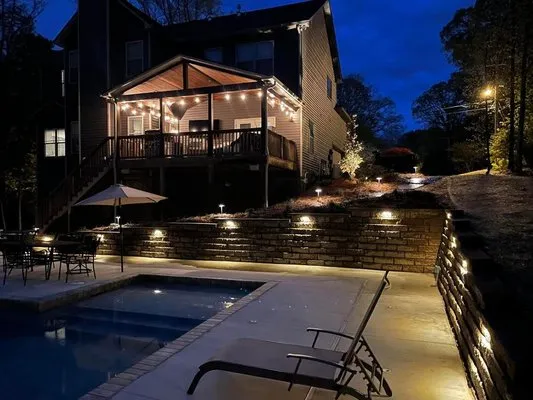
Clear Creek Landscaping is a licensed and insured design-build company serving Knoxville and surrounding areas, specializing in both residential and commercial projects. Established in 2017, our team ...
ETENN Lawn and Land Maintenance is a licensed and insured full-service landscaping company serving LaFollette, TN, and the surrounding area. We provide comprehensive care for your outdoor space, from ...
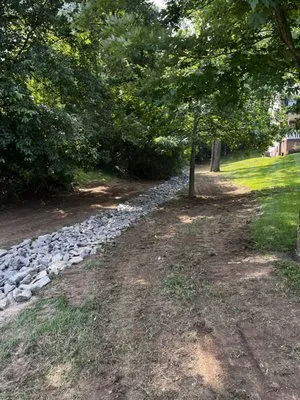
Morgan Land Solutions
Morgan Land Solutions is a locally owned and operated land management company in Oak Ridge, founded by Hayden Morgan. Born and raised right here in Oak Ridge, Hayden brings a deep understanding of our...
Alpha Property Services is a fully licensed, bonded, and insured Knoxville-based company providing comprehensive property solutions for Realtors, homeowners, landlords, and HOAs. We combine expertise ...
Estimated Landscaping Service Costs in Lake City, TN
Questions and Answers
A storm just knocked down a large limb. How fast can a crew get here for an emergency cleanup?
For an emergency storm response, a crew dispatched from near Lake City City Hall can typically reach Downtown Lake City properties within the 20-30 minute window, using I-75 for the primary route. Priority is given to clearing hazards blocking driveways or threatening structures. The crew will secure the area, remove the debris, and perform a safety assessment of remaining trees on your 0.25-acre lot.
What should we verify before hiring someone to regrade our yard?
Any significant grading on a 0.25-acre lot that alters water flow or involves retaining walls over 4 feet requires verification. First, confirm the contractor holds a current license from the Tennessee Department of Commerce and Insurance - Board for Licensing Contractors. Second, the Lake City Building & Codes Department may require a permit for the work to ensure it complies with drainage and erosion control ordinances. Always request proof of both before work begins.
Our backyard stays soggy for days after a rain. What's a lasting solution?
Seasonal saturation is common with our clay loam soils due to slow percolation. A two-part solution is effective. First, install a French drain or dry creek bed to intercept and redirect subsurface water. Second, for any new patios or walkways, use permeable crushed Tennessee sandstone as the base material. This aggregate allows water to infiltrate, meets Lake City Building & Codes Department runoff management standards, and reduces the burden on storm drains.
Is crushed sandstone a better choice than wood for a new patio?
For longevity and fire resilience, crushed Tennessee sandstone is superior. It is a non-combustible, inert material that will not decay, warp, or attract pests. In our Moderate Wildland-Urban Interface rating zone, using stone for patios and pathways within the first 30 feet of your home contributes to defensible space. Sandstone also integrates aesthetically with the local environment and requires zero ongoing maintenance compared to wood.
Our Downtown Lake City yard seems hard as a rock. What's the long-term fix for our soil?
Homes built around 1964, like many here, have had over 60 years of soil compaction from construction and maintenance. Our native acidic clay loam (Ultisols) naturally becomes dense and limits root growth. Core aeration followed by incorporating 1-2 inches of composted organic matter is essential. This process improves soil structure, increases permeability for better drainage, and corrects pH over time, creating a resilient foundation for any planting.
We want to reduce mowing and gas equipment noise. What are our options?
Transitioning to a climate-adaptive landscape with native plants is the strategic solution. Replacing high-input Tall Fescue areas with a matrix of Switchgrass, Butterfly Milkweed, Purple Coneflower, and Eastern Redbud significantly reduces water, fertilizer, and weekly mowing needs. This biodiversity-rich planting is more resilient, supports pollinators, and proactively aligns with evolving community standards around noise and emissions from maintenance equipment.
Is it okay to run my sprinkler schedule?
Given we are in Stage 0 with no restrictions, the goal is to use water efficiently. Wi-Fi ET-based systems are critical for this. They adjust run times daily based on local evapotranspiration data, weather forecasts, and soil moisture. For Tall Fescue, this means applying about 1 inch of water per week, split into cycles, only when needed. This technology prevents overwatering, conserves municipal supply, and maintains turf health even during summer heat.
We see Japanese Stiltgrass and Chinese Privet invading our lot. How do we handle it safely?
These are high-priority invasive species that outcompete natives. For Stiltgrass, a pre-emergent herbicide in early March is key, followed by careful hand-pulling. For established Privet, cut-stump treatment with a targeted herbicide is most effective. All treatments must follow state BMP guidelines, which prohibit phosphorus application unless a soil test confirms a deficiency. Proper timing and method prevent chemical runoff into the local watershed.
