Top Landscaping Services in Humboldt, TN, 38343 | Compare & Call
There are 83 landscaping companies server in Humboldt TN
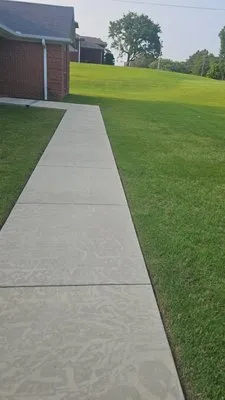
In & Out Lawncare is your trusted local expert for lawn and gutter services in Trenton, TN. We understand the specific challenges Trenton homeowners face, from lawn insect damage to uneven sprinkler c...
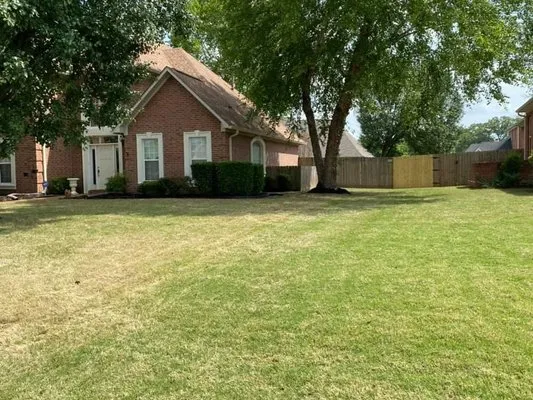
Landers Lawn Service is a trusted, full-service provider in Jackson, TN, dedicated to maintaining and protecting your property. We understand the local challenges homeowners face, from storm debris cl...
Faulkner Lawn & Landscape
Faulkner Lawn & Landscape is your trusted, local Henderson partner for comprehensive lawn, tree, and gutter care. We understand the specific challenges Henderson homeowners face, from storm debris cle...
Estimated Landscaping Service Costs in Humboldt, TN
Frequently Asked Questions
How do I maintain Tall Fescue without wasting water during dry periods?
Wi-Fi ET-based weather sensing irrigation systems calculate evapotranspiration rates using local weather data, applying water only when needed. This technology maintains Tall Fescue health while conserving 20-40% compared to traditional timer-based systems. With no current water restrictions in Humboldt, these systems operate optimally but include drought mode settings for future conservation needs. Properly calibrated systems deliver 1-1.5 inches weekly during peak growing season, matching turfgrass requirements without exceeding municipal guidelines.
How do I control invasive plants without harming my garden?
Japanese stiltgrass and Chinese privet present significant invasive risks in Humboldt's acidic soils. Manual removal before seed set combined with targeted spot treatments using EPA-approved herbicides minimizes collateral damage. Applications follow state BMP guidelines, avoiding impervious surfaces and respecting seasonal blackout periods. Soil solarization during peak summer heat provides chemical-free control for annual invaders while preserving beneficial mycorrhizae networks in established planting beds.
Can I reduce lawn maintenance while supporting local ecology?
Replacing high-maintenance turf with native plantings like Purple Coneflower, Black-eyed Susan, Switchgrass, and Butterfly Milkweed creates resilient landscapes requiring minimal inputs. These species thrive in Humboldt's USDA Zone 7b conditions without supplemental irrigation once established. Transitioning to electric maintenance equipment aligns with standard noise ordinances while eliminating gas emissions. Native plant communities support 2026 biodiversity standards by providing habitat for pollinators and reducing chemical dependency.
What solutions address seasonal flooding in my yard?
Acidic silt loam soils in Humboldt experience moderate runoff due to seasonal saturation and reduced permeability. Installing permeable concrete pavers with gravel bases increases infiltration rates by 40-60% compared to solid surfaces. These systems meet Humboldt Planning & Zoning Department runoff standards while directing water away from foundations. French drains or dry creek beds complement hardscape solutions, particularly in areas with persistent saturation during spring thaws.
How quickly can you respond to an emergency tree cleanup after a storm?
Emergency storm response from Humboldt City Hall via US-45W typically requires 20-30 minutes during peak conditions. This route provides direct access to Downtown Humboldt neighborhoods while avoiding residential congestion. Crews maintain pre-staged equipment for immediate deployment, prioritizing safety hazards like downed power lines or blocked access routes. Coordination with local utilities ensures efficient clearance of public right-of-ways before addressing private property concerns.
Are concrete pavers better than wood for patio construction?
Concrete pavers offer superior longevity with 25-40 year lifespans versus wood's 10-15 years in Humboldt's climate. Their non-combustible nature supports Moderate Firewise USA ratings by creating defensible space around structures. Properly installed paver systems with polymeric sand joints resist frost heave and maintain permeability. Unlike wood, concrete requires no chemical treatments, aligning with fertilizer ordinance restrictions while providing stable footing in all weather conditions.
What permits and licenses are needed for landscape grading work?
Grading projects on 0.25-acre lots in Humboldt require permits from the Planning & Zoning Department when altering drainage patterns or moving over 50 cubic yards of material. Contractors must hold appropriate licensing through the Tennessee Department of Commerce and Insurance, verifying bonding and insurance coverage. Professional licensing ensures compliance with state erosion control standards and proper disposal of excavated materials. Unpermitted grading risks fines and may void property insurance during flood events.
Why does my Downtown Humboldt lawn struggle despite regular care?
Humboldt's 1970-era homes have soil that has matured for 56 years, developing acidic silt loam with pH 5.5-6.5. This soil type in Downtown Humboldt tends to compact over decades, reducing permeability and oxygen availability to roots. Core aeration every 2-3 years combined with organic amendments like composted leaf mold addresses compaction while maintaining the acidic profile preferred by many native species. Soil testing through local extension services confirms specific amendment needs before application.
