Top Landscaping Services in Greenback, TN, 37742 | Compare & Call


Tellico Landscape and Garden Center in Greenback, TN is your local partner for creating and maintaining beautiful outdoor spaces. As experienced gardeners and landscaping professionals, we specialize ...
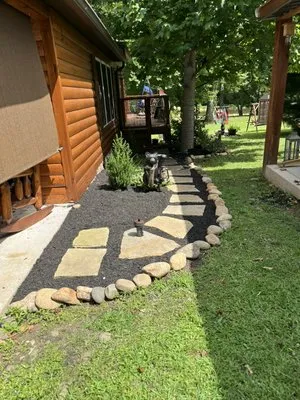
Tarwater & Sons Lawn Care is a trusted, family-owned lawn service provider serving Greenback, TN, and the surrounding areas. With deep roots in the community, they specialize in comprehensive lawn car...
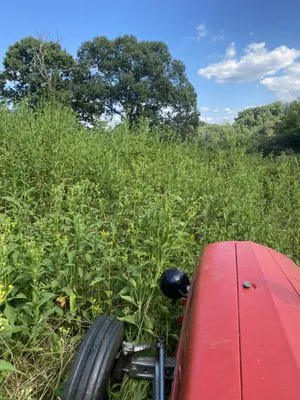
Williams Tractoring is a trusted local excavation and lawn services provider serving Greenback, TN, and surrounding areas. With expertise in excavation, land clearing, grading, lawn care, and trench d...
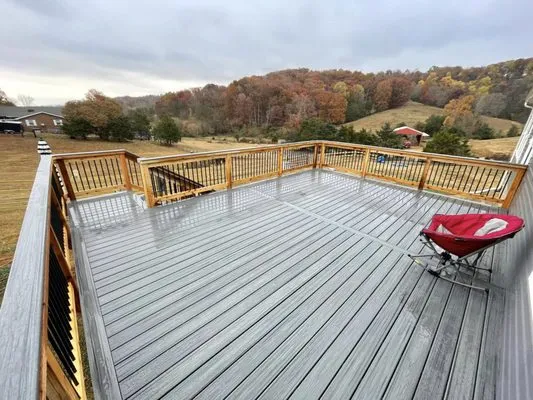
Deck-Orate Your Yard is your trusted Greenback, TN, partner for outdoor living and lawn health. We specialize in building, repairing, and replacing decks, along with comprehensive lawn care services. ...
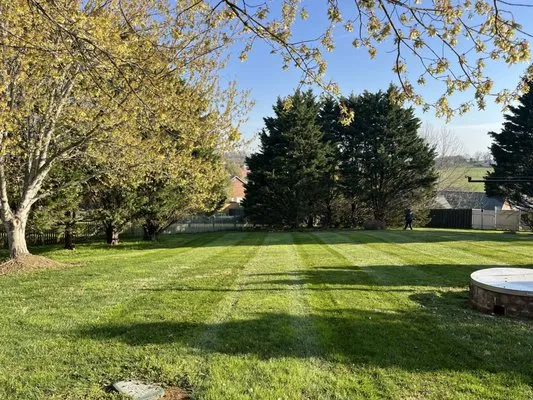
H's Lawn Care is a trusted lawn service provider serving Greenback, TN, dedicated to maintaining beautiful, healthy lawns for local homeowners. We specialize in comprehensive lawn care solutions that ...
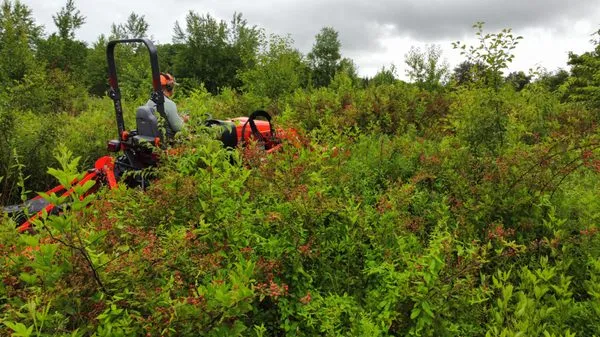
MOWR is a dedicated lawn care service in Greenback, TN, specializing in field mowing and bush hogging for large properties. We focus on providing affordable and flexible solutions, treating every prop...
Q&A
We're planning significant regrading and retaining wall work on our 0.75-acre lot. What do we need to know about permits and hiring the right contractor?
Any significant earth movement or structural retaining wall requires oversight. First, consult the Loudon County Planning and Codes Department to determine if your project needs a grading permit, especially concerning stormwater management. Second, verify that any contractor holds the appropriate license from the Tennessee Department of Commerce and Insurance - Board for Licensing Contractors. For a lot of this size, improper grading can cause off-site drainage issues, making due diligence and professional licensing non-negotiable for liability and project success.
With Stage 1 water restrictions in place, how can I keep my Tall Fescue lawn alive through a Greenback summer without wasting water?
Effective irrigation under voluntary conservation mandates a shift from scheduled watering to demand-based hydration. Smart Wi-Fi controllers integrated with in-ground soil moisture sensors are essential. These systems apply water only when the root zone moisture drops below a programmed threshold, aligning application with actual evapotranspiration (ET) rates. This technology can reduce potable water use by 20-30% while preserving Tall Fescue, as it prevents the common error of overwatering clay soils which leads to runoff and ponding.
A storm just knocked down several large limbs in my yard and my HOA requires immediate cleanup. What's your fastest emergency response time to Greenback?
Our standard emergency response for storm cleanup in Greenback is 45-60 minutes during peak dispatch. The routing is optimized from our central staging near the Greenback Depot Museum, proceeding directly via US-411 to your neighborhood. Our electric-powered chippers and hauling vehicles operate within standard noise nuisance ordinances, allowing for early morning or evening work if required to meet strict HOA compliance deadlines without disturbing the community.
We want to build a patio and are deciding between a wooden deck and a stone one. Which is better for longevity and safety in Greenback?
For longevity and aligning with our Moderate Fire Wise rating, stone hardscape is superior. Materials like Tennessee fieldstone or crushed limestone are non-combustible, contributing to defensible space in the Wildland-Urban Interface. They have a lifespan measured in decades versus years for wood, which succumbs to moisture and insect damage in our climate. A properly installed stone patio also mitigates heat island effect and requires zero chemical treatments for preservation, making it a safer, lower-maintenance investment.
I'm tired of the constant mowing and blowing. Are there lower-maintenance, eco-friendly alternatives to a traditional grass lawn for my property?
Absolutely. Transitioning high-input turf areas to a climate-adaptive xeriscape or native plant community is a forward-thinking strategy. Incorporating species like Eastern Redbud, Purple Coneflower, Switchgrass, and Joe-Pye Weed reduces water demand, eliminates weekly mowing, and provides critical habitat. This approach also future-proofs your property against evolving noise ordinances that may restrict gas-powered blowers, as these plantings require minimal leaf cleanup and thrive on an electric maintenance regimen.
My lawn in Greenback City Center has been struggling for years. The soil seems dense and nothing grows well. Is this just bad luck or is there a historical reason?
This is a predictable soil maturity issue. Homes built around the neighborhood average of 1977 have soils that are approximately 49 years old, having undergone significant compaction from construction and maintenance. Our prevalent acidic Ultisols (pH 5.5-6.2) are naturally dense and high in clay, which restricts root growth and water percolation. The solution is not just fertilization, but core aeration and the incorporation of 2-3 inches of composted organic matter to rebuild soil structure and increase permeability for healthier turf and planting beds.
Water pools in my backyard after every heavy rain. What's a lasting solution for this drainage problem that also looks good?
Surface ponding is a direct result of the low permeability inherent in our high-clay Ultisols. A functional and aesthetic solution involves creating a dry creek bed or swale using permeable hardscape materials like crushed limestone or Tennessee fieldstone. These materials facilitate gradual infiltration while directing water away from foundations. Such designs often meet the Loudon County Planning and Codes Department's standards for managed stormwater runoff and can be integrated seamlessly into the landscape as a feature rather than a utility.
I've noticed an aggressive vine taking over a hedge. What should I do, and are there rules about what chemicals I can use?
Early identification is critical for invasive species like English Ivy or Japanese Honeysuckle. Manual removal is preferred for initial control. For chemical treatment, you must adhere to Tennessee state guidelines regarding herbicide application, particularly near waterways where phosphorus and certain systemic herbicides may be restricted. We employ targeted, professional-grade applications outside of any local blackout dates, ensuring effective treatment while protecting watershed health and complying with all environmental ordinances.
