Top Landscaping Services in Fayetteville, TN, 37334 | Compare & Call
There are 67 landscaping companies server in Fayetteville TN
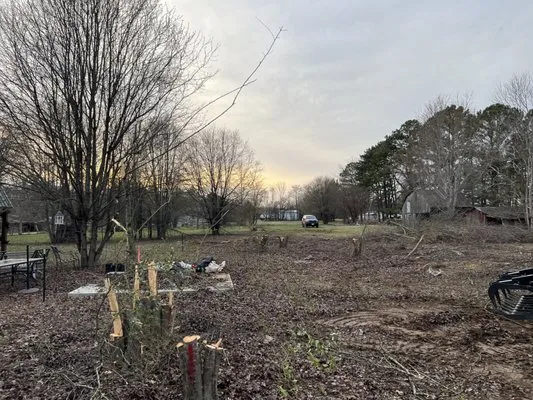
MOAB Mulching Services is a veteran-owned and operated landscaping and demolition business serving Winchester, TN, and surrounding areas. Founded with the mission to provide affordable, reliable solut...
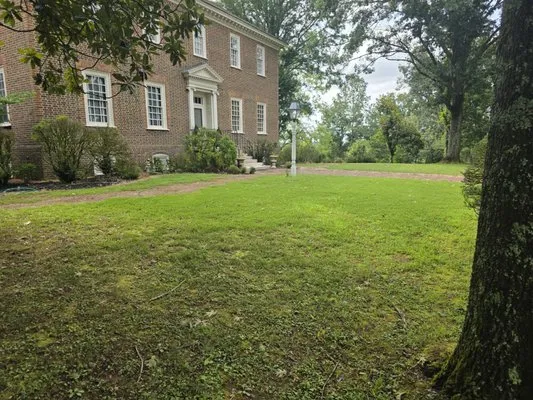
New Era Lawn Care & Irrigation Services
New Era Lawn Care & Irrigation Services is a trusted, local provider in Pulaski, TN, dedicated to solving common regional landscaping challenges. We specialize in comprehensive lawn care and irrigatio...
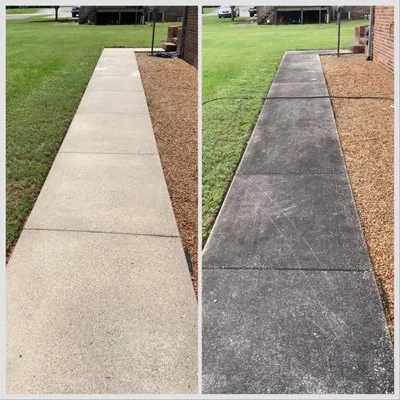
Taylor Services is your trusted local provider of pressure washing and lawn care solutions in Estill Springs, TN. We specialize in helping homeowners tackle common landscaping challenges like bare law...

Premium Ground Worx is a Winchester-based landscaping company with over 25 years of experience serving the local community. We specialize in comprehensive outdoor solutions including land clearing, di...
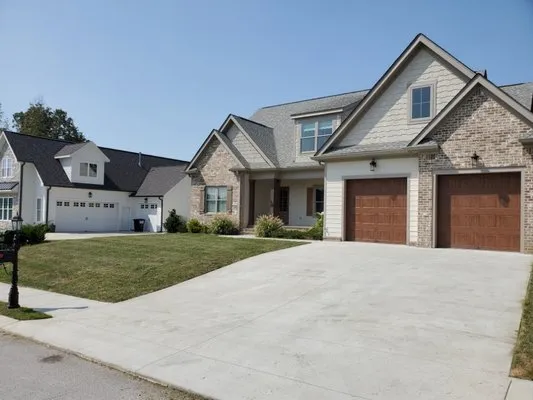
Joseph Munoz, owner of Munoz Services in McMinnville, is a dedicated family man who brings a strong work ethic and personal pride to every job. While managing a full-time job, he launched his business...

Edyaly Pressure Washing & More is a Tullahoma-based service provider dedicated to enhancing local properties through pressure washing, home cleaning, and lawn care. Our approach combines reliable tech...

You Grow It We Mow It is a family-owned lawn service business in Fayetteville, TN, founded by three brothers dedicated to building a better future for their families through reliable, quality work. Sp...
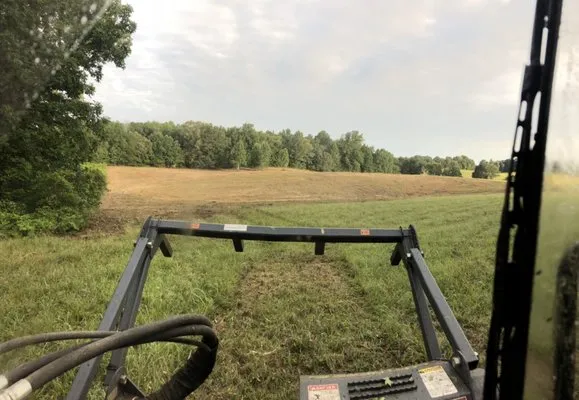
R&S Logging is a family-owned business in Fayetteville, TN, with deep roots in local forestry and land management. Starting as a logging operation, we've expanded our expertise to serve homeowners and...
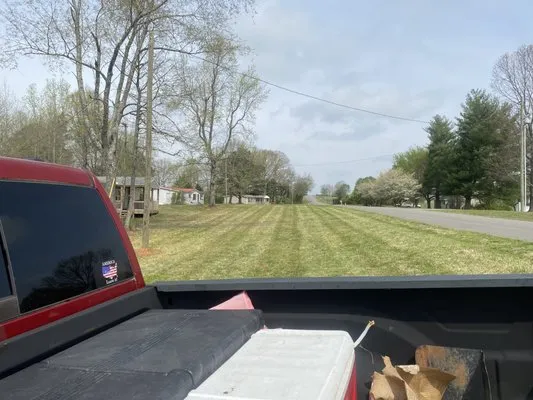
Groce Lawn Care is a family-owned and operated lawn service business in Kelso, TN, founded by Dylan Groce, a Lincoln County native with deep roots in the community. Dylan started the business in 2020 ...

C&W Lawn Care is a Kelso-based landscaping company specializing in comprehensive tree care and lawn maintenance. We focus on delivering reliable, high-quality service with meticulous attention to deta...
Estimated Landscaping Service Costs in Fayetteville, TN
FAQs
How quickly can you respond to storm damage for HOA compliance?
Emergency cleanup crews dispatch from the Lincoln County Courthouse area via US-64, maintaining 20-30 minute response times during peak storm events. This routing prioritizes Downtown Fayetteville properties requiring immediate debris removal to meet HOA standards. Electric maintenance fleets operate within daytime noise ordinance windows, ensuring compliance while addressing time-sensitive landscape restoration needs.
What solutions address moderate runoff from clay subsoil saturation?
Clay subsoil beneath acidic silt loam creates impermeable layers that cause surface runoff during heavy rains. Installing French drains with gravel channels redirects subsurface water, while permeable Tennessee fieldstone patios increase ground absorption. These approaches meet Fayetteville Planning and Zoning Department runoff standards by improving soil percolation rates and reducing erosion on sloped properties.
What permits and licenses are required for grading work on my property?
Grading projects on 0.25-acre lots in Fayetteville require permits from the Planning and Zoning Department, particularly when altering drainage patterns or moving more than 50 cubic yards of soil. Contractors must hold appropriate licensing through the Tennessee Department of Commerce and Insurance, ensuring compliance with erosion control standards and proper stormwater management. Unlicensed grading risks fines and may void property insurance coverage during extreme weather events.
Why does my soil seem compacted and acidic in Downtown Fayetteville?
Properties in Downtown Fayetteville with 1964-era construction have 62-year-old soil systems. Acidic silt loam naturally compacts over decades, reducing permeability and oxygen availability to roots. Core aeration every 2-3 years combined with organic amendments like composted leaf mold addresses this historical compaction. The pH 6.2 acidity benefits acid-loving natives but may require lime adjustments for turfgrass health.
Why choose Tennessee fieldstone over wood for permanent landscape features?
Tennessee fieldstone offers superior longevity with minimal maintenance compared to wood structures susceptible to rot and insect damage. Its natural thermal mass moderates microclimate temperatures, while non-combustible properties support Firewise USA Program compliance in moderate-risk zones. Properly installed fieldstone features create defensible space without contributing to fire fuel loads, making them both durable and safety-conscious choices.
How do smart irrigation systems conserve water while keeping Tall Fescue healthy?
Wi-Fi ET-based weather sensing irrigation calculates evapotranspiration rates specific to Fayetteville's microclimate. These systems automatically adjust watering schedules based on real-time weather data, applying precisely 1-1.5 inches weekly to Tall Fescue during active growth periods. This technology maintains turf health while staying well within municipal water limits, even during normal operations without restrictions.
How can I reduce maintenance while supporting local biodiversity?
Replacing high-maintenance turf areas with Purple Coneflower, Eastern Redbud, Switchgrass, and Butterfly Weed creates resilient native plant communities. These species require minimal watering once established and provide habitat for pollinators year-round. Transitioning to electric maintenance equipment ahead of noise ordinance changes reduces operational noise while supporting 2026 biodiversity standards through ecological landscaping practices.
What invasive species threaten Fayetteville landscapes, and how are they managed?
Japanese stiltgrass and Chinese privet present significant invasive risks in USDA Zone 7b. Manual removal before seed set combined with targeted herbicide applications during active growth phases controls these species effectively. All treatments follow State BMP guidelines, avoiding impervious surfaces and respecting seasonal blackout dates to protect water quality and non-target vegetation.
