Top Landscaping Services in Falling Water, TN, 37343 | Compare & Call
There are 177 landscaping companies server in Falling Water TN
G2 Landscaping is your trusted local partner for a vibrant, healthy outdoor space in Hixson, TN. We specialize in comprehensive landscape and irrigation solutions, from expert design and installation ...
New Creations in Chattanooga, TN is a licensed and insured lawn care and landscaping company dedicated to transforming outdoor spaces for both residential and commercial clients. We specialize in comp...

Skiles Helping Hands is a local service provider in Soddy-Daisy, TN, founded by a UTC student who understands the value of community support. With over 7 years of business management experience, the o...
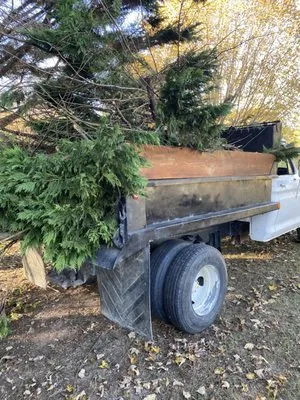
Cut And Go Landscaping is your trusted local partner for a vibrant and healthy outdoor space in Dunlap, TN. We specialize in comprehensive landscaping, expert tree services, and essential gutter clean...
Since 2003, Hines Designs Landscaping has been the trusted local partner for creating and caring for outdoor spaces in Soddy-Daisy and the surrounding 20-mile area. As a licensed and insured company, ...
Best Price Lawn Care is Signal Mountain's trusted local partner for solving common lawn and drainage issues. We specialize in practical, effective solutions for problems like standing water and poor y...
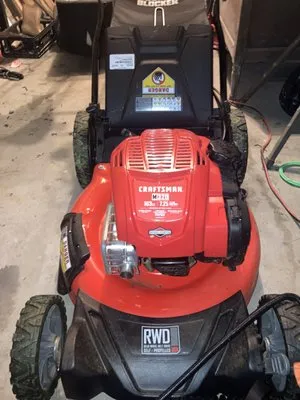
Crazy Boyz Lawn Works is a Hixson-based lawn service built on a simple promise: honest work at honest prices. Owner-founded in 2019, the business was born from a genuine passion for creating beautiful...
Estimated Landscaping Service Costs in Falling Water, TN
Common Questions
We're considering a new patio. Is Tennessee Fieldstone a better long-term choice than composite wood?
Tennessee Fieldstone offers superior permanence and lower lifecycle maintenance compared to wood or composites, which can warp or fade. In the context of Falling Water's Moderate Fire Wise rating (WUI Zone 2), stone is a non-combustible material that contributes to defensible space when used appropriately near structures. Fieldstone also integrates naturally with the local ecology and, when laid with permeable joints, mitigates the high runoff associated with our karst geology. Its durability ensures it will not need replacement, providing a permanent landscape asset.
We want to regrade a soggy section of our half-acre lot. What permits and contractor qualifications are needed?
Grading on a 0.45-acre lot that alters water flow or involves significant earthmoving typically requires a permit from the Hamilton County Planning & Development office. Given the karst-related drainage hazards here, their review ensures changes won't negatively impact adjacent properties or sinkhole stability. The contractor must hold a license from the Tennessee Department of Commerce & Insurance - Board for Licensing Contractors, specifically in the classification covering excavation and grading. Hiring a licensed professional is critical, as improper grading can lead to foundational issues and violate local codes.
Water pools near our foundation after heavy rain. Is this related to the karst topography here?
Karst topography significantly influences drainage in Falling Water. The underlying limestone is fractured, creating sinkhole potential and causing surface water to pool where sub-surface permeability is low. The acidic Ultisols also compact easily, exacerbating runoff. A functional solution involves installing a French drain system that redirects water away from the foundation to a dry well or a more permeable area. Using permeable Tennessee Fieldstone for any new patios or walkways can also reduce immediate runoff, helping projects meet Hamilton County Planning & Development's stormwater management standards.
How can we keep our Tall Fescue lawn healthy during the voluntary water conservation period?
Effective irrigation in Stage 1 Voluntary Conservation relies on precision, not volume. We program Wi-Fi ET-based weather-sensing controllers to deliver water only when evapotranspiration data indicates a deficit, often in the pre-dawn hours to minimize loss. This system adjusts in real-time for rainfall, automatically skipping cycles. For Tall Fescue in Zone 7b, this typically means deep, infrequent watering that encourages deeper root growth, making the turf more drought-resilient and keeping total usage well within municipal guidelines.
We have an HOA compliance notice for overgrown vegetation after a storm. What's your emergency response time?
Our dispatch prioritizes HOA compliance emergencies. For Falling Water Estates, our route originates at the Falling Water Falls State Natural Area maintenance facility. We proceed via US-27, which typically provides the most direct access barring major traffic incidents. Under standard conditions, we can mobilize a crew with electric, quiet-hour-compliant equipment and be on-site within the 35-50 minute window, allowing us to address the issue before any potential fines are levied.
Our yard's soil seems compacted and thin. Is this common for homes in Falling Water Estates?
Yes, this is a predictable condition for a neighborhood where the average home was constructed in 1997. Soils here are acidic Ultisols, which are naturally low in organic matter and prone to compaction over time. With a soil age of 29 years, the original topsoil layer has been depleted by standard turf management and erosion from the area's high runoff. To restore permeability and microbial life, we recommend core aeration followed by a top-dressing of composted leaf mulch, which will buffer the pH toward a more neutral range and improve water infiltration.
We're tired of weekly mowing and gas-powered noise. Are there lower-maintenance options?
Transitioning high-input turf to a landscape anchored by native plants directly addresses both concerns. Species like Switchgrass, Oakleaf Hydrangea, and Butterfly Milkweed are adapted to our acidic Ultisols and require no supplemental fertilization or frequent mowing. This shift reduces the need for gas-powered blowers and mowers, aligning with Falling Water's quiet hour ordinances and the industry's move toward electric maintenance fleets. The resulting landscape supports local biodiversity and is inherently more resilient to our climate than a monotypic turfgrass.
We've spotted what looks like Japanese stiltgrass invading a shaded bed. How should we handle it?
Japanese stiltgrass is a prevalent invasive in our region and thrives in the acidic, disturbed soils common here. Manual removal before it sets seed in late summer is most effective for small infestations. For larger areas, a targeted post-emergent herbicide application in early spring may be necessary. All treatments must comply with the local fertilizer ordinance, which prohibits phosphorus applications on non-agricultural turf but does not restrict most selective herbicides. We always recommend a soil test first to avoid unnecessary chemical use.
