Top Landscaping Services in Dyersburg, TN, 38024 | Compare & Call
There are 79 landscaping companies server in Dyersburg TN

Elam Home Improvement and Landscaping
Elam Home Improvement and Landscaping is a Tiptonville-based, veteran-owned business with over a decade of trusted service in the community. Founded and actively led by a U.S. Army 101st Airborne vete...
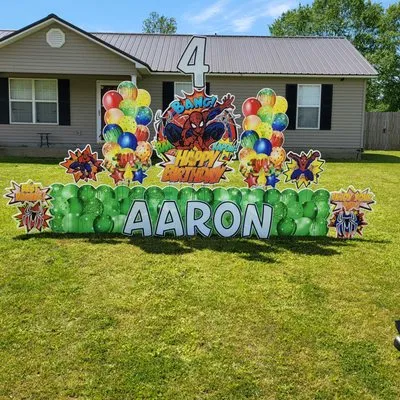
Express Your Yard is a Jackson, TN-based landscaping company dedicated to helping local homeowners maintain beautiful, healthy outdoor spaces. We specialize in comprehensive landscape maintenance, law...
Jase's Landscaping is a trusted local landscaping company serving homeowners in Finley, TN. We specialize in addressing common local landscaping challenges, particularly irrigation timer failures and ...
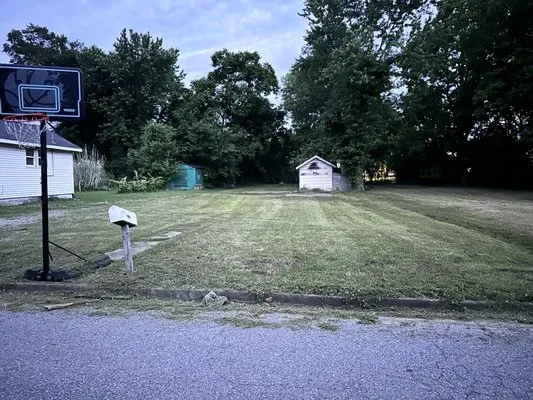
Hogg Lawncare is your trusted local expert for a healthy, vibrant lawn in Dyersburg, TN. We understand the specific challenges Dyersburg properties face, from persistent sprinkler leaks that waste wat...
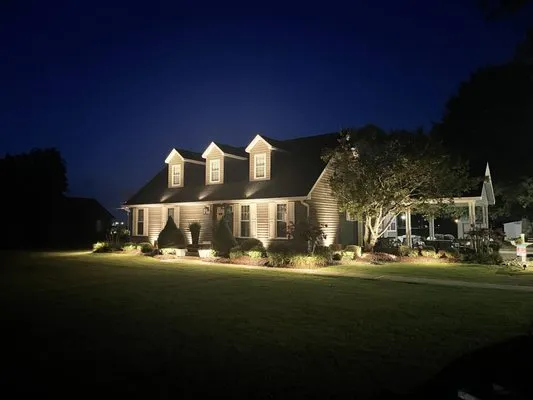
Tri-County Turf Solutions is a family-owned lawn care business serving Obion, TN, and surrounding areas since 2020. Founded by local residents who recognized a need for reliable, honest lawn services ...
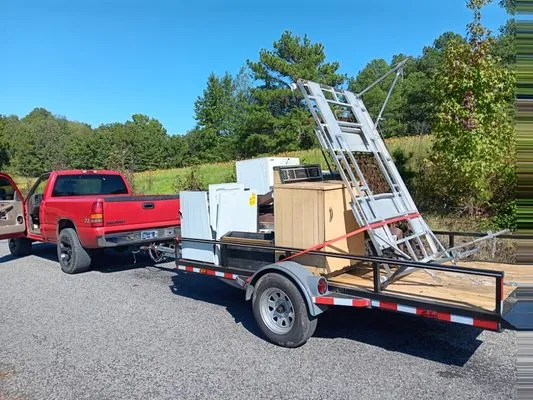
The Better Choice Junk And Lawn Care is a family-owned business in Martin, TN, providing comprehensive junk removal and lawn care services. After operating as a side hustle for over a year, we've tran...

Mid-South Lawn Patrol, serving the Ripley and West Tennessee area since 2019, is a trusted provider of comprehensive residential and commercial property maintenance. Our team of experienced profession...
Murchison Lawn Care is your trusted local partner in Henning, TN, dedicated to maintaining and restoring the health of your lawn. We understand the common challenges homeowners face, such as disruptiv...
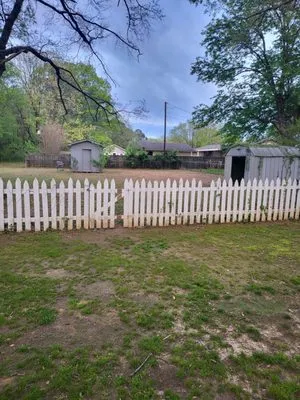
TV Lawn Care And More is a trusted lawn service provider in Jackson, TN, specializing in comprehensive lawn care solutions tailored to the local climate and common property challenges. We understand t...
Estimated Landscaping Service Costs in Dyersburg, TN
Question Answers
How do we maintain Tall Fescue turf while following water conservation guidelines?
Wi-Fi ET-based weather sensing irrigation systems calculate evapotranspiration rates to deliver precise water amounts. This technology adjusts schedules based on real-time weather data, preventing overwatering during rainy periods. For Dyersburg's standard conservation status, these systems typically reduce water use by 20-30% while preserving turf health. Deep, infrequent watering encourages deeper root systems that better withstand summer heat stress.
What invasive species should we watch for, and how do we treat them safely?
Japanese stiltgrass and Chinese privet present significant invasion risks in USDA Zone 7b. Manual removal before seed set is most effective for small infestations. For chemical control, select herbicides that comply with Tennessee's Best Management Practices prohibiting phosphorus on established lawns. Time applications to avoid blackout dates during peak growing seasons. Always identify invasives through extension service verification before treatment to protect native plant communities.
How do concrete pavers compare to wood for durability and fire safety?
Concrete pavers and crushed limestone offer superior longevity with minimal maintenance compared to wood's decay susceptibility. These materials maintain structural integrity for decades without treatment chemicals. For moderate Firewise USA compliance zones, non-combustible hardscapes create defensible space by interrupting fuel continuity. Their permeability also manages runoff better than solid surfaces, addressing both fire safety and drainage concerns in high-risk areas.
What are the benefits of replacing high-maintenance turf with native plants?
Transitioning to Purple Coneflower, Butterfly Weed, Switchgrass, and Black-eyed Susan reduces mowing frequency from weekly to seasonal maintenance. These natives require minimal irrigation once established and support local pollinator populations. Electric equipment for native bed maintenance stays ahead of evolving noise ordinance restrictions on gas-powered blowers. This approach aligns with 2026 biodiversity standards while creating resilient, self-sustaining landscapes.
Our Fairgrounds District home was built around 1975. What should we know about our soil after 50+ years?
Properties built in 1975 have soil that has matured for over 50 years. Memphis Silt Loam soil in this neighborhood typically develops compaction layers that restrict root growth and water permeability. Core aeration every 1-2 years is essential to break up these layers and improve oxygen exchange. Adding organic amendments like composted leaf mold can enhance soil structure and support microbial activity in this pH 6.0-6.5 environment.
What permits and licensing are required for grading work on our quarter-acre lot?
Significant grading on 0.25-acre properties requires permits from the Dyersburg Building & Codes Department to ensure proper drainage and erosion control. Contractors must hold appropriate licensing through the Tennessee Department of Commerce and Insurance, particularly for earthmoving exceeding 18 inches of elevation change. Unlicensed grading can violate municipal codes and create liability issues. Always verify contractor credentials before beginning landscape alterations that affect water flow patterns.
Our yard has moderate runoff and seasonal silting issues. What drainage solutions work with Memphis Silt Loam?
Memphis Silt Loam's fine particles create slow percolation rates that exacerbate runoff. Installing permeable concrete pavers or crushed limestone pathways allows water infiltration while meeting Dyersburg Building & Codes Department runoff standards. French drains with clean gravel layers redirect water away from foundations. Grading adjustments of 1-2% slope toward drainage swales can effectively manage seasonal silting in 0.25-acre lots.
We need emergency storm cleanup to meet HOA compliance deadlines. How quickly can you respond?
Our dispatch from Dyersburg City Park via I-155 allows arrival within 20-30 minutes during peak response times. We coordinate with local authorities to prioritize blocked driveways and hazardous limb removal. Electric maintenance equipment operates quietly within standard noise restrictions that prohibit power equipment before 7:00 AM. This rapid response minimizes property damage while maintaining neighborhood safety standards.
