Top Landscaping Services in Dyer, TN, 38330 | Compare & Call

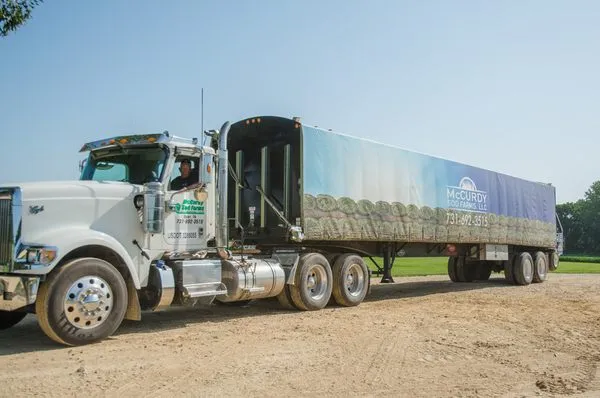
McCurdy Sod Farms has been a trusted local resource in Dyer, Tennessee since 1985, cultivating premium natural grass varieties across 500 acres. We specialize in Tifway 419 Bermuda, TifTuf Bermuda, Me...
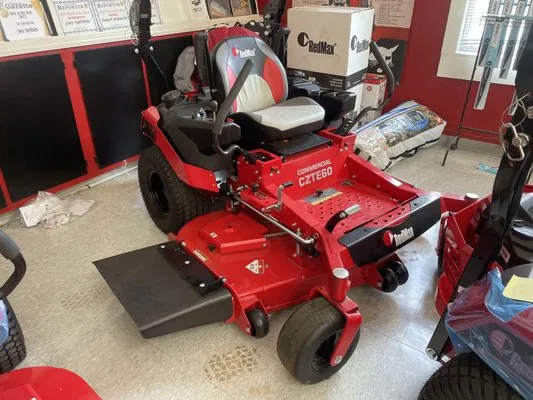
Cutting Edge Lawn Service is a Dyer-based lawn care company owned and operated by James Finney. With over a decade of experience since starting his first service in central Michigan in 2011, James bri...

Jones Lawn Care is your trusted local lawn care and junk removal service in Dyer, TN. We specialize in comprehensive lawn care and efficient junk pickup, helping homeowners maintain healthy, beautiful...
C&D Services is a trusted, multi-skilled contractor based right here in Dyer, TN. We provide comprehensive solutions for homeowners facing common local property challenges, from storm-damaged yards to...
S and P Mowing is a trusted, locally owned lawn care service serving Dyer, TN. We understand the common local challenges homeowners face, such as soil compaction and sprinkler leaks, which can prevent...
FAQs
Are concrete pavers better than wood for durability and safety?
Concrete pavers offer 25-30 year lifespans versus wood's 10-15 years in Dyer's humid climate, with minimal maintenance beyond occasional joint sand replenishment. Their non-combustible nature supports Low Fire Wise ratings by creating defensible space without adding fuel loads near structures. Interlocking paver systems accommodate ground movement better than poured concrete in expansive soils. Proper base preparation with geotextile fabric and compacted gravel prevents settling issues common in silt loam substrates.
Why does my Central Dyer yard have drainage issues and compacted soil?
Dyer's Memphis Silt Loam soil naturally has moderate permeability, but in Central Dyer's 1970-built lots, 56 years of foot traffic and equipment weight have increased compaction. This silt loam's pH of 6.2-6.8 supports microbial life, yet compaction reduces pore space needed for water infiltration and root growth. Annual core aeration combined with 0.5 inches of compost topdressing can restore soil structure within two growing seasons. The organic matter amendment will also buffer pH fluctuations common in aging residential soils.
How do I maintain Tall Fescue without violating water conservation guidelines?
Wi-Fi ET-based weather sensing irrigation calculates actual evapotranspiration using local weather data, applying water only when soil moisture drops below optimal levels for Tall Fescue. This system typically reduces water use 30-40% compared to traditional timers while maintaining turf health. Programming follows Dyer's voluntary conservation principles by skipping cycles after measurable rainfall. The technology adjusts runtime based on temperature, humidity, and wind data specific to Central Dyer's microclimate.
What permits and licenses are needed for grading my 0.25-acre lot?
Grading that alters drainage patterns or moves more than 50 cubic yards of soil requires a Dyer City Hall Planning Department permit to ensure compliance with erosion control standards. Contractors must hold Tennessee Department of Commerce and Insurance licensing for earthwork exceeding $25,000 in value. On 0.25-acre lots, even modest regrading often triggers review due to potential impacts on adjacent properties' drainage. Licensed professionals carry insurance covering subsurface utility strikes and soil stability failures.
How do I manage invasive species without chemical overuse?
Japanese stiltgrass and Chinese privet pose the highest invasion risks in Central Dyer's disturbed soils. Manual removal before seed set in late summer prevents spread without chemicals. For persistent infestations, targeted glyphosate applications during active growth phases avoid state-regulated phosphorus restrictions. Treatment timing must consider soil test results and avoid blackout dates specified in Tennessee's fertilizer protocols. Mycorrhizae inoculants applied after removal help native plants outcompete returning invaders.
What solutions address seasonal silting and runoff in my yard?
Memphis Silt Loam's moderate runoff characteristics require graded swales directing water away from foundations toward infiltration zones. Installing permeable concrete pavers in walkways and patios increases surface permeability by 50-80% compared to solid concrete. These systems must meet Dyer City Hall Planning Department's runoff standards, which typically require capturing the first inch of rainfall on-site. French drains with clean gravel layers prevent the seasonal silting that clogs traditional drainage systems in silt loam soils.
How quickly can you respond to storm damage for HOA compliance?
Emergency cleanup crews dispatch from Dyer City Park with equipment loaded for immediate response. Using US-45W access, most Central Dyer properties receive service within 20-30 minutes during peak storm events. The route prioritizes arterial roads to bypass localized flooding that often affects secondary streets. Crews carry electric chainsaws and compact loaders that operate within standard noise limits of 7:00 AM to 9:00 PM for rapid debris management.
Can I reduce maintenance while supporting local pollinators?
Replacing high-maintenance turf with Purple Coneflower, Butterfly Milkweed, and Little Bluestem creates a low-input landscape that supports 2026 biodiversity standards. These natives require no fertilization beyond initial establishment and thrive in Dyer's Zone 7b climate with minimal irrigation. The transition reduces mowing frequency from weekly to seasonal, aligning with evolving noise ordinances that increasingly restrict gas-powered equipment. Eastern Redbud trees provide structure while supporting native bee populations through early spring blooms.
