Top Landscaping Services in Carthage, TN, 37030 | Compare & Call

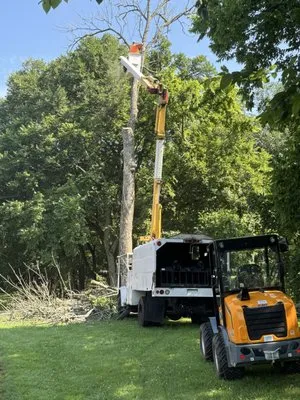
White Land Management is a Carthage-based company dedicated to enhancing and maintaining properties throughout Smith County and the surrounding region. We specialize in a comprehensive range of servic...

Henson Lawn Services is a trusted local lawn care provider serving Carthage, TN, and surrounding areas. We specialize in comprehensive lawn care solutions designed to address common local landscaping ...
Thin Line Cuts & Landscape is a Carthage-based landscaping company dedicated to enhancing local outdoor spaces with precision and care. We specialize in addressing common yard drainage problems and st...
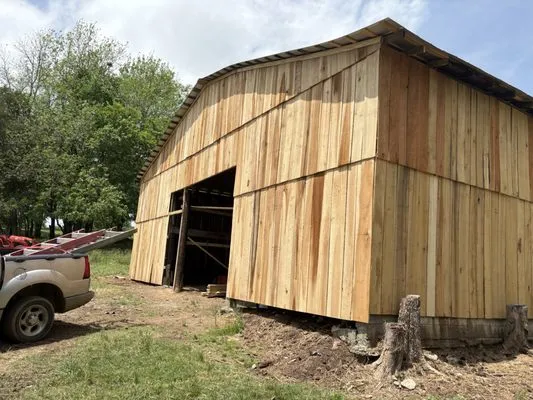
Carthage Handyman Services is your trusted, local expert for a wide range of home and yard needs in Carthage, TN. We specialize in professional deck construction, repair, and replacement, ensuring you...

Tommy Cooper Lawn Service is a trusted local lawn care provider serving Carthage, TN homeowners. We specialize in comprehensive lawn maintenance to address common local landscaping challenges like pat...
K & L Lawn Care is a trusted, locally-owned lawn service provider dedicated to helping Carthage homeowners achieve and maintain healthy, beautiful yards. We understand the common local challenges of s...
Questions and Answers
My Downtown Carthage yard seems compacted and struggles to grow grass. Could this be related to the age of my property?
Properties built around 1961 have 65-year-old soil systems that often show compaction issues. Downtown Carthage lots typically feature acidic silt loam soil with pH 6.2-6.5, which naturally develops dense layers over decades. This soil type benefits from annual core aeration to improve oxygen exchange and water infiltration. Incorporating 2-3 inches of composted organic matter each spring addresses nutrient depletion while maintaining proper soil structure for plant health.
What landscape changes can reduce maintenance while preparing for potential gas-blower restrictions?
Replacing high-maintenance turf areas with native plantings creates resilient landscapes that require minimal intervention. Purple coneflower, eastern redbud, switchgrass, and black-eyed Susan establish deep root systems that suppress weeds naturally. These natives thrive in USDA Zone 7b conditions with infrequent watering once established. Transitioning to electric maintenance equipment now positions properties ahead of evolving noise ordinances while reducing carbon emissions by 80-90% compared to gas-powered alternatives.
What permits and licenses are required for grading work on my quarter-acre lot?
Grading projects on 0.25-acre lots typically require erosion control permits from the Carthage Building & Zoning Department when disturbing more than 1,000 square feet. Contractors must hold active licensing through the Tennessee Department of Commerce and Insurance - Board for Licensing Contractors, specifically classification for excavation or landscaping. Professional licensing ensures compliance with state sediment control regulations and proper implementation of drainage solutions. Unlicensed grading risks fines and may void property insurance coverage for related damage.
I need emergency storm cleanup to meet HOA compliance deadlines. How quickly can a crew reach my Downtown Carthage location?
Emergency response crews dispatch from the Smith County Courthouse area and travel via TN-25/US-70N to reach Downtown Carthage properties within 20-30 minutes during peak conditions. This routing avoids typical congestion points while allowing for equipment transport. Crews coordinate arrival timing based on real-time traffic data to ensure compliance deadlines are met. The standard response window accommodates both debris removal and safety assessment protocols.
What invasive species should I watch for in Smith County, and how do I treat them safely?
Japanese stiltgrass and Chinese privet present significant invasion risks in Carthage's acidic soils, outcompeting native vegetation. Manual removal before seed set proves most effective for small infestations, while targeted herbicide applications require careful timing. Treatments must avoid Tennessee's BMPs for phosphorus application near waterways, particularly during spring runoff periods. Implementing preventive measures like maintaining dense native plantings creates natural barriers against invasive establishment without chemical dependency.
Is Tennessee fieldstone or wood better for long-lasting hardscape features in our climate?
Tennessee fieldstone offers superior longevity with minimal maintenance compared to wood in Zone 7b conditions. Natural stone withstands freeze-thaw cycles without deterioration and requires no sealing or replacement. For properties participating in Firewise USA programs, fieldstone provides non-combustible defensible space around structures. Its thermal mass moderates temperature extremes while creating permanent landscape features that integrate seamlessly with native plantings for cohesive design.
How can I maintain healthy Tall Fescue turf while following Carthage's voluntary water conservation guidelines?
Wi-Fi ET-based weather sensing irrigation systems automatically adjust watering schedules using real-time evapotranspiration data from local weather stations. These systems reduce water usage by 20-40% compared to traditional timers while maintaining Tall Fescue health. Programming follows municipal water limits by skipping cycles during rainfall events and reducing runtime during cooler periods. This technology ensures turf receives precise moisture levels without exceeding conservation thresholds.
My yard has moderate runoff issues after heavy rains. What solutions work with Carthage's acidic silt loam soil?
Clay-heavy subsoil compaction beneath acidic silt loam creates permeability challenges that require layered solutions. Installing French drains with clean gravel backfill improves subsurface drainage while preventing soil erosion. Using permeable Tennessee fieldstone for walkways and patios meets Carthage Building & Zoning Department runoff standards by allowing water infiltration. Grading adjustments that direct flow to rain gardens or bioswales further manage surface water without overwhelming municipal systems.
