Top Landscaping Services in Bristol, TN, 24205 | Compare & Call
There are 126 landscaping companies server in Bristol TN
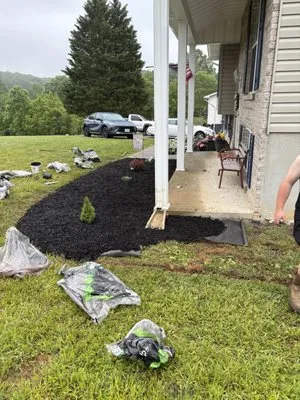
Logan's Mowing is a locally owned and operated lawn service business in Bristol, TN, founded by Logan. We specialize in comprehensive lawn care solutions, including mowing, edging, and mulching, to he...
Roberts' Tree and Lawn Service
Roberts' Tree and Lawn Service is a trusted Bristol, TN-based provider offering comprehensive outdoor solutions for homeowners. Specializing in tree services, lawn care, and excavation, we address com...
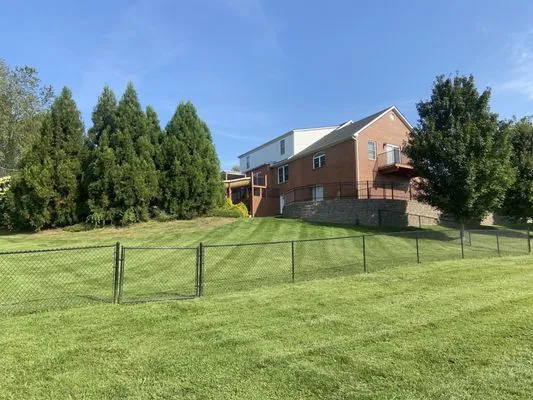
James Lawn Care And More is a trusted local lawn service provider in Bristol, TN, dedicated to keeping your outdoor spaces healthy and beautiful. We specialize in comprehensive lawn care solutions tai...
David & Samantha's Clean Up Services is a Bristol, TN-based landscaping business dedicated to helping local homeowners and businesses maintain their outdoor spaces. We specialize in addressing the fre...
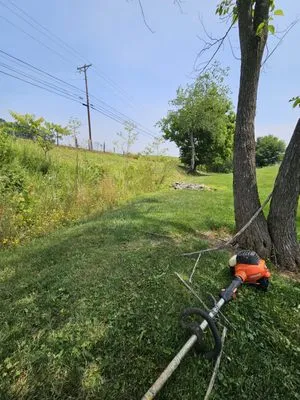
Country Side Mowing in Bristol, TN is a locally owned and operated lawn care business that started in 2019 with a passion for outdoor work. What began as a part-time venture mowing a few yards after a...
Back To Chorin Handyman Service in Blountville, TN, is your trusted local expert for handyman, lawn, and pressure washing needs. We specialize in appliance installation and repair, door installation a...
Buckle's Lawn Care is a trusted local landscaping company serving Bristol, TN homeowners. We specialize in addressing common local landscaping challenges like landscape edging damage and bare lawn pat...
Jake's Landscaping And Lawn Care is a trusted local provider in Shady Valley, TN, specializing in comprehensive lawn and tree services. We understand the unique challenges Shady Valley homeowners face...
Tri Star Lawns is a trusted Bristol, TN lawn care provider specializing in solutions for common local landscaping challenges. We understand that tree root damage and poor lawn grading are frequent iss...
Manuel Mowing is a Blountville-based landscaping company dedicated to tackling the unique lawn challenges faced by local homeowners. We specialize in diagnosing and resolving common issues like poor l...
Estimated Landscaping Service Costs in Bristol, TN
Questions and Answers
What invasive species threaten Bristol landscapes and how are they managed?
Japanese stiltgrass and Chinese privet present significant invasive risks in USDA Zone 7a, outcompeting natives and reducing biodiversity. Treatment involves targeted herbicide applications during active growth phases, carefully timed outside Tennessee's BMP nutrient management blackout dates. Manual removal before seed set combined with pre-emergent barriers provides effective control. These methods preserve soil mycorrhizae networks while preventing chemical runoff into watersheds, maintaining ecological balance.
Why does my Highland Park lawn struggle despite regular care?
Bristol's Highland Park neighborhood has acidic silty clay loam soil with pH 5.8-6.2, typical for lots developed around 1970. With 56 years of soil maturity since construction, compaction from decades of foot traffic and mowing has reduced permeability to 0.1-0.3 inches per hour. This soil profile requires core aeration every 12-18 months and organic amendments like composted pine bark to improve structure. Without these interventions, root zones remain shallow and nutrient uptake becomes inefficient.
What solutions address runoff issues in clay-heavy yards?
Moderate runoff from Bristol's silty clay loam requires permeability improvements through strategic grading and channel drains. Tennessee sandstone hardscape installations with open-joint patterns allow 40-60% water infiltration, meeting Bristol Planning and Development Services runoff standards. French drains wrapped in non-woven geotextile filter clay particles while directing water away from foundations. These systems combine to reduce surface water accumulation and prevent soil saturation during heavy precipitation events.
How quickly can you respond to storm damage for HOA compliance?
Emergency cleanup crews dispatch from Bristol Motor Speedway via I-81, reaching Highland Park within 20-30 minutes during peak conditions. This routing avoids downtown congestion while maintaining compliance with municipal noise ordinances between 07:00-22:00. Response teams prioritize safety assessments, debris removal, and temporary stabilization to meet HOA deadlines. Electric equipment fleets operate within decibel limits while providing immediate site security.
Why choose Tennessee sandstone over wood for outdoor structures?
Tennessee sandstone offers superior longevity with 50-75 year service life compared to wood's 15-25 years in Bristol's climate. The material's non-combustible properties support Moderate WUI Zone 2 fire-wise compliance by creating defensible space around structures. Sandstone requires minimal maintenance, resisting moisture damage and insect infestation that plague wooden alternatives. Its thermal mass moderates temperature fluctuations while providing permanent, low-profile hardscape that integrates with native plantings.
What regulations apply to grading work on quarter-acre lots?
Grading projects on 0.25-acre properties require permits from Bristol Planning and Development Services to ensure proper drainage and erosion control. Contractors must hold landscaping licenses through the Tennessee Department of Commerce and Insurance, verifying competency in soil mechanics and stormwater management. These regulations prevent downstream sedimentation and maintain lot-to-lot water flow patterns. Professional licensing ensures compliance with state BMPs for nutrient management during soil disturbance and revegetation phases.
Can I maintain Tall Fescue turf while conserving water?
Smart Wi-Fi ET-based weather sensing irrigation systems preserve Tall Fescue while operating within Bristol's normal water restrictions. These controllers calculate evapotranspiration rates using local weather data, adjusting schedules to deliver 0.75-1.25 inches weekly during peak season. The technology reduces water use 30-40% compared to traditional timers by eliminating irrigation during rainfall. This approach maintains turf health while supporting municipal conservation goals through precise moisture management.
How can I reduce maintenance while supporting local ecology?
Replacing high-maintenance turf with native plantings like Purple Coneflower, Butterfly Weed, Switchgrass, and Black-eyed Susan creates resilient landscapes. These species require minimal irrigation once established and provide habitat for pollinators, supporting 2026 biodiversity standards. The transition reduces mowing frequency and eliminates gas-powered blower use ahead of tightening noise ordinances. Native root systems improve soil structure while reducing fertilizer needs by 70-80% compared to traditional lawns.
