Top Landscaping Services in Bells, TN, 38006 | Compare & Call

There are 67 landscaping companies server in Bells TN
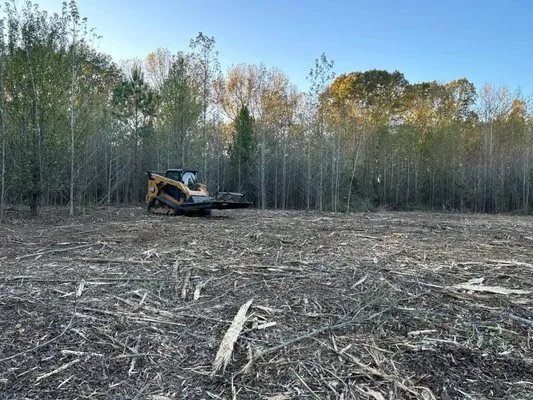
JR's Land Management is a dedicated Arlington, TN, company serving the community with a full suite of excavation and landscaping services. We believe our customers are the foundation of our business, ...
Royals Homes is a trusted home services provider in Memphis, TN, with five years of experience helping local residents maintain and improve their properties. We specialize in a comprehensive range of ...
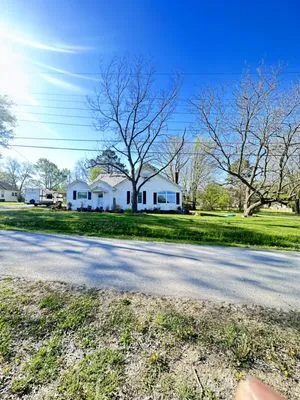
Northern Lights Landscaping and Lawn is a dedicated local lawn care provider serving Jackson, TN, and the surrounding area. We specialize in comprehensive lawn care solutions designed to tackle the co...
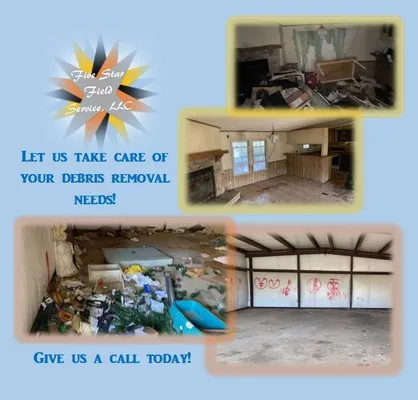
Five Star Field Service
Five Star Field Service in Jackson, TN is a locally-owned business with over a decade of experience serving the community. We specialize in property management, lawn services, and junk removal, focusi...
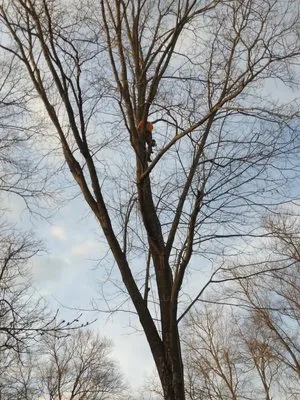
Target Property Services LLC in Cedar Grove, TN, is a versatile property maintenance provider that bridges the gap between routine landscaping and heavy-duty debris management. We believe true propert...

AAA Tree Service is a family-owned and operated business proudly serving Trenton and West Tennessee with over four generations of experience in tree care and logging. We are a local team that genuinel...

Diamond Clippers Landscaping
Diamond Clippers Landscaping is a full-service landscaping company serving Jackson, TN, specializing in comprehensive solutions for residential and commercial properties. We address common local issue...
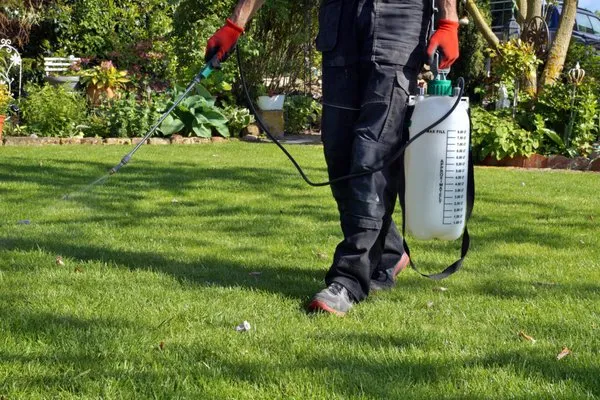
St. Patrick's Landscaping is a licensed and insured family-owned business serving Jackson, TN, with expertise in lawn care, landscape design, and pressure washing. Our team is dedicated to transformin...
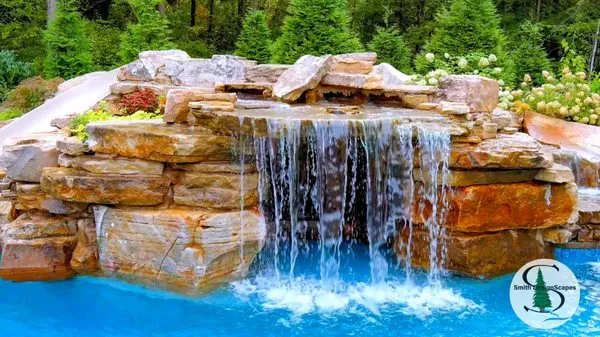
Smith DesignScapes is a full-service landscaping firm based in Jackson, TN, with over 20 years of dedicated service to West and Middle Tennessee. Founded and led by owner Richard Smith, the company bu...
Hedge Lawncare Services
Hedge Lawncare Services is a full-service landscaping and tree care company serving Henderson, TN, and surrounding areas. We specialize in comprehensive solutions for local homeowners facing common la...
Estimated Landscaping Service Costs in Bells, TN
Frequently Asked Questions
Should I replace high-maintenance grass with native plants?
Transitioning to Purple Coneflower, Butterfly Milkweed, Switchgrass, and Black-eyed Susan reduces mowing frequency and supports 2026 biodiversity standards. Native plantings require less water than traditional turf and provide habitat for pollinators. This approach aligns with evolving noise ordinances that restrict gas-powered blowers during extended maintenance periods. Established native landscapes demonstrate fire-wise compliance through strategic plant spacing and moisture retention.
How do I manage invasive species without violating fertilizer regulations?
Japanese stiltgrass and Chinese privet pose significant threats in USDA Zone 7b. Manual removal before seed set combined with targeted herbicide applications during active growth periods controls spread. All treatments follow state-regulated BMPs to prevent direct runoff into waterways. Timing applications outside local fertilizer ordinance blackout dates ensures environmental compliance while protecting desirable native vegetation.
How can I maintain healthy turf without wasting water in Bells?
Wi-Fi ET-based weather sensing irrigation calculates evapotranspiration rates to deliver precise water amounts. This system preserves Tall Fescue or Kentucky Bluegrass while staying within municipal water limits during normal operations. Programming adjusts for Memphis Silt Loam's water retention characteristics, preventing runoff. Regular system audits ensure uniform coverage and identify leaks before they impact water usage.
How quickly can you respond to an emergency tree cleanup after a storm?
Emergency storm response from Bells City Hall via US-412 typically takes 20-30 minutes during peak conditions. Our electric maintenance fleet operates within standard quiet hours (10 PM to 7 AM) to minimize noise disruption. We prioritize HOA compliance issues with same-day assessment, coordinating with local utilities for safe debris removal. Route optimization ensures efficient access to Downtown Bells properties regardless of traffic patterns.
Are concrete pavers better than wood for Bells patios?
Concrete pavers outperform wood in longevity, requiring minimal maintenance compared to seasonal sealing or replacement. Their non-combustible nature supports low fire-wise ratings by creating defensible space around structures. Proper installation with geotextile fabric and angular gravel base prevents shifting in Memphis Silt Loam. Paver systems allow for expansion or reconfiguration as landscape needs evolve over decades.
Why does my Downtown Bells lawn have drainage issues and poor grass health?
Properties in Downtown Bells built around 1993 have Memphis Silt Loam soil that has matured for 33 years. This soil type naturally compacts over time, reducing permeability and creating seasonal saturation. Core aeration every 2-3 years with organic amendments like compost improves soil structure and water infiltration. The pH range of 6.2-6.5 is ideal for Tall Fescue but requires regular soil testing to maintain nutrient availability.
What solutions exist for moderate runoff in my Bells yard?
Seasonal saturation in Memphis Silt Loam requires graded swales or French drains to redirect water flow. Permeable concrete pavers meet Bells City Hall Planning Department runoff standards by allowing water infiltration. Installing rain gardens with native plants in low-lying areas captures runoff while improving soil structure. These approaches address moderate drainage hazards without requiring extensive regrading permits.
What permits and licenses are needed for grading my 0.35-acre lot?
Grading work exceeding 100 cubic yards requires a permit from Bells City Hall Planning Department. Contractors must hold Tennessee Department of Commerce and Insurance licensing for earth moving operations. Professional landscape architects should design drainage solutions that comply with municipal runoff standards. On lots this size, improper grading can create downstream erosion liabilities, making licensed expertise essential for regulatory compliance.
