Top Landscaping Services in Adamsville, TN, 38310 | Compare & Call

Pinehill Lawn Service is a locally owned and operated lawn care and pressure washing business serving Adamsville, TN. We specialize in comprehensive lawn maintenance, including mowing, trimming, and f...
Busters' Lawn Care in Adamsville, TN, is your go-to local team for keeping your property in great shape. Owned and operated by a dedicated professional, we take care of everything from routine lawn mo...
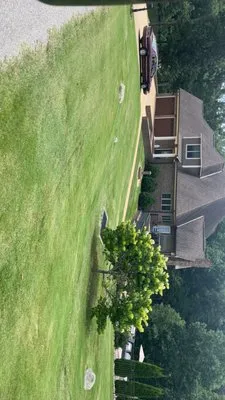
Brown’s Lawn Care is a trusted, locally-owned lawn service provider dedicated to keeping Adamsville properties looking their best. We specialize in comprehensive lawn care, including precise mowing, e...
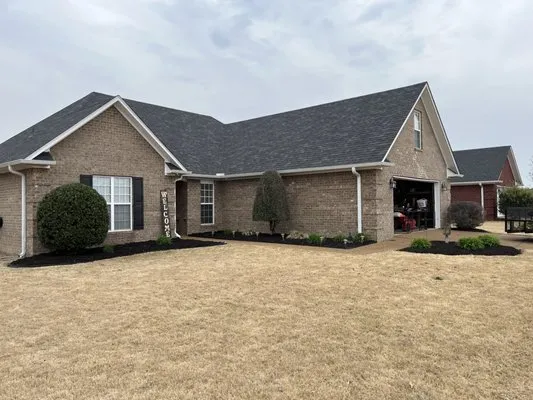
Chip Go Rilla is a local lawn care service in Adamsville, TN, dedicated to keeping your yard healthy and attractive. We focus on practical, effective solutions for common local lawn issues. Our approa...
Questions and Answers
Is there a lower-maintenance alternative to my high-water turf grass?
Transitioning to a xeriscape with native plants like Eastern Redbud, Switchgrass, and Purple Coneflower significantly reduces water and maintenance. These species are adapted to Zone 7b and require no weekly mowing or frequent blowing. This shift future-proofs your landscape against potential gas-blower restrictions under the city's noise ordinance.
What should I do about invasive weeds like Japanese Stiltgrass?
Japanese Stiltgrass is a primary invasive alert in our area. Manual removal before seed set is most effective. For persistent issues, targeted herbicide applications must follow state nutrient management guidelines, avoiding restricted dates. Promoting dense native ground cover like Butterfly Weed is the best long-term defense against invasion.
Why does regrading my 0.35-acre lot require a licensed contractor?
Significant grading alters water flow and soil stability, impacting your property and neighbors. The Adamsville Building & Zoning Department typically requires permits for such work. A contractor licensed by the Tennessee Board for Licensing Contractors carries the necessary insurance and expertise to execute the plan safely and to code, preventing future liability or drainage issues.
My yard gets muddy and silty after heavy rain. What's the solution?
Moderate runoff and silty sedimentation are common with acidic silt loam due to its low permeability. Installing permeable systems like dry creek beds with crushed limestone or gaps between concrete pavers can redirect water. These solutions often meet the Adamsville Building & Zoning Department's runoff management standards by increasing ground infiltration.
How fast can you respond to a storm damage emergency for HOA compliance?
For emergency cleanup to meet HOA deadlines, our standard dispatch from Adamsville City Hall uses US Highway 64. This routing ensures a 20-30 minute peak response time to Downtown Adamsville. We prioritize safety and debris removal to quickly restore property access and compliance, coordinating all actions with local ordinances.
How do I keep my lawn green during Stage 1 water restrictions?
Under voluntary conservation, smart Wi-Fi ET-based irrigation is essential. This technology uses local weather data to apply water only when Tall Fescue or Kentucky Bluegrass needs it, matching evapotranspiration rates. This method can reduce water use by 20-30% while maintaining turf health, aligning perfectly with municipal water stewardship goals.
Are concrete pavers better than wood for a new patio?
Concrete pavers offer superior longevity and lower maintenance than wood in Adamsville's climate. They also contribute to a defensible space, which is recommended for the Low to Moderate Wildland-Urban Interface risk rating here. Unlike wood, pavers do not decompose or require chemical treatments, providing a permanent, fire-wise hardscape solution.
Why does my soil seem so compacted and acidic?
Adamsville homes built around 1978, like many in Downtown Adamsville, have soil that has matured for nearly 50 years. This acidic silt loam naturally becomes dense and less permeable over time without intervention. To restore soil health, core aeration and adding organic compost are critical. These steps improve percolation and adjust pH, creating a better foundation for turf and plant roots.
