Top Landscaping Services in North Eagle Butte, SD, 57625 | Compare & Call
There are 27 landscaping companies server in North Eagle Butte SD
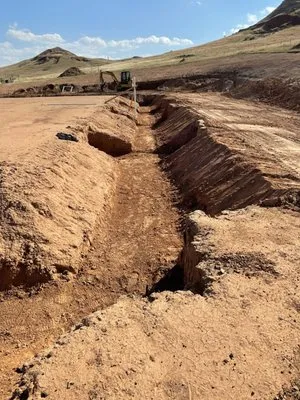
Twin Bridges is a Spearfish-based excavation and landscaping company providing comprehensive outdoor solutions for residential and commercial properties. We specialize in earthmoving, land clearing, i...

QaA Mowing is a trusted lawn care provider serving Custer, SD, specializing in comprehensive lawn maintenance to address common local landscaping challenges. We understand that issues like sprinkler l...

Twin City Turf is your trusted local lawn care provider in Pierre, SD. We specialize in comprehensive lawn maintenance, from routine mowing and fertilization to addressing the specific challenges face...
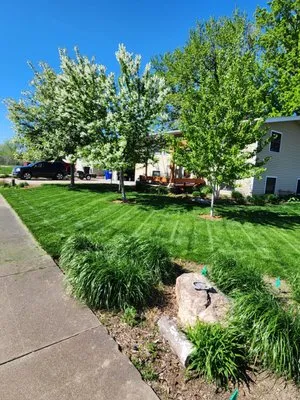
Nate's Landscaping is a trusted local business in Pierre, founded by Nate, a South Dakota State University graduate with a degree in Landscape Design. With over 30 years of combined commercial and res...
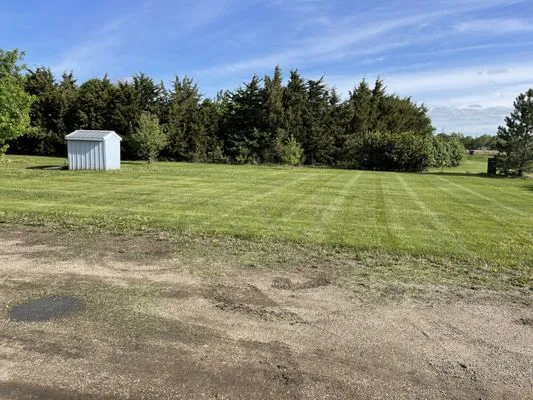
At LawnTek Landscape Services, we are Pierre's dedicated lawn care specialists, focused on enhancing the health and beauty of your property. We understand the unique challenges of maintaining a vibran...
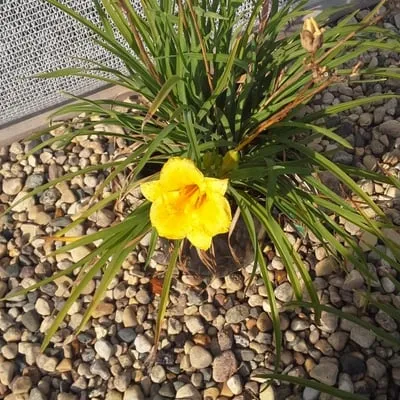
EZ Landscapes Nursery is your Pierre-based partner for solving common local landscaping challenges. We understand the specific issues homeowners in our area face, from the frequent storm debris that l...
Marshall Lawn Irrigation is a Pierre-based landscaping company specializing in irrigation solutions for local homeowners. In Pierre's climate, common issues like dying shrubs and standing water in yar...
Wagner Landscaping is a locally owned and operated Pierre business dedicated to solving the specific yard challenges faced by homeowners in South Dakota's capital city. We understand that the local cl...
East Pierre Landscape and Garden Center
East Pierre Landscape and Garden Center has been a trusted resource for Pierre, SD residents since 1952. We specialize in comprehensive landscaping and gardening solutions, from irrigation and greensc...
J Morin Landscaping & Irrigation is a trusted local business serving Onida, SD, specializing in comprehensive landscaping and irrigation solutions. Many homes in the area face common issues like sprin...
Estimated Landscaping Service Costs in North Eagle Butte, SD
Question Answers
What permits and credentials should I verify before hiring for a regrading project?
Any significant earthwork or grading on a 0.25-acre lot requires review by the Cheyenne River Sioux Tribe Land Office for compliance with drainage and erosion control plans. The contractor must hold appropriate licensing through the South Dakota Department of Labor and Regulation, which ensures they carry liability insurance and understand state BMPs for sediment control. Never hire an unlicensed entity for work that alters your property's drainage patterns.
Why does my soil seem so dense and hard to work with?
Your property's soil is the original alkaline silty clay loam from the site's 1973 development, making it 53 years old. This long-term compaction and high pH are typical for the Eagle Butte Residential District, where decades of minimal soil amendment have reduced permeability. Core aeration and incorporating 2-3 inches of composted organic matter annually are critical to improve soil structure and support root growth in this challenging profile.
What's the best way to fix seasonal ponding in my yard?
Moderate ponding is common here due to the low permeability of alkaline silty clay loam. The primary solution is creating positive drainage away from foundations using swales or French drains. For patios or paths, specifying permeable crushed granite or native fieldstone as a hardscape material increases ground absorption and helps projects meet the Cheyenne River Sioux Tribe Land Office's standards for managing on-site runoff.
What should I do if I spot Leafy Spurge or Canada Thistle in my garden?
These are high-priority invasive species that threaten native plant communities. Manual removal for small infestations is effective before seed set. For larger areas, targeted, professional-grade herbicide application is necessary, but it must be timed outside of any local Best Management Practices blackout dates designed to prevent nutrient and chemical runoff into our watersheds. Always dispose of plant material in trash bags, not compost.
Is crushed granite or fieldstone better for a patio than wood?
For longevity and fire resilience, inorganic materials are superior. Crushed granite and native fieldstone offer permanent, non-combustible surfaces that do not decompose or require chemical treatment. This is a key component of creating defensible space in our Moderate Fire Wise rating zone. These materials also handle our freeze-thaw cycles better than wood and complement the native landscape aesthetic without altering soil pH.
How quickly can you respond to an emergency storm cleanup to avoid HOA violations?
Our electric fleet is dispatched from near the Cheyenne River Sioux Tribe Administration Building. For emergency service in the Eagle Butte Residential District, we route via US Highway 212, planning for a 45-60 minute arrival during peak post-storm traffic. This allows for rapid debris management and turf remediation to meet local property maintenance standards without violating municipal quiet hours that begin at 10 PM.
How can I keep my Kentucky Bluegrass healthy during Stage 1 water restrictions?
Smart-controller ET-based drip zoning is the standard solution. This system uses local evapotranspiration data to apply water only when and where your turf needs it, directly to the root zone, minimizing evaporation. For our alkaline clay soils, this precise method prevents runoff and allows you to maintain turf health while adhering to voluntary conservation goals, often using 20-30% less water than traditional sprinklers.
Is there a lower-maintenance alternative to my traditional lawn?
Transitioning to a native grassland palette with species like Little Bluestem, Prairie Coneflower, and Leadplant is highly recommended. These deep-rooted perennials are adapted to Zone 4b, require no fertilization, minimal water once established, and only an annual mowing. This shift reduces reliance on gas-powered equipment ahead of tightening noise ordinances and supports local biodiversity and fire-wise principles for the Grassland Wildland-Urban Interface.
