Top Landscaping Services in Colonial Pine Hills, SD, 57702 | Compare & Call
There are 80 landscaping companies server in Colonial Pine Hills SD
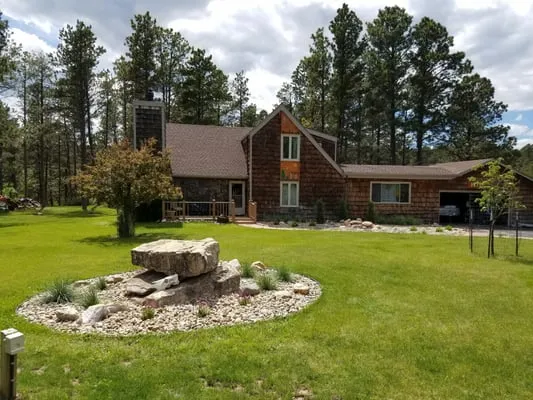
Natural Perspective, established in 2012, is a Rapid City landscaping company dedicated to creating beautiful, sustainable outdoor spaces that thrive in the South Dakota climate. We specialize in low-...
Karnucopia Landscaping is a trusted, locally-owned landscaping company serving Rapid City, SD, and the surrounding Black Hills area. We understand the unique challenges homeowners face in our region, ...

Fleming Bros Lawn Service is a locally owned and operated lawn care provider in Rapid City, SD, established in 1989. Starting with a single lawn mower, the business has grown into a family-run operati...
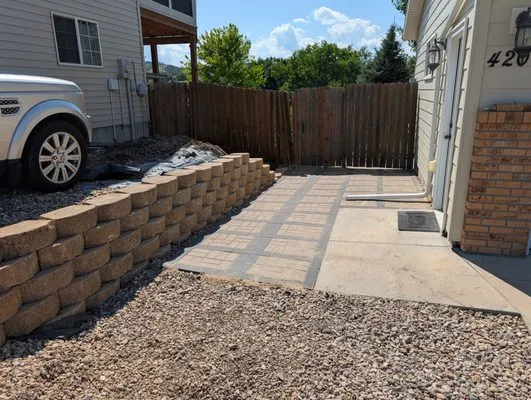
ProPreserve Solutions is a Rapid City-based company dedicated to helping local residents and businesses maintain and improve their properties through comprehensive junk removal, lawn care, and tree se...

Best Price Lawn Care & Landscaping is a Rapid City-based, locally owned company dedicated to keeping your commercial and residential properties pristine year-round. We understand the unique challenges...
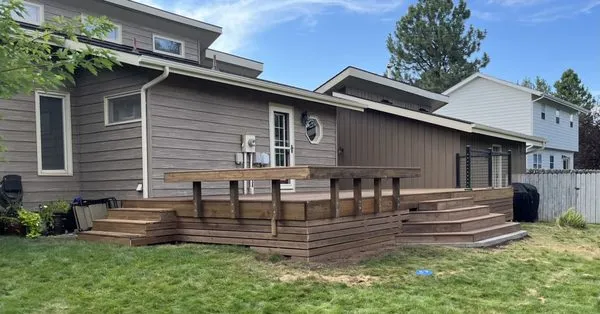
Level Up Construction & Landscaping is a trusted general contractor and landscaping company serving Rapid City, SD. We specialize in comprehensive home improvement and outdoor solutions, from deck con...

FixItFast is your trusted local handyman service in Rapid City, SD. We specialize in a wide range of home and property maintenance tasks, from routine upkeep to unexpected repairs. Our core services i...
At I & K’s Super Service, we're your local Rapid City partners dedicated to keeping your property looking its best through every season. As a small, owner-operated business, we take pride in providing...
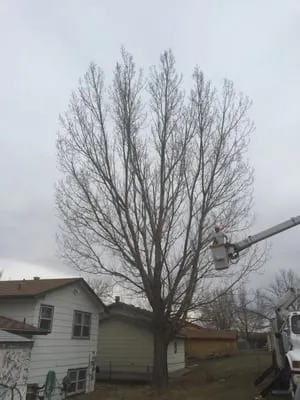
Escalante Tree and Lawn Care is a local, family-owned business serving Rapid City and the surrounding Black Hills area. Owner Roy Escalante brings a dedicated, hands-on approach to every project, spec...
Majestic Garden Landscaping is a trusted local landscaping company serving Rapid City and the surrounding Black Hills region. We specialize in solving the common yard problems faced by homeowners here...
Estimated Landscaping Service Costs in Colonial Pine Hills, SD
Question Answers
How fast can you respond to an emergency like storm damage?
An emergency cleanup for storm damage or HOA compliance can be dispatched immediately. Our fleet is routed from the Colonial Pine Hills Community Park to access I-90, providing direct access to Pine Hills Estates. Accounting for peak traffic, a dedicated crew can typically arrive on-site within the 20-30 minute window. This logistical planning is critical for securing properties and mitigating further damage from downed limbs or debris.
Do I need a permit to regrade part of my yard?
Yes, significant grading or earthwork on a 0.35-acre lot typically requires a permit from Pennington County Planning & Development. Regulations govern erosion control, stormwater management, and changes to drainage patterns. Furthermore, a contractor performing this work must hold appropriate licensing through the South Dakota Department of Labor and Regulation. This ensures the work meets engineering and environmental standards, protecting your property and the watershed.
Why is my soil so hard and dense?
Lots in Pine Hills Estates, developed around 1990, have soil profiles typical of 35-year-old construction sites. The original topsoil was likely stripped and compacted by heavy machinery, leaving a dense silty clay loam subsoil. This material, with a pH of 7.2, compacts easily, limiting water percolation and root penetration. Core aeration in spring and fall, coupled with adding compost, is essential to build soil structure and organic matter, mimicking a mature, healthy ecosystem.
My yard has soggy spots every spring. What's the fix?
Moderate seasonal ponding is a common issue in our silty clay loam soils due to low permeability. The primary solution involves improving subsurface drainage through techniques like French drains or dry wells. For hardscape areas, using permeable materials like crushed granite or permeable concrete pavers is recommended. These allow stormwater to infiltrate on-site, which often aligns with Pennington County Planning & Development standards for managing runoff.
Are permeable pavers or wood better for a new patio?
For longevity and low maintenance in Colonial Pine Hills, inorganic materials like permeable concrete pavers or crushed granite are superior to wood. They resist frost heave, do not rot, and require no sealing or staining. From a fire mitigation perspective, these non-combustible materials are recommended for creating defensible space in Moderate (WUI Zone 2) risk areas. Their permeability also directly addresses the site's drainage needs.
How do I water my lawn effectively with voluntary restrictions?
Stage 1 voluntary conservation in Colonial Pine Hills requires efficient water management. Smart Wi-Fi ET-based irrigation controllers are the standard solution, automatically adjusting schedules based on real-time evapotranspiration data. This technology ensures your Kentucky Bluegrass and Fine Fescue blend receives precisely the water it needs, avoiding waste. It directly supports municipal water conservation goals while maintaining turf health through our dry summer periods.
Is there a lower-maintenance alternative to my traditional lawn?
Transitioning high-input turf areas to a climate-adaptive xeriscape is a forward-thinking strategy. Using a palette of regional natives like Little Bluestem, Prairie Dropseed, and Purple Coneflower creates a resilient, biodiverse landscape. These deep-rooted plants require minimal water, no regular mowing, and provide critical habitat. This approach also reduces reliance on gas-powered equipment, future-proofing your property against evolving noise and emissions ordinances.
What invasive species should I watch for, and how do I control them?
Common invasive alerts for Zone 4b include Leafy Spurge and Canada Thistle. Effective control combines mechanical removal before seed set with targeted, systemic herbicide applications. All treatments must comply with local ordinance, which prohibits Phosphorus applications within 50 feet of any water body. A professional management plan will schedule interventions outside of blackout dates and prioritize soil health to help native species outcompete invaders.
