Top Landscaping Services in Brandon, SD, 57005 | Compare & Call

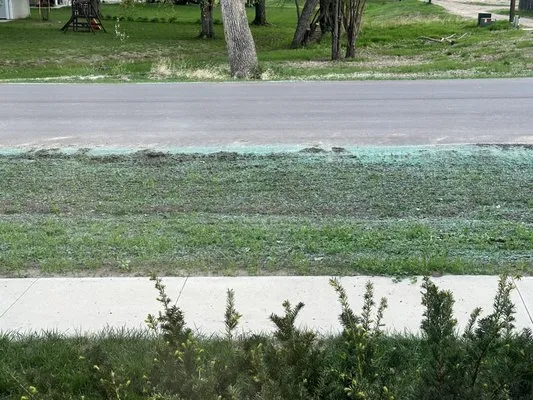
Serving the Brandon, South Dakota community since 1976, Splitrock Landscaping & Nursery is a full-service provider dedicated to enhancing local properties. We combine our deep-rooted nursery expertise...
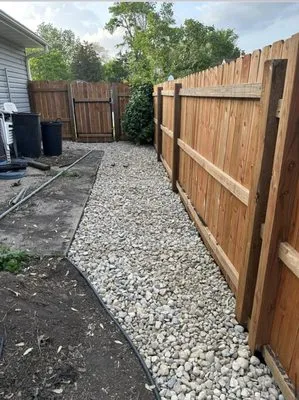
KB Lawn Care is your trusted local lawn service provider in Brandon, SD. We specialize in comprehensive lawn care to keep your yard healthy and vibrant throughout the seasons. A common challenge for B...
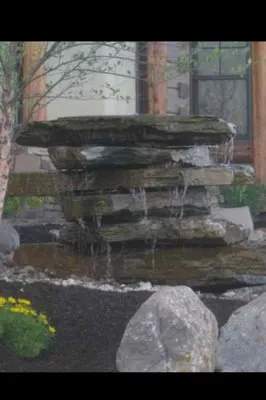
Chris Hood Landscaping is a trusted local provider serving Brandon, SD, dedicated to solving common residential landscaping problems. We understand that issues like persistent sprinkler system leaks a...

Kc's Landscaping is a trusted local landscaping company serving Brandon, SD, and the surrounding area. We specialize in addressing common local landscaping challenges, particularly dying shrubs and la...
DDO Lawn Service and Home Care is your trusted local provider for professional lawn care in Brandon, SD. We understand that many homeowners in our community struggle with common landscaping challenges...
KW Lawn Care is a trusted local provider in Brandon, SD, offering comprehensive lawn care and snow removal services to help homeowners maintain their properties year-round. We specialize in addressing...
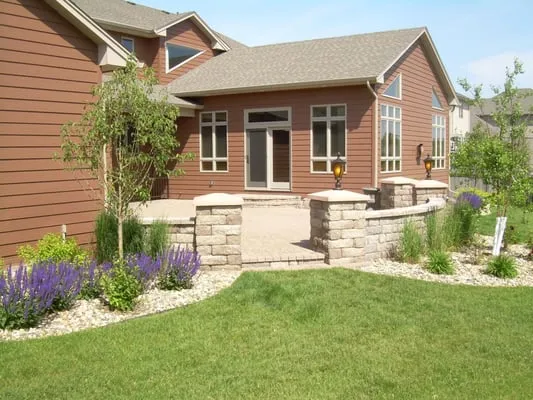
Impact Landscape Design
Impact Landscape Design in Brandon, SD, is a full-service landscaping company specializing in tree care, landscape architecture, and comprehensive construction services. Serving the Brandon community,...
Rex's Lawn Service is a trusted local provider in Brandon, SD, offering comprehensive lawn care and snow removal solutions. We specialize in addressing common local landscaping challenges like lawn dr...
Anderson Landscaping is a family-owned and operated business serving Brandon, SD, and the Sioux Falls area since 1980. With over 30 years of experience, we specialize in landscaping, tree services, an...
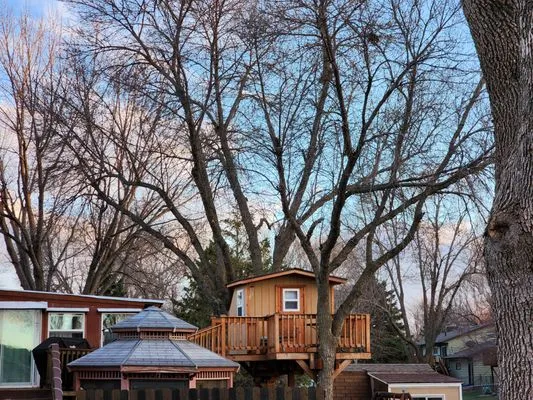
Total Home Care is your trusted Brandon lawn care provider, dedicated to solving the common landscaping challenges faced by local homeowners. We understand that South Dakota weather, from summer storm...
FAQs
Are concrete pavers a better choice than wood for a new patio in Brandon?
For longevity and low maintenance in Zone 4b, concrete pavers or local Sioux Quartzite are superior to wood. They resist frost heave damage when installed correctly and do not rot, splinter, or require annual sealing. In the context of Brandon’s Low Urban Interface Fire Wise rating, these non-combustible materials also contribute to defensible space, a prudent consideration for any permanent landscape structure.
A storm damaged trees in my yard and the HOA gave a 48-hour cleanup notice. How quickly can you respond?
Our dispatch prioritizes emergency calls. From our staging near McHardy Park, we can access I-90 for rapid transit to Brandon Heights, ensuring a crew arrival within the 15-20 minute peak response window. We coordinate with the city for debris removal corridors, allowing immediate assessment and safe, efficient cleanup to meet compliance deadlines without disrupting neighborhood access.
How can I keep my Kentucky Bluegrass lawn healthy during summer without wasting water?
Utilizing Wi-Fi, ET-based weather-sensing irrigation is critical. This system calculates evapotranspiration daily, applying only the precise water lost to atmosphere and plant use. It automatically adjusts for rain and humidity, preventing overwatering. This method maintains turf health within Brandon’s Stage 0 voluntary conservation guidelines by aligning irrigation with actual need, not a fixed schedule, preserving both the grass blend and municipal water resources.
Do I need a permit to regrade my backyard, and does my contractor need a special license?
Yes. Significant regrading that alters water flow or involves retaining walls over certain heights requires a permit from the Brandon Planning & Development Department to ensure compliance with drainage and erosion codes. For work on a 0.22-acre lot, the contractor must hold appropriate licensing through the South Dakota Department of Labor and Regulation. This guarantees they carry required insurance and understand state-specific excavation and soil placement regulations.
I want to reduce mowing and gas equipment noise. What are my options?
Transitioning perimeter zones to a xeriscape of native plants like Purple Coneflower, Little Bluestem, and Butterfly Milkweed drastically cuts maintenance. These deep-rooted species require no mowing, minimal water, and support local pollinators. This shift reduces reliance on gas-powered blowers and mowers, proactively aligning with Brandon’s standard noise ordinance hours and the broader move toward quieter, electric maintenance fleets.
My yard has pooling water and cracked pavers after winter. What's the long-term fix?
This is a classic symptom of seasonal frost heave in silt loam soils, exacerbated by moderate runoff from impermeable surfaces. The solution involves regrading to direct water away from foundations and installing a permeable base beneath hardscapes. Using local Sioux Quartzite or concrete pavers set on an open-graded aggregate bed increases permeability, meeting Brandon Planning & Development Department runoff standards by allowing water to infiltrate rather than sheet flow.
Why does the soil in my Brandon Heights yard seem so compacted, even with regular watering?
Lots in neighborhoods like Brandon Heights, with homes averaging 25 years old, have established Mollisols—a rich, silt loam. Over decades, construction equipment and routine maintenance compress soil structure, reducing percolation. This compaction limits root growth and water infiltration, creating runoff. Core aeration and top-dressing with compost are essential to restore pore space and organic matter, addressing the inherent density of this soil type.
I've spotted creeping bellflower in my beds. How do I remove it without harming my lawn?
Creeping bellflower is a persistent invasive with tuberous roots. Manual removal requires digging deep to extract all root fragments; any remnants regenerate. For chemical control, a selective herbicide applied directly to the foliage in late spring or early fall is effective. This must be done when the ground is not frozen, adhering to South Dakota BMP guidelines that prohibit applications on frozen ground to prevent herbicide runoff into waterways.
