Top Landscaping Services in Baltic, SD, 57003 | Compare & Call

There are 56 landscaping companies server in Baltic SD

Ramos Universal Landscaping has been a trusted partner for Sioux Falls homeowners for over 18 years. We believe in building lasting relationships, starting with listening carefully to your vision for ...
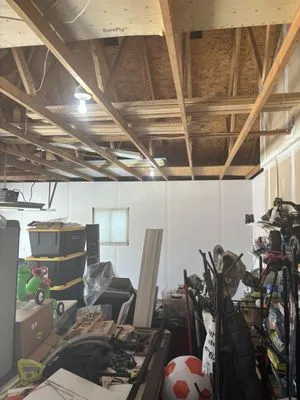
Borrowed Husband Handyman Services is your Sioux Falls neighbor for dependable home repairs and improvements. With many years of hands-on experience, we provide straightforward solutions for painting ...
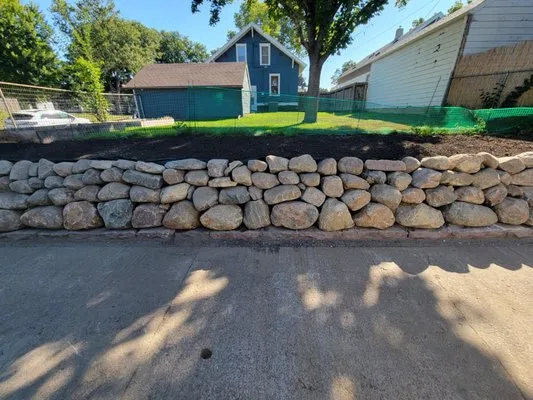
William's Landscaping is a Sioux Falls-based contractor specializing in custom hardscaping and landscape construction. We combine expert masonry, concrete work, and thoughtful design to build durable,...
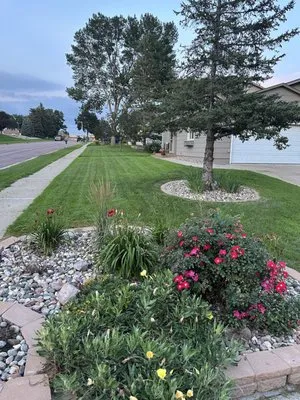
LT's Lawn Care is a trusted Sioux Falls lawn service provider specializing in comprehensive lawn care, gardening, and snow removal. We understand the unique challenges Sioux Falls homeowners face, inc...

EVLO Solutions Lawn Care is a trusted Sioux Falls lawn care and snow removal company serving homeowners throughout the area. We understand that local residents often face landscaping challenges like l...
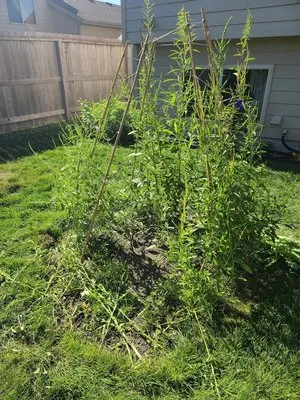
For over 15 years, Equity Green Lawn Care Experts has been dedicated to serving the Sioux Falls and Sioux City communities. Our mission is simple: to turn your outdoor visions into reality, ensuring y...

Lipetzky's Irrigation & Landscape is a trusted, locally-owned company serving Sioux Falls and the surrounding area. We provide reliable, dedicated, and honest service for all your outdoor needs, from ...
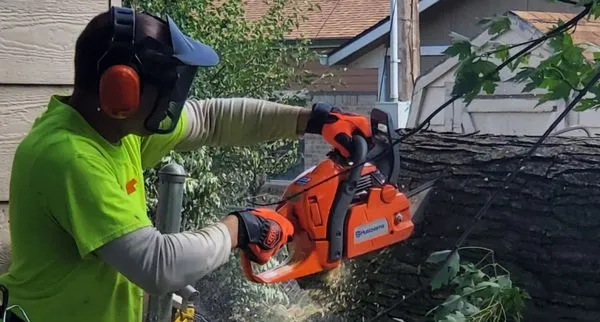
PROLINE Property Services is a Sioux Falls-based company specializing in comprehensive landscaping, tree services, and painting solutions. We address common local issues like dead lawn areas and poor ...

Mowing and More is a trusted local lawn and tree service provider in Sioux Falls, SD. We understand the common challenges Sioux Falls homeowners face, from water pooling due to poor lawn grading to th...

Lakota Lawns is a Sioux Falls-based company with over a decade of experience providing reliable junk removal, landscaping, and handyman services to local residents and businesses. We specialize in app...
Estimated Landscaping Service Costs in Baltic, SD
Q&A
My yard turns into a soggy mess every spring thaw. What's the best long-term fix?
Seasonal saturation is common in Baltic's silty clay loam soils due to slow percolation rates and spring thaw runoff. The solution involves improving subsurface drainage and managing surface flow. Installing a French drain system tied to a daylighted outlet can intercept groundwater. For paved areas, using permeable crushed Sioux Quartzite for patios or walkways allows infiltration, reducing runoff volume and often meeting Minnehaha County Planning & Zoning standards for stormwater management on residential lots.
Is crushed quartzite a better choice than wood for a new patio in terms of durability and fire safety?
Crushed Sioux Quartzite is a superior mineral aggregate for durability and fire-wise landscaping. Unlike wood, it is non-combustible, will not rot, splinter, or harbor insects, and requires zero sealing or chemical treatment. In Baltic's Moderate Wildland-Urban Interface rating zone, creating defensible space is advised. Using non-flammable hardscape materials like quartzite for patios and pathways within 5-10 feet of the home significantly reduces fire fuel, enhancing property resilience.
Do I need a permit to regrade my backyard, and what should I look for in a contractor?
Regrading that alters water flow patterns or involves significant cut and fill typically requires a permit from the Minnehaha County Planning & Zoning office. On a standard 0.25-acre lot, improper grading can adversely affect neighboring properties. It is crucial to hire a contractor licensed by the South Dakota Department of Labor and Regulation. This licensing ensures they carry the required insurance and have passed examinations on state codes, protecting you from liability for improper work that leads to drainage issues or structural damage.
What's the safest way to deal with invasive weeds like Creeping Bellflower without harming my lawn?
Creeping Bellflower (Campanula rapunculoides) is a pervasive alert in our area, spreading via deep, brittle roots. Manual removal requires extracting all root fragments, which is difficult in established turf. For chemical control, a selective, systemic herbicide applied as a spot treatment when the plant is actively growing is most effective. This must be done carefully to avoid drift onto impervious surfaces, adhering to South Dakota's Best Management Practices fertilizer ordinance, which prohibits application on hardscapes where runoff can occur.
I'm tired of weekly mowing. Are there lower-maintenance options that still look good?
Transitioning high-input turf areas to a designed prairie or meadowscape is a forward-looking solution. Using natives like Little Bluestem, Purple Coneflower, Prairie Dropseed, and Wild Bergamot creates a resilient, biodiverse landscape that requires no fertilization, minimal watering once established, and only an annual mowing or cutting back. This approach also aligns with the trend toward quieter, electric maintenance equipment, staying ahead of potential tightening in municipal quiet hour ordinances regarding gas-powered blowers and mowers.
Why does the soil in my Baltic yard feel so dense and compacted compared to older parts of town?
Most homes in the Baltic Residential Core were constructed around 1999, meaning the soil profile is approximately 27 years old. This timeframe represents an immature soil ecosystem for Mollisols, which are typically deep, fertile prairie soils. During construction, the native topsoil was often stripped or severely compacted by heavy machinery, and the replaced silty clay loam subsoil lacks mature soil structure and organic matter. To improve permeability and root development for turf like Kentucky Bluegrass, a program of core aeration and incorporation of composted organic matter is recommended.
How can I keep my lawn green during a dry summer without violating water restrictions?
While Baltic currently operates under Stage 0 voluntary conservation, efficient water use is critical. Smart Wi-Fi ET-based controllers are the technical solution. They automatically adjust irrigation runtimes by downloading local evapotranspiration data, applying only the precise water lost to atmosphere and plant use. This system, paired with a weekly deep watering schedule for your Kentucky Bluegrass and Fine Fescue blend, promotes deeper root growth and drought resilience, keeping the lawn healthy within municipal water budgets.
If a severe storm downs a tree and blocks my driveway, what's the fastest way to get emergency service?
For a confirmed emergency blocking ingress or egress, crews can be dispatched from our staging area near Baltic City Park. The primary route utilizes I-90 for the most direct access to the Residential Core, bypassing local surface street congestion. Under standard conditions, this routing allows for a 20-30 minute arrival during peak hours. Immediate triage focuses on clearing the hazard to restore access, with full debris removal and site remediation following once the emergency is secured.
