Top Landscaping Services in Ashland Heights, SD, 57701 | Compare & Call
There are 60 landscaping companies server in Ashland Heights SD
Poop to Scoop is a Rapid City-based landscaping service focused on creating healthier, more vibrant outdoor spaces. We understand the common local frustrations of patchy, struggling lawn grass and ove...

FixItFast is your trusted local handyman service in Rapid City, SD. We specialize in a wide range of home and property maintenance tasks, from routine upkeep to unexpected repairs. Our core services i...

At I & K’s Super Service, we're your local Rapid City partners dedicated to keeping your property looking its best through every season. As a small, owner-operated business, we take pride in providing...

BH Landscaping and Lawn Care is your trusted, local Box Elder partner for transforming and maintaining your outdoor space. We specialize in solving common local landscaping challenges like poor yard d...
Majestic Garden Landscaping is a trusted local landscaping company serving Rapid City and the surrounding Black Hills region. We specialize in solving the common yard problems faced by homeowners here...
Cricket Lawn Service is a dedicated landscaping company serving Rapid City, SD, focused on solving common local lawn challenges. We specialize in addressing issues like standing water in yards and pat...
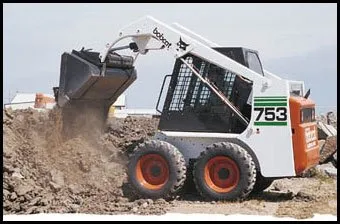
McLain Skid Steer Services, LLC brings over two decades of hands-on experience to Rapid City and the Black Hills region. Founded by Adam McLain, who has been operating skid steer machinery since the l...
J & J Mowing & Landscaping is a trusted local landscaping company serving Rapid City, SD, dedicated to addressing common residential landscaping challenges in the area. Many homes in Rapid City experi...
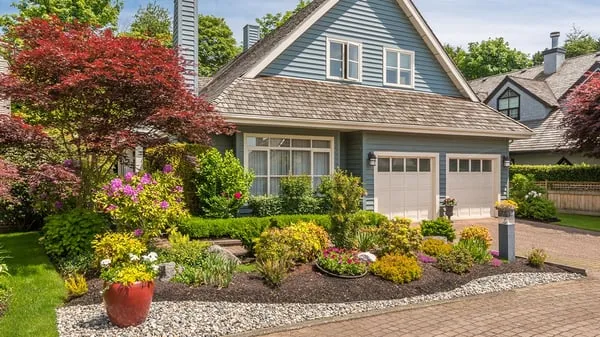
Earthworks Landscaping has been a trusted name in Box Elder and the surrounding Black Hills area since 2001. We specialize in turning your property vision into reality with durable, functional, and be...
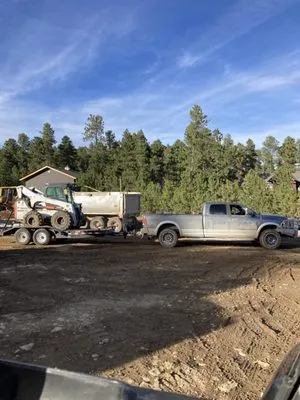
Arrow Services is a trusted, full-service landscaping and tree care company based in Hermosa, SD. We specialize in comprehensive solutions for local property owners, from landscape construction and ir...
Estimated Landscaping Service Costs in Ashland Heights, SD
Frequently Asked Questions
What invasive species threaten Ashland Heights landscapes?
Leafy spurge and Canada thistle present primary invasive risks in USDA Zone 4b, exploiting disturbed silty clay loam. Treatment requires targeted herbicide applications during active growth phases, avoiding phosphorus-containing products near impervious surfaces per local ordinance. Mechanical removal before seed set combined with establishing competitive native groundcovers like Leadplant creates sustainable suppression. Always verify treatment windows don't conflict with fertilizer ordinance blackout dates, particularly near storm drains and paved areas.
How can I reduce maintenance while preparing for electric equipment mandates?
Replacing high-maintenance turf with Little Bluestem, Purple Coneflower, and Prairie Dropseed creates a resilient native landscape requiring minimal intervention. These deep-rooted species stabilize soil, reduce watering needs by 75%, and eliminate weekly mowing demands. Transitioning to xeriscaping now positions properties ahead of expanding gas-blower restrictions under noise ordinances. Native plantings also support local pollinators while creating natural firebreaks in Ashland Heights' Moderate Wildland-Urban Interface Zone.
What permits and licenses are needed for grading my 0.35-acre property?
Grading projects exceeding 100 cubic yards of earth movement require permits from Rapid City Community Development Department, with specific erosion control plans for Ashland Heights' runoff patterns. Contractors must hold South Dakota Department of Labor and Regulation landscaping licenses, plus additional certifications for operating within 50 feet of property lines on 0.35-acre lots. These regulations ensure proper water diversion and soil stabilization, particularly important given the neighborhood's silty clay loam characteristics and moderate drainage hazards.
Can I maintain healthy turf under Stage 1 water restrictions?
Wi-Fi ET-based weather sensing irrigation automatically adjusts watering schedules using real-time evapotranspiration data from local weather stations. This technology reduces Kentucky Bluegrass and Fine Fescue mix water use by 25-40% while maintaining turf health through precise moisture delivery. The system bypasses rainfall events and reduces runtime during high humidity, staying well within voluntary conservation guidelines. Properly calibrated ET controllers represent the most effective method for balancing municipal water limits with turf preservation in Ashland Heights.
What solutions address seasonal runoff and frost heave issues?
Silty clay loam's moderate permeability creates runoff challenges during spring thaw and heavy rains. Installing permeable crushed Sioux quartzite hardscape allows water infiltration while meeting Rapid City Community Development Department runoff standards. French drains with clean gravel backfill redirect subsurface water away from foundations, preventing frost heave damage. These systems work with the soil's natural characteristics rather than against them, creating sustainable drainage that accommodates both seasonal saturation and clay's slow percolation rate.
Is crushed Sioux quartzite better than wood for durable landscaping?
Crushed Sioux quartzite offers superior longevity with minimal maintenance compared to wood's 8-12 year replacement cycle. This locally sourced material provides excellent permeability for drainage while creating fire-resistant defensible space in Moderate Wildland-Urban Interface zones. Unlike wood's decomposition and insect vulnerability, quartzite maintains structural integrity through freeze-thaw cycles and requires no chemical treatments. Its natural coloration blends with native plantings while providing permanent erosion control on Ashland Heights' sloped lots.
How quickly can you respond to storm damage for HOA compliance?
Emergency cleanup crews dispatch from Ashland Heights Park within 20-30 minutes during peak response windows. Vehicles travel via I-90 with electric equipment to comply with 10 PM-7 AM noise restrictions while addressing fallen branches or debris. This routing ensures timely arrival for immediate safety hazards or HOA violation notices. The electric fleet operates quietly within ordinance hours, allowing extended work windows when necessary for compliance deadlines.
Why does my Ashland Heights lawn struggle with compaction and poor drainage?
Ashland Heights properties average 70 years of soil development since 1956 construction, creating mature silty clay loam with reduced permeability. This soil type naturally compacts over decades, restricting root growth and water infiltration. Core aeration every 2-3 years introduces oxygen channels while adding composted organic matter improves soil structure. The neighborhood's alkaline pH range of 7.2-7.8 further limits nutrient availability, requiring specific amendments like elemental sulfur for optimal plant health.
