Top Landscaping Services in Allen, SD, 57714 | Compare & Call
There are 99 landscaping companies server in Allen SD
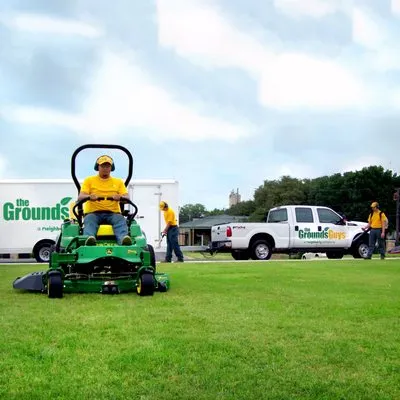
The Grounds Guys of Rapid City began its journey in 1987, founded by ten brothers who built a brand on principles of exceptional workmanship, genuine care, and reliable customer service. Now part of t...
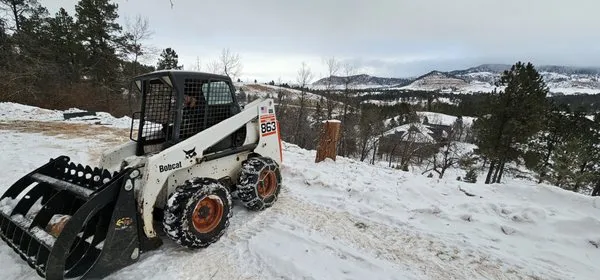
Deep Roots Tree Company is a Rapid City, SD-based business dedicated to providing reliable tree services, snow removal, and landscaping solutions for local residents and businesses. With a focus on qu...
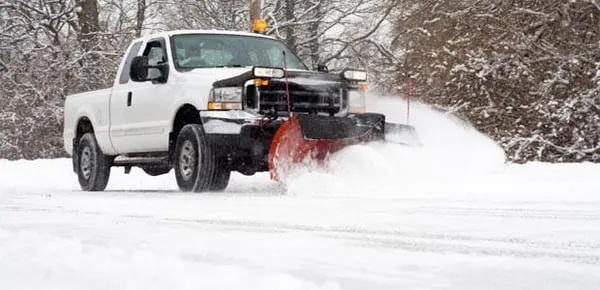
Since 2010, Black Hills Property Preservation has served as Rapid City's trusted partner for outdoor property care. As a licensed service, we specialize in landscaping, lawn care, and snow removal for...
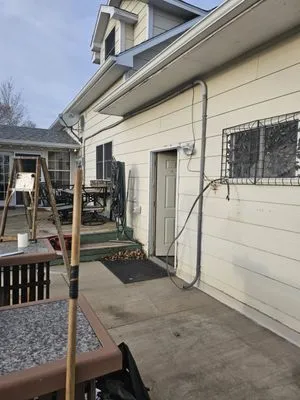
Black Hills Outdoor Solutions is a licensed and insured Rapid City, SD company specializing in comprehensive outdoor services. We transform properties through expert landscaping, tree care, and constr...
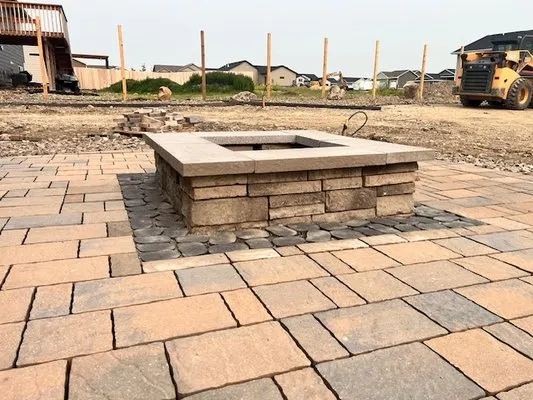
Bluegrass Landscape Company
Bluegrass Landscape Company is a local, family-run business owned by Ryan Chocholousek, who was born and raised in South Dakota. With a background from the University of South Dakota and Oregon State ...
C.E. Landscapes is a trusted landscaping company serving Rapid City, SD, and the surrounding area. With years of experience, we specialize in transforming outdoor spaces into functional and beautiful ...
Kilted Lawn & Services
Kilted Lawn & Services is a family-owned and operated business serving the Rapid City community and surrounding Black Hills region. Founded by Robby, a Washington State University graduate who moved t...
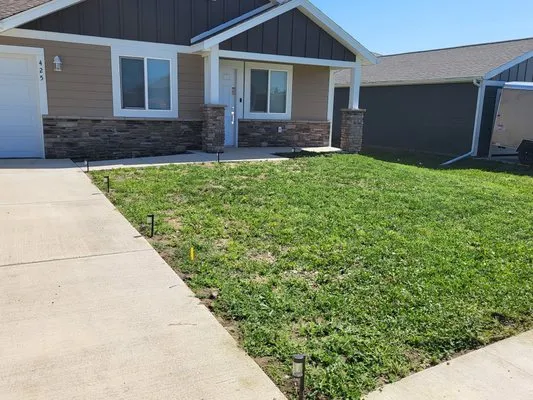
Dade Yardwork's is a trusted lawn care provider serving Box Elder, SD, specializing in comprehensive lawn maintenance and solutions for common local landscaping challenges. We understand that Box Elde...
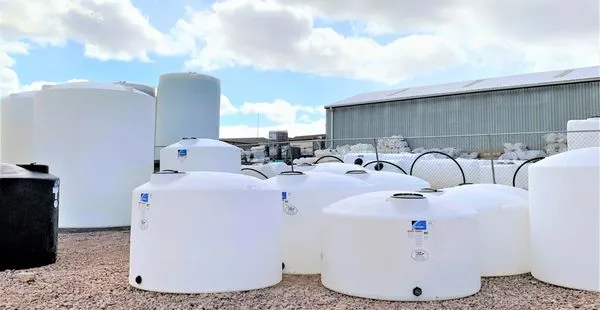
Warne Green Force has been serving Rapid City and the Black Hills region since 1974, founded by Ken Warne who brings over 40 years of expertise in pesticide and fertilizer applications. With a Bachelo...
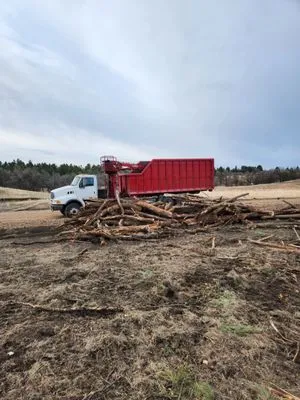
Bradeen Skid Steer Services is a Rapid City-based contractor specializing in a full range of skid-steer-powered solutions for landscaping and property management. We help local homeowners tackle commo...
Estimated Landscaping Service Costs in Allen, SD
Common Questions
My lawn seems compacted and struggles to grow. Is this common in Allen?
Yes, soil compaction is a frequent issue on Allen Townsite properties. Homes built around 1979 have soils that have matured for nearly 50 years, receiving consistent foot traffic and maintenance without major amendment. The prevalent Alkaline Silty Clay Loam (pH 7.9) has low permeability and becomes dense. Annual core aeration and incorporating composted organic matter are essential to improve soil structure, water infiltration, and root development for any turf or native planting.
How quickly can you respond to an urgent HOA compliance notice for overgrowth?
For an emergency cleanup in Allen, dispatch typically routes from the Allen Community Center onto US-18. Given regional logistics, a primary crew response from Pine Ridge requires a 60-90 minute travel window. We prioritize these calls to mitigate violation fines, deploying electric maintenance equipment that complies with standard noise nuisance restrictions upon arrival, even during early morning or evening hours.
Are concrete pavers a better choice than wood for a patio here?
For longevity and fire resilience, concrete pavers with a crushed native shale base are superior. Wood requires constant treatment and decays. In Allen's Moderate Fire Wise rating zone, creating defensible space is prudent. Non-combustible hardscapes provide a critical barrier in the Grassland/Shrubland Interface. Furthermore, pavers withstand freeze-thaw cycles better than poured concrete and offer design flexibility for future alterations.
What permits and contractor checks are needed for regrading my half-acre lot?
Significant grading on a 0.50-acre lot in Allen often requires a permit from the Oglala Sioux Tribe Land Management Office, as it impacts water runoff patterns. Furthermore, state law mandates that any contractor performing earthwork exceeding a certain scale must hold appropriate licensing through the South Dakota Department of Labor and Regulation. Verifying this license protects you from liability and ensures the work meets technical standards for slope and drainage.
I want a low-maintenance, quiet yard. What should I replace my grass with?
Transitioning to a native plant palette of Western Wheatgrass, Purple Prairie Clover, Blanketflower, and Leadplant creates a resilient, low-input landscape. These deep-rooted species stabilize soil, require no fertilization, and need minimal water once established. This shift also preempts evolving noise ordinances, as it eliminates the need for frequent gas-powered mowing and blowing, aligning with the industry's move toward electric maintenance fleets.
What invasive species should I watch for, and how do I handle them safely?
In this region, watch for Leafy Spurge and Canada Thistle, which threaten native grasslands. Safe removal involves mechanical extraction for small infestations or targeted, late-season herbicide application when the plant is translocating nutrients to the roots. Any chemical application must strictly follow local Best Management Practices (BMP) guidelines for nitrogen and herbicide use, avoiding blackout dates designed to protect groundwater, which is critical in alkaline soils.
My yard has pooling water and frost heave damage. What's the best fix?
Moderate runoff and seasonal frost heave are direct consequences of Allen's Alkaline Silty Clay Loam, which has slow percolation. Correcting this requires improving subsurface drainage. For patios or walkways, using permeable bases of crushed native shale under concrete pavers allows water to infiltrate, reducing surface runoff. This approach often meets the Oglala Sioux Tribe Land Management Office standards for managing stormwater on-site and mitigates frost-related upheaval.
How can I maintain my Buffalograss lawn under the current water conservation rules?
Under Stage 1 Voluntary Conservation, efficient irrigation is critical. Soil Moisture Sensor (SMS) integrated controllers are the definitive solution. These sensors measure actual soil water tension, triggering irrigation only when the root zone of drought-tolerant Buffalograss or Blue Grama needs it. This ET-based method can reduce water use by 20-40% compared to timed schedules, keeping lawns healthy while respecting municipal water limits.
