Top Landscaping Services in Yemassee, SC, 29945 | Compare & Call

There are 40 landscaping companies server in Yemassee SC
Atkins Property Maintenance is a locally owned Ladson business with over 50 years of combined experience in tractor and equipment operation. We specialize in providing customized mobile landscape serv...
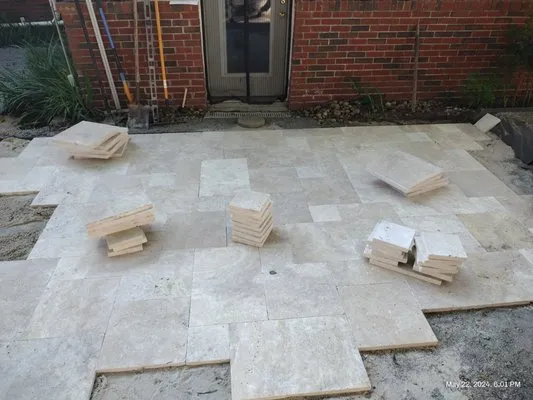
Bright Built, based in Knightsville, SC, is your local expert for transforming and maintaining your outdoor living space. We specialize in a comprehensive range of services, including masonry, concret...
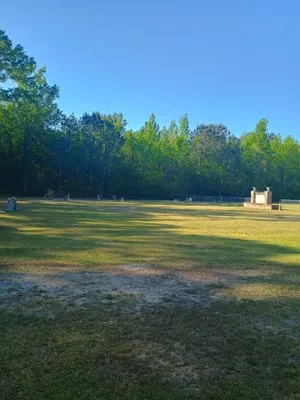
C&H Lawn Care is a trusted local lawn service provider in Walterboro, SC, specializing in comprehensive lawn care solutions tailored to the region's specific needs. We understand that Walterboro homeo...
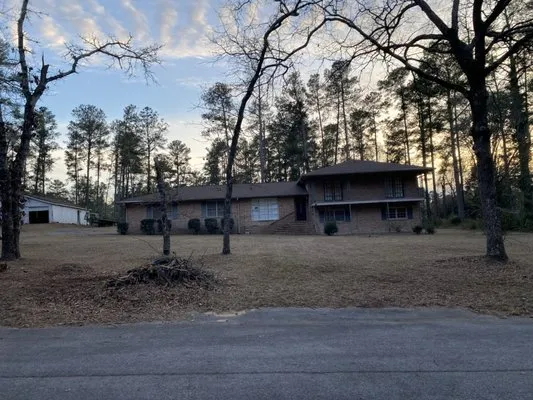
Leeboy Lawn Care Services is a locally owned and operated lawn care provider based in Allendale, South Carolina. We specialize in transforming outdoor spaces into beautifully maintained landscapes thr...
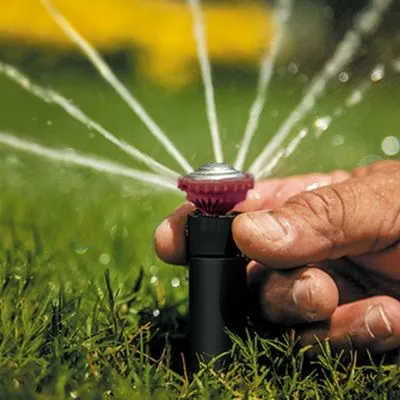
TLM Irrigation & Lighting is a licensed, locally-owned business serving Yemassee and the surrounding Lowcountry for over 38 years. Founded on the principle that customer satisfaction comes first, we s...
Martino Landscaping has been a trusted partner for Summerville homeowners for over two decades, helping them create and maintain beautiful, functional outdoor spaces. Our approach combines extensive l...
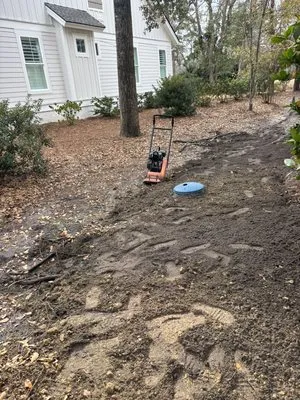
Davis Mancia Landscaping has been serving the Bluffton community for over a decade, built on a foundation of professionalism, commitment, and diligence. Founded with the goal of providing cost-effecti...
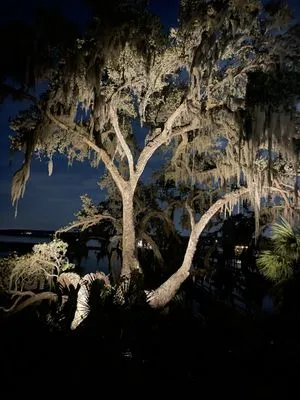
Quality Scapes is a full-service landscaping company serving Beaufort, SC, dedicated to creating and maintaining beautiful, functional outdoor spaces. We understand that Lowcountry homes often face ch...
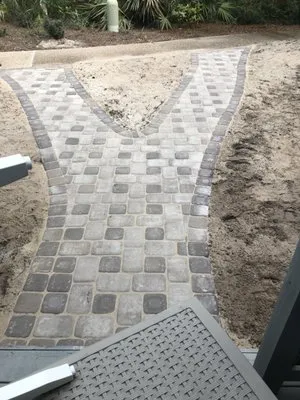
Green Planet Landscaping is a Hilton Head Island-based company specializing in comprehensive landscaping, tree services, and pressure washing. We help local homeowners maintain beautiful, healthy outd...
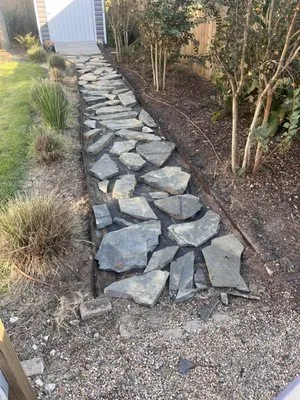
AP Lawn Service & Junk Removal
AP Lawn Service & Junk Removal is your Hilton Head Island partner for keeping your property beautiful and clear. We combine expert landscaping and design services with comprehensive junk hauling, offe...
Estimated Landscaping Service Costs in Yemassee, SC
Question Answers
Is there a lower-maintenance, quieter alternative to my large lawn?
Yes. Transitioning high-maintenance turf to a climate-adaptive xeriscape with regional natives like Beautyberry, Switchgrass, and Black-eyed Susan significantly reduces water, mowing, and chemical inputs. This biodiversity-focused planting is ahead of regulatory trends, including potential gas-blower restrictions under noise ordinances. An established native landscape requires minimal irrigation and supports local pollinators, aligning with 2026 ecological standards.
Are crushed shell pathways a good long-term choice compared to wood mulch?
Crushed shell or clay pavers offer superior longevity and permeability compared to wood mulch, which decomposes and requires annual replenishment. These inorganic materials provide a stable, low-maintenance surface that suppresses weeds and improves drainage. For properties in Moderate (WUI Zone 2) fire-wise rated areas, non-combustible hardscapes like these also contribute to defensible space, a key safety consideration for landscape infrastructure.
How can I keep my St. Augustine grass alive during voluntary water restrictions?
Stage 1 voluntary conservation in Yemassee aligns with using smart Wi-Fi ET-based irrigation controllers. These systems schedule watering based on real-time evapotranspiration data, applying water only when turfgrass root zones require it. This method can reduce potable water use by 20-30% while maintaining Centipede or St. Augustine turf health. Deep, infrequent cycles encourage deeper roots, improving drought resilience within municipal guidelines.
Why does the soil in my Yemassee Town Center yard seem so tired and compacted?
Lots in this neighborhood, developed around 1990, have approximately 36 years of soil maturity. The underlying Ultisols, a sandy loam with pH 5.5-6.2, naturally leach nutrients and compact under decades of foot traffic and routine maintenance. This history depletes organic matter and reduces soil percolation. Restoring permeability requires core aeration and amending with composted organic material to rebuild structure and cation exchange capacity.
What permits and credentials should I verify before hiring for major grading work?
Any significant grading or earthmoving on a 0.45-acre lot requires verification of a valid license from the South Carolina Contractors' Licensing Board. The contractor must also secure any necessary land disturbance permits from the Yemassee Planning & Zoning Department, as moving more than a minimal volume of soil triggers sediment and erosion control regulations. Hiring unlicensed operators risks code violations and potential property damage with limited recourse.
My yard stays soggy for days. What's the cause and a permanent solution?
Persistent sogginess indicates the high water table and poor infiltration common with Yemassee's sandy loam Ultisols. Surface water cannot percolate through compacted subsoil. A permanent solution integrates subsurface French drains with a permeable hardscape surface, such as crushed shell or clay pavers set on a sand base. This system manages runoff to meet Yemassee Planning & Zoning Department standards, directing water away from foundations.
My HOA gave me a notice for overgrowth. How fast can you get a crew here for compliance?
We dispatch electric maintenance vehicles to minimize noise disruption. For a Yemassee Town Center address, our standard route originates from the Yemassee Train Depot, proceeds via I-95, and achieves a 20-30 minute arrival for peak storm or compliance response. This schedule allows us to initiate corrective mowing or trimming within the town's 7:00 AM to 9:00 PM noise ordinance window.
What are the biggest weed threats here, and how do I manage them safely?
In Zone 8b, invasive species alerts include cogongrass and tropical soda apple. Manual removal for small infestations and targeted, systemic herbicide for larger ones are effective. Any treatment must comply with South Carolina's statewide N-P-K nutrient management guidelines, which may include blackout dates for fertilizer and herbicide application to protect watersheds. Correct identification and timing are critical to avoid harming native flora.
