Top Landscaping Services in Williamston, SC, 29669 | Compare & Call
There are 184 landscaping companies server in Williamston SC
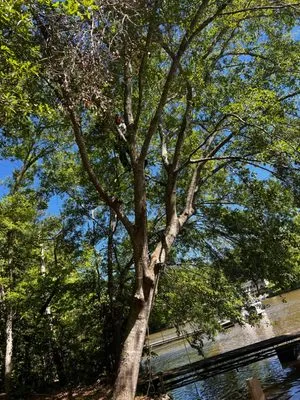
All American Landscape & Pressure Washing
All American Landscape & Pressure Washing is a Belton-based business built on over five years of hands-on experience in the local community. Owner-operated and dedicated to honest work, we've establis...
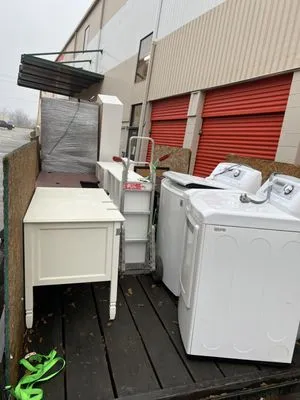
Double R Hauling is a trusted, locally-owned service provider in Greenville, SC, dedicated to helping Upstate residents reclaim their space. We specialize in efficient junk removal, responsible dispos...
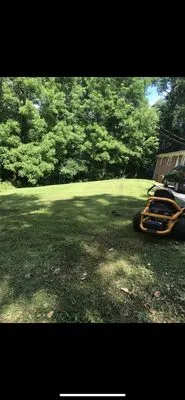
Mr T Lawn Care is a trusted lawn service provider in Anderson, SC, specializing in comprehensive lawn care to keep local properties healthy and vibrant. We understand that Anderson homeowners often fa...
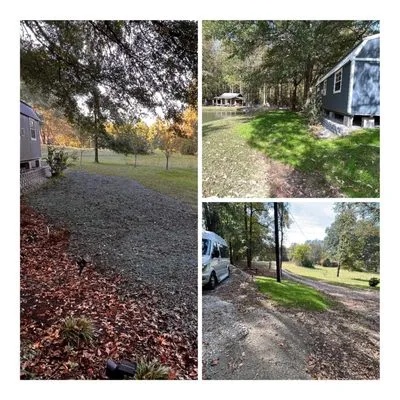
Carolina Grade is a trusted lawn care provider serving Anderson, SC, specializing in comprehensive lawn maintenance and problem-solving for local homeowners. We understand the common landscaping chall...

S&K Lawn Care is a trusted, locally-owned lawn and garden service in Williamston, South Carolina, dedicated to solving the specific landscaping challenges faced by homeowners in the area. We understan...

Jax Lawn Service is a trusted local lawn care provider serving Anderson, SC, specializing in comprehensive lawn maintenance to keep your property looking its best. We understand common local landscapi...

Marroquin Landscaping is a Pelzer-based landscaping service with over two decades of experience, owned and operated by JJ Marroquin. After working for larger landscaping companies, JJ founded his own ...
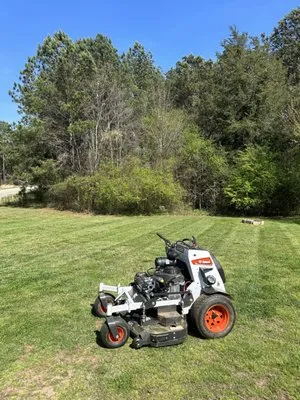
Greener Side Landscaping Plus is your trusted, locally-owned lawn service in Starr, SC, dedicated to restoring and maintaining the beauty and health of your property. We understand the unique challeng...
Rock Solid Earthworks is a family-owned excavation and landscaping business serving Anderson, SC, and the Upstate region. With over 20 years of local experience, we specialize in earthmoving, land cle...
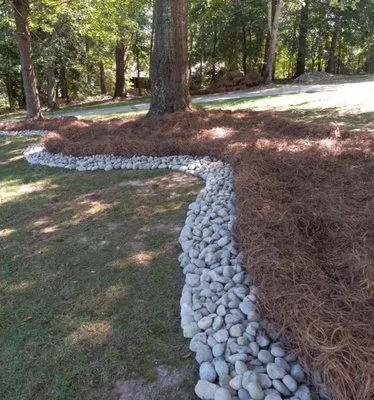
Enviro Mulch is a licensed mulch supplier serving Liberty, SC and the surrounding Upstate South Carolina region. We specialize in providing high-quality landscaping materials including Double Ground N...
Estimated Landscaping Service Costs in Williamston, SC
Common Questions
What invasive species should I watch for, and how are they treated?
Be alert for invasive plants like Chinese Privet or Japanese Stiltgrass, which outcompete natives like Beautyberry. Treatment involves targeted, manual removal or approved herbicide applications timed outside the state BMP's winter dormancy blackout period for nitrogen to prevent runoff. A consistent monitoring and management plan is essential to protect your landscape's ecological integrity and prevent reinfestation.
How quickly can you respond to an emergency like storm debris or an HOA violation notice?
For urgent HOA compliance or post-storm cleanup in the Mineral Spring Park District, our electric fleet dispatch from Mineral Spring Park via US-29 allows a 20-30 minute peak response. This routing prioritizes access while adhering to the 10 PM to 7 AM quiet hours ordinance with minimal noise disruption. We coordinate this rapid mobilization to secure the property and mitigate any immediate hazards or fines.
My yard holds water after rain. What's a lasting solution for my property?
Moderate runoff on Cecil clay is a common saturation issue. Solutions begin with regrading to create positive flow away from foundations and integrating French drains or dry creek beds. For hardscapes, specifying permeable concrete pavers or local granite set in a gravel base significantly increases infiltration, meeting Williamston Planning & Zoning Department standards for stormwater management by reducing impervious surface load.
Are concrete pavers a better long-term choice than wood for a patio?
For longevity and reduced maintenance, concrete pavers and local granite vastly outperform wood in our humid climate. These inorganic materials do not rot, warp, or attract pests. Furthermore, when installed with cleared, non-combustible perimeters, they contribute to the defensible space required for a Moderate Fire Wise rating in the Wildland-Urban Interface, enhancing both durability and safety.
Why is proper licensing important for grading or drainage work on my quarter-acre lot?
Significant earthmoving or grading on a 0.25-acre lot often requires a permit from the Williamston Planning & Zoning Department to ensure proper stormwater compliance. The work must be performed by a contractor licensed by the South Carolina Contractors' Licensing Board, which guarantees adherence to structural and environmental standards, protects you from liability, and ensures the correction of drainage hazards is performed to code.
What are lower-maintenance alternatives to my high-input lawn?
Transitioning to a climate-adaptive landscape featuring natives like Eastern Redbud, Switchgrass, and Purple Coneflower reduces water, fertilizer, and frequent mowing. This xeriscaping approach builds biodiversity ahead of 2026 standards and aligns with evolving noise ordinances by minimizing reliance on gas-powered blowers and mowers. The resulting ecosystem supports pollinators and requires only seasonal attention.
How do I keep my Tall Fescue healthy during Williamston's Stage 1 water conservation?
Under voluntary conservation, precise water management is critical. Smart Wi-Fi ET-based controllers are calibrated for Zone 8a, applying water only when evapotranspiration data indicates plant need. This technology can reduce potable water use by 20-30% while maintaining turfgrass vigor, as it prevents the over-saturation common in our high-clay-content soils, keeping you well within municipal guidelines.
Why does my lawn in Mineral Spring Park District look tired and compacted?
Homes built in the 1970s, like the average 1971 construction here, have mature soil profiles over 50 years old. On our local Cecil Sandy Clay Loam, decades of foot traffic and conventional maintenance have degraded soil structure, reducing permeability and organic matter. This necessitates core aeration followed by top-dressing with composted organic matter to rebuild pore space and microbial activity, directly addressing the inherent low pH and compaction.
