Top Landscaping Services in Welcome, SC, 29611 | Compare & Call

There are 192 landscaping companies server in Welcome SC
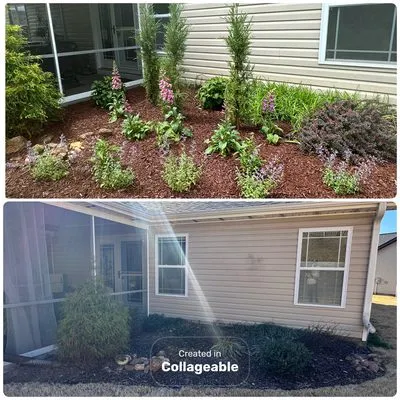
Woodruff's Lawn Care Service
Woodruff's Lawn Care Service is a Spartanburg-based landscaping company serving residential and commercial clients throughout the area. With expertise in landscape design, construction, irrigation, an...
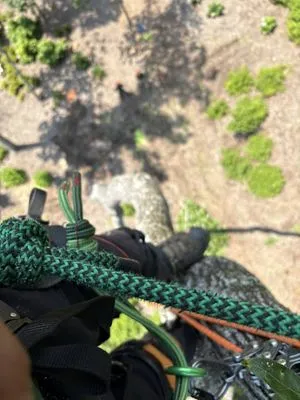
For over two decades, Omar's Tree & Landscaping Services has been the trusted local choice for Greenville homeowners and businesses. We provide reliable, expert care for your entire outdoor space, fro...
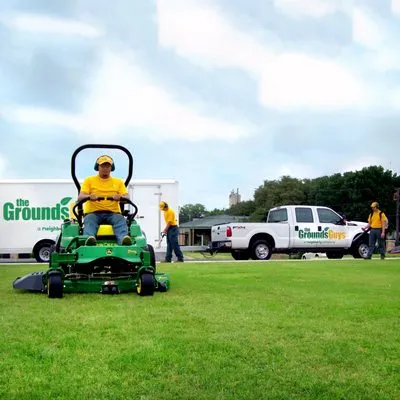
The Grounds Guys of Greenville, SC in Powdersville has been serving the community since 1987, founded by ten brothers who built the brand on principles of quality workmanship, customer satisfaction, a...
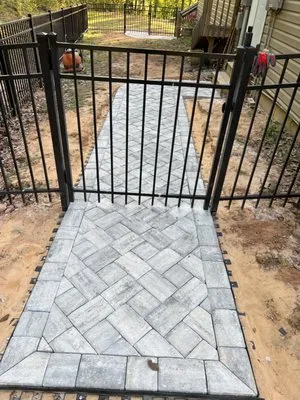
Chandler Brothers Landscape has been a trusted part of the Easley community since 2015. Founded by Brian Chandler, whose passion for lawn care began in 2003 working alongside his father, the business ...

Southern Visions Lawn & Landscape
Southern Visions Lawn & Landscape is a family-owned business in Anderson, SC, where a compassionate approach meets a steadfast commitment to quality. We focus on transforming local properties with a c...
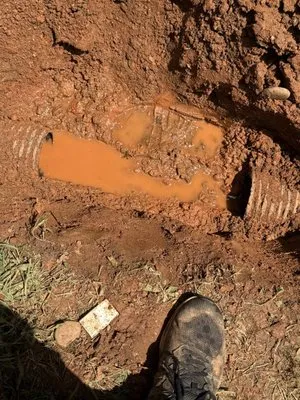
J4 Enterprises is your trusted, full-service partner for landscaping, masonry, and tree care in Powdersville, SC. We specialize in comprehensive property solutions, from initial design to expert const...
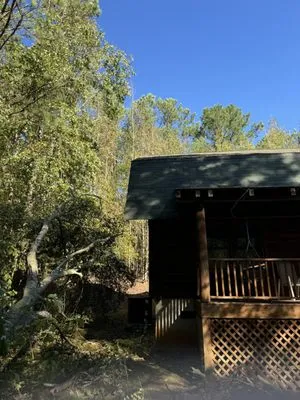
Next Gen Land Service is your comprehensive Greer, SC partner for landscaping, demolition, and junk removal. We specialize in tackling common Upstate yard issues like irrigation leaks and standing wat...

Timber & Turf is a family-owned and operated business serving Liberty, SC, and the surrounding areas. Licensed and insured, we specialize in tree services, handyman work, and landscaping, offering a c...
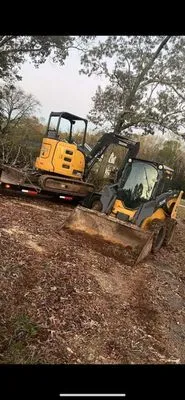
Big Drew & Sue’s Landscaping is a Greenville, SC-based company dedicated to providing quality, affordable landscaping and tree care services to our community. We focus on building trust through clear ...
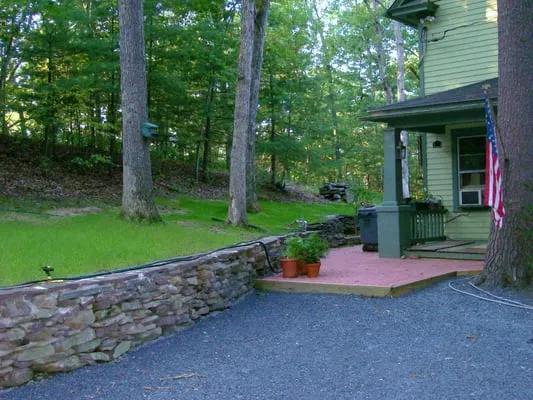
Design by Lee Landscaping
Design by Lee Landscaping is a Mauldin-based landscape design company with deep roots in the Upstate South Carolina community. Owner Lee's passion for landscaping began in childhood, working alongside...
Estimated Landscaping Service Costs in Welcome, SC
Question Answers
We want to regrade our backyard for better drainage. Do we need a permit or a licensed contractor?
On a 0.25-acre lot, significant regrading that alters water flow typically requires review by Greenville County Planning and Development. More critically, the contractor must hold appropriate licensing through the South Carolina Department of Labor, Licensing and Regulation for excavation and earthwork. This ensures the work adheres to engineered standards, prevents damage to adjacent properties, and that the professional carries requisite insurance.
Water pools in our yard after every rain. What's the cause and a long-term fix?
Surface pooling is a direct result of the high clay content in Cecil soils, which leads to slow percolation and compaction. A sustainable solution integrates subsurface drainage like French drains with permeable hardscaping. Using concrete pavers set on an open-graded granite aggregate base creates a stable surface that allows stormwater to infiltrate, often meeting Greenville County's runoff management standards more effectively than solid concrete.
Our house was built in the 1960s, and the soil seems dense and lifeless. Is this a common issue in Welcome?
Yes, this is typical for properties of this age in the Welcome Residential District. The native Cecil Sandy Loam (an Ultisol) has likely been compacted by decades of standard maintenance, reducing its permeability and organic matter. With a soil age of over 55 years, the pH is often at the lower end of its 5.5-6.2 range, which can limit nutrient availability. Core aeration followed by incorporating compost is a foundational step to rebuild soil structure and microbial activity.
We want to reduce mowing, noise, and maintenance. What are our options?
Transitioning to a landscape anchored by native plants like Eastern Redbud, Purple Coneflower, and Switchgrass significantly reduces resource inputs. These adapted species require less water, no weekly mowing, and minimal fertilization. This shift also future-proofs your property against evolving noise ordinances targeting gas-powered blowers and mowers, aligning with a move toward quieter, electric maintenance fleets.
We have a major storm-damaged tree and need an emergency cleanup to meet HOA rules. How fast can a crew arrive?
For emergency compliance work, our dispatch from the Welcome High School area prioritizes access to I-85, enabling a crew arrival within the 25-35 minute window during peak conditions. This route ensures we can mobilize equipment efficiently to address immediate hazards like hanging limbs or blocked driveways, facilitating a rapid site assessment and initial safety work to mitigate violation risks.
An invasive vine is taking over a bed. How do we remove it safely?
First, identify the vine; common alerts in Zone 8a include Japanese honeysuckle or kudzu. Manual removal of the root system is most effective for small infestations. For larger areas, a targeted, systemic herbicide applied during active growth is necessary, but timing must avoid forecasted rainfall to comply with state BMP guidelines and prevent runoff. Subsequent replanting with aggressive natives like Beautyberry can help outcompete returning seedlings.
Is a paver patio better than a wooden deck for our climate and safety?
In the long term, yes. Concrete pavers and granite aggregate offer superior longevity to wood, which deteriorates in our humid summers. Furthermore, non-combustible hardscape materials contribute directly to creating the required 5-foot defensible space for a Moderate Fire Wise rating. This inert zone is critical for home safety and may also influence insurance considerations, providing a permanent, low-maintenance asset.
With voluntary water restrictions, how can we keep our Tall Fescue healthy without wasting water?
Smart Wi-Fi ET-based controllers are the precise tool for this. They automatically adjust watering schedules by using local weather data to calculate evapotranspiration (ET), applying water only when the turf truly needs it. This technology can reduce water use by 20-30% while maintaining turfgrass health, ensuring compliance with Stage 1 conservation measures by eliminating runoff and overwatering common with traditional timers.
