Top Landscaping Services in Walhalla, SC, 29691 | Compare & Call
There are 150 landscaping companies server in Walhalla SC
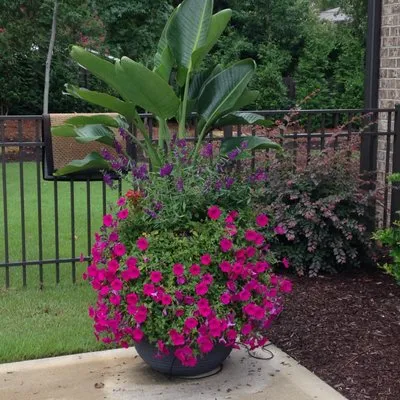
Felicity's Flowers & Design
Felicity's Flowers & Design is a Greenville-based landscaping service that transforms outdoor spaces into vibrant, low-maintenance accents for homes and businesses. We specialize in creating custom fl...
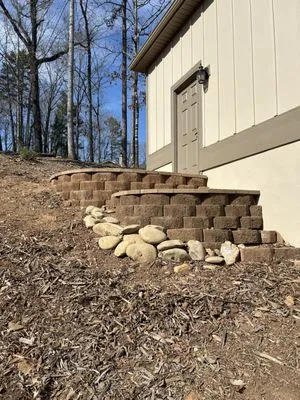
Fresh Start Landscape is your locally owned and operated landscaping and masonry company serving Pickens and the Upstate of South Carolina. Owned by Richard Marsh, we are a full-service team dedicated...
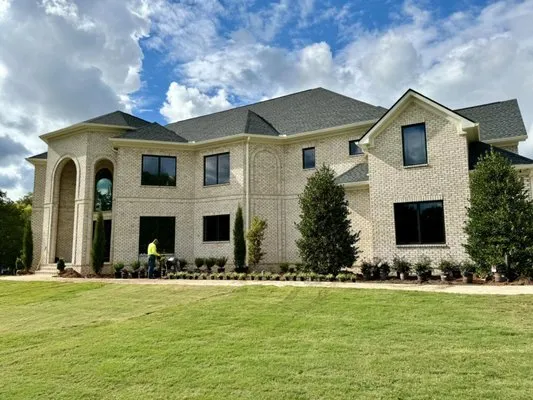
Upstate Landscapers
Upstate Landscapers is a full-service landscape company based in Anderson, SC, proudly serving the Upstate region including Pendleton, Clemson, and Central. Founded in 2016, we specialize in creating ...
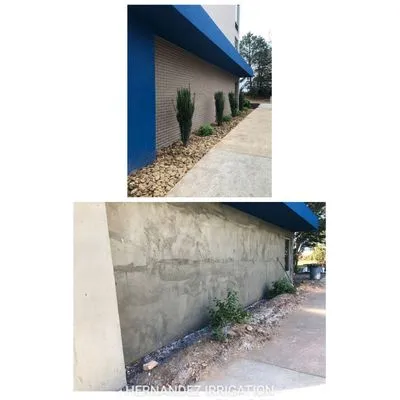
Hernandez landscaping and irrigation system
Hernandez Landscaping and Irrigation System is a family-owned business serving Anderson, SC, with comprehensive outdoor solutions. We specialize in transforming your outdoor vision into reality throug...
Touch Free Lawn Care is a Seneca-based, owner-operated landscaping company serving Clemson and the Upstate since 2009. Licensed and insured in South Carolina, they specialize in comprehensive property...

First Impression Lawn Service was founded by Vic, who made a significant career change from manufacturing to pursue his passion for lawn care and gain more family time. This personal transition fuels ...
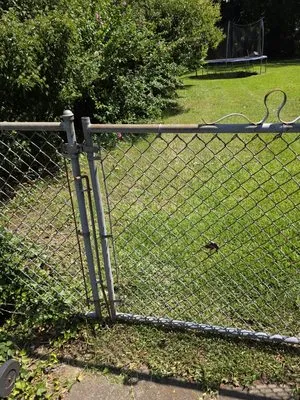
They See Me Mowing is a dedicated lawn care provider serving Anderson, SC. We focus on reliable, recurring maintenance to keep your yard lush and healthy, freeing up your weekends for what matters mos...
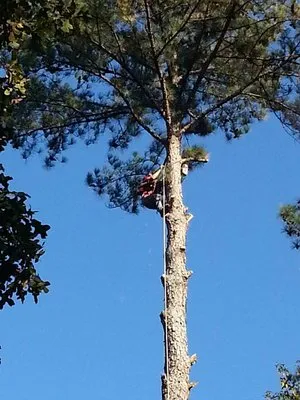
With over 23 years of hands-on experience in the tree and land business, Whitfield Land and Tree has been a trusted local service in Pendelton, SC, for more than 15 years. We specialize in managing st...
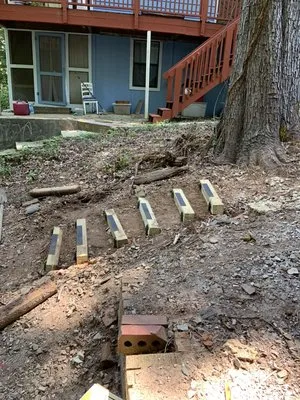
Aaron Handyman is a trusted, full-service home and landscape company serving the Seneca, SC community. We specialize in handyman repairs, home installations, and comprehensive outdoor services includi...
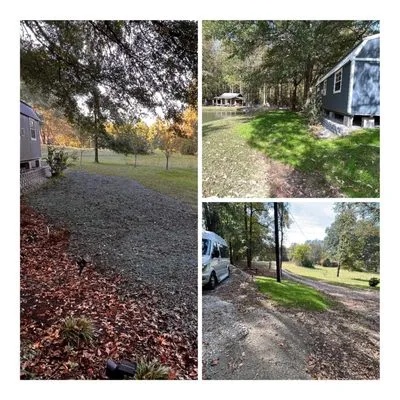
Carolina Grade is a trusted lawn care provider serving Anderson, SC, specializing in comprehensive lawn maintenance and problem-solving for local homeowners. We understand the common landscaping chall...
Estimated Landscaping Service Costs in Walhalla, SC
Common Questions
What invasive species should I watch for, and how are they treated?
Primary invasive alerts for Zone 7b include Japanese Stiltgrass and Chinese Privet. Manual removal before seed set is most effective. For established patches, a targeted, EPA-approved herbicide application by a licensed professional is required, strictly scheduled outside the state BMP's nitrogen application blackout period during turf dormancy. This prevents violation of local fertilizer ordinances while protecting native plant communities.
My yard has standing water after heavy rain. What's the best long-term solution?
Moderate runoff is common due to the clay component in Walhalla's acidic soils. A graded French drain system or a dry creek bed using native Blue Ridge Granite can effectively redirect water. This permeable hardscape material increases infiltration and meets Walhalla Planning & Zoning Department standards for managing on-site runoff. Combining this with soil amendment addresses the underlying compaction hazard.
What's your emergency response time for storm damage cleanup?
For urgent HOA compliance or safety-related cleanups, our dispatch from the Stumphouse Mountain Tunnel area uses SC-11 for primary access. This routing typically ensures a crew arrival within 20-30 minutes during peak conditions. Our fleet includes electric-powered equipment compliant with local quiet hours, allowing for immediate work upon arrival without ordinance violations.
How can I keep my Tall Fescue green during Walhalla's voluntary water conservation stage?
Smart Wi-Fi ET-based irrigation controllers are the standard for efficiency. These systems apply water based on real-time evapotranspiration data and soil moisture, preventing overwatering. This technology is key to maintaining Kentucky-31 or Turf Type Tall Fescue within Stage 1 voluntary limits. Properly programmed, it can reduce potable water use by 20-30% compared to traditional timer systems.
Why does my soil seem so compacted and poor compared to newer neighborhoods?
Properties in Downtown Walhalla, built around 1976, have 50-year-old soils. Ultisols in this area are naturally acidic sandy clay loams that compact over decades of standard maintenance. This compaction reduces permeability, creating moderate runoff issues. Core aeration and incorporating composted organic matter are critical to rebuild soil structure and support healthy root zones for your Tall Fescue.
What permits and licenses are needed to regrade my 0.25-acre lot?
Significant grading altering water flow or adding substantial fill typically requires a permit from the Walhalla Planning & Zoning Department. The contractor must hold a license from the South Carolina Contractors' Licensing Board. For a 0.25-acre lot, this ensures the work adheres to state BMPs for erosion control and meets local codes, protecting you from liability and ensuring the project's long-term stability.
Is there a lower-maintenance alternative to my weekly mowing schedule?
Transitioning high-input turf areas to a xeriscape with native plants like Eastern Redbud, Mountain Laurel, Purple Coneflower, and Switchgrass drastically reduces water, mowing, and fertilization needs. This approach aligns with evolving 2026 standards, anticipating tighter restrictions on gas-powered blowers and mowers due to noise ordinances. Native plantings also support local biodiversity and require no nitrogen input during dormancy.
Is Blue Ridge Granite a better choice than wood for a new patio?
Native Blue Ridge Granite offers superior longevity and minimal maintenance compared to wood, which decays in our humid climate. Its non-combustible nature contributes directly to Fire Wise WUI Zone 2 compliance by creating defensible space. For patios or walkways, granite's permeability also aids in managing stormwater runoff, a factor often reviewed during permit approval for projects affecting drainage patterns.
