Top Landscaping Services in Utica, SC, 29678 | Compare & Call
There are 133 landscaping companies server in Utica SC

For over 30 years, Keith Sheriff Landscaping has been a trusted name in the Upstate, providing comprehensive landscape services to Seneca and surrounding communities. We specialize in creating beautif...
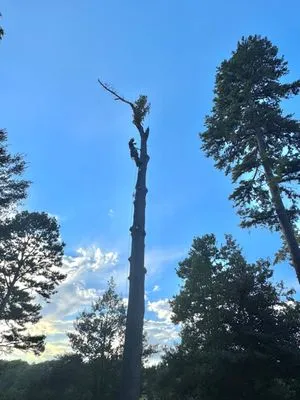
Bearden Forestry is a trusted, locally-owned tree service, landscaping, and excavation company serving Seneca, SC, and the surrounding areas. We specialize in excavation, landscape maintenance, tree c...
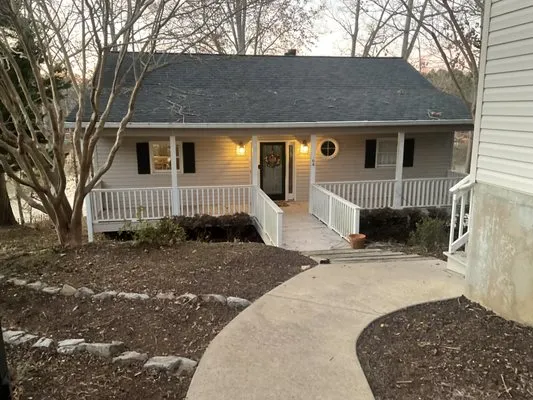
Davids Superscapes And Lawn Maintenance
David's Superscapes and Lawn Maintenance has been a trusted name in Seneca, SC, and the surrounding Anderson area for over 15 years. Specializing in comprehensive landscaping, irrigation, and design s...
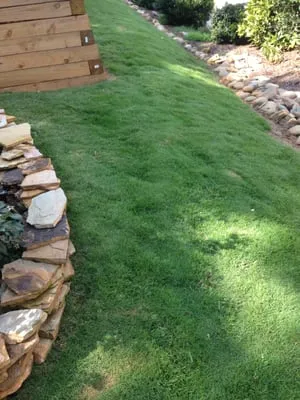
Troyer Lawncare is a locally owned and operated lawn service provider based in Seneca, South Carolina, serving the Seneca, Fair Play, and Westminster areas. Founded by a dedicated young professional c...
Carl's Lawn Care is a high-end lawn maintenance provider dedicated to serving homeowners in Seneca, SC, and the surrounding communities. We focus on delivering consistent, high-quality service with a ...
Comfort Oaks Landscaping is a licensed and insured lawn care and landscaping service provider based in Seneca, SC, specializing in custom landscaping solutions. We offer a range of services including ...
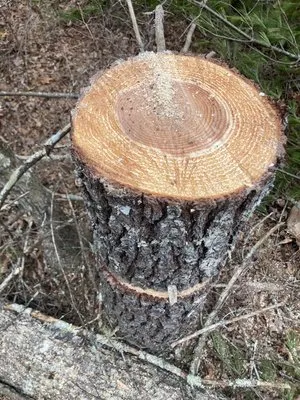
Ramey Tree And Lawn Care Service is a trusted local provider in Seneca, SC, dedicated to maintaining healthy and attractive properties. We understand that homeowners in our area frequently deal with o...
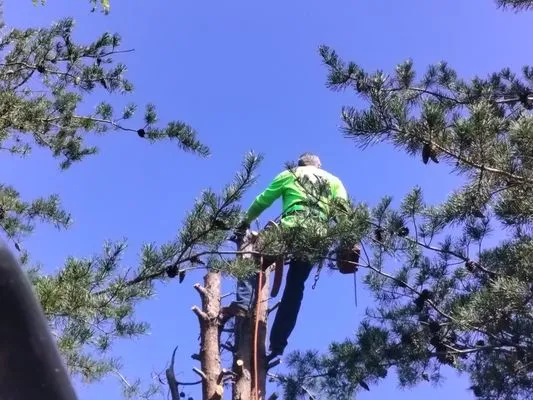
Razors Edge Lawn Care and Tree Work is a locally owned and operated tree and lawn service based in Seneca, SC. We specialize in comprehensive tree care, from planting and pruning to removal and stump ...
Sumo Homes is a trusted landscaping company serving Seneca, SC, dedicated to enhancing outdoor spaces with practical, lasting solutions. We specialize in addressing common local issues like lawn insec...
Thrive Turf is a Seneca-based lawn care company dedicated to solving common local landscaping challenges. Many homes in the area struggle with issues like standing water in yards and poor lawn grading...
Estimated Landscaping Service Costs in Utica, SC
Q&A
We want to regrade part of our 0.35-acre lot to fix drainage. What permits and contractor qualifications are needed?
Regrading that alters water flow or involves significant cut/fill typically requires a land disturbance permit from the Oconee County Planning & Zoning Department. For a property of this size, the work must be performed by a contractor licensed by the South Carolina Contractors' Licensing Board. This ensures they carry requisite liability insurance and understand state-specific best management practices for erosion control, which is critical for protecting neighboring parcels in the Historic District.
Our backyard turns into a pond after heavy rain. What's a long-term solution that also looks good?
Saturated clay conditions and high runoff require subsurface intervention. Installing a French drain system tied to a dry well addresses the hydraulic issue. For surface hardscaping, specify permeable concrete pavers, which allow stormwater to infiltrate directly into the subgrade. This combination often meets the Oconee County Planning & Zoning Department's post-construction runoff standards and eliminates standing water.
We have an HOA compliance deadline for storm debris cleanup. How quickly can a crew respond to our neighborhood?
A crew can typically be dispatched within 24 hours for an emergency cleanup. Routing from the Utica Memorial Park staging area via US-123 allows for a consistent 20-30 minute arrival to the Historic District, even during peak traffic. This ensures prompt removal of debris to meet HOA standards and mitigate any immediate safety hazards from downed limbs or saturated ground conditions.
We're adding a patio and are deciding between wood decking and pavers. Which is better for our climate and safety?
Permeable concrete pavers offer superior longevity and lower lifetime maintenance than wood in Utica's humid climate. They are non-combustible, which directly supports creating defensible space as recommended by Firewise USA Community Standards for areas with a Moderate rating. Pavers also mitigate the heat island effect and, when installed with proper base materials, maintain excellent stability in expansive clay soils.
Our yard has the same dense, clay soil as the rest of the Utica Historic District. Why is it so hard to work with, and what can we do about it?
Utica's 1991-era construction means 35 years of soil compaction and depletion. The prevalent Ultisol clay loam naturally has low permeability and can become acidic, often testing at pH 5.5-6.2. This creates a hardpan that restricts root growth and water infiltration. Core aeration in fall or early spring, followed by top-dressing with 1/4 inch of compost, introduces organic matter to improve soil structure and cation exchange capacity.
We've spotted what looks like Chinese Privet invading our tree line. How should we handle it safely?
Chinese Privet is a pervasive invasive in Zone 8a. For small specimens, careful hand-pulling is effective. Larger infestations require a targeted cut-stump treatment with a glyphosate-based herbicide applied directly to the fresh cut. This precise method minimizes environmental impact. Always conduct a soil test first, as the local fertilizer ordinance prohibits phosphorus application without validated deficiency, ensuring treatment does not inadvertently violate regulations.
We're tired of weekly mowing and gas-powered maintenance. What's a more ecologically sound landscape option?
Transitioning sections of high-input turf to a native plant community is a forward-thinking solution. A matrix of Switchgrass, Purple Coneflower, Eastern Redbud, and Beautyberry provides year-round interest, supports 2026 biodiversity targets, and requires minimal maintenance once established. This reduces mowing frequency and aligns with evolving noise ordinances that restrict gas-powered blowers and mowers during evening hours.
With Stage 1 water conservation in effect, how do we keep our Tall Fescue healthy without wasting water?
An ET-based, Wi-Fi weather-sensing irrigation controller is essential. It calculates evapotranspiration daily, adjusting runtime to replace only the water the turfgrass uses. For Utica's clay loam, this means programming for longer, less frequent cycles to encourage deep rooting and avoid runoff. This system can maintain turf health while reducing potable water use by 20-30%, well within voluntary conservation guidelines.
