Top Landscaping Services in Timmonsville, SC, 29161 | Compare & Call
There are 109 landscaping companies server in Timmonsville SC

Timothy Lawn provides expert lawn care services to homeowners and businesses throughout Florence, SC. We understand the common local challenges of dead lawn patches and standing water, which can ruin ...
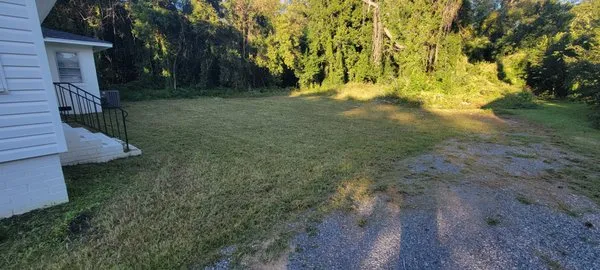
Solo's Lawncare Service provides dedicated lawn care for homeowners in Florence, SC. We understand the common local challenges of uneven sprinkler coverage and damaged landscape edging, which can leav...
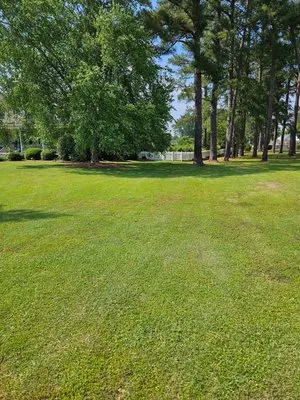
JBug's Lawn Care Service is a family-run business in Lake City, SC, founded by a father for his 11-year-old son. Driven by a shared love for the outdoors and hard work, we offer a full range of lawn c...
Fresh Cut Lawn Services in Florence, SC, is a locally owned and operated lawn care provider dedicated to helping homeowners maintain healthy, attractive outdoor spaces. We understand that every proper...

Ultimate Tree Solutions is a dedicated, locally-owned tree service and landscaping company serving the Lake View community. We operate as a 24-hour hazard tree response team, placing the highest prior...
M&N Exterior Jobs is a Timmonsville-based exterior service provider specializing in pressure washing, lawn care, and gutter services. We help local homeowners and businesses maintain their properties ...
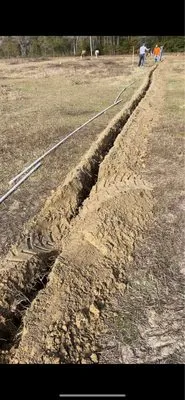
Thompson Property Services is a trusted local provider in Hemingway, SC, specializing in lawn care and wildlife control to keep your property healthy and secure. We understand the unique challenges ho...
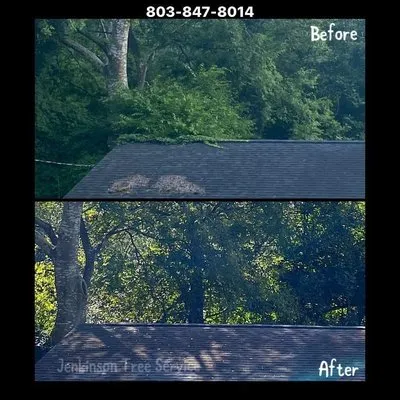
Jenkinson Tree Service is a trusted, locally-owned tree care and landscaping company serving Summerton, SC, and the surrounding areas. We specialize in comprehensive tree services including safe remov...
JS Landscaping is a trusted lawn care provider serving Timmonsville, SC, specializing in comprehensive lawn maintenance to keep your property healthy and vibrant. We understand the common local challe...
Estimated Landscaping Service Costs in Timmonsville, SC
Question Answers
How do I keep my centipede grass alive during the summer without wasting water?
With voluntary conservation in effect, smart Wi-Fi ET-based irrigation controllers are critical. These systems use local evapotranspiration data to apply only the water your Centipede grass has actually lost, preventing overwatering. Programming deep, infrequent watering cycles in the early morning encourages deeper root growth and drought tolerance. This method maintains turf health while keeping your usage well within municipal guidelines and respecting the high water table.
I'm tired of weekly mowing. Are there lower-maintenance, eco-friendly options?
Yes. Transitioning sections of high-maintenance turf to a xeriscape of Southeastern natives like Purple Coneflower, Switchgrass, and American Beautyberry drastically reduces water, mowing, and chemical inputs. These plants are adapted to our Zone 8b climate and support local pollinators. This shift also future-proofs your landscape against tightening noise ordinances that restrict gas-powered blowers and mowers, as native beds require minimal seasonal maintenance with electric tools.
What permits and credentials should I verify before hiring for a major grading project?
Any significant grading or earth-moving on a 0.35-acre lot requires a licensed professional. Verify an active license with the South Carolina Contractors' Licensing Board. The contractor must also pull a land disturbance permit from the Florence County Planning & Building Department to ensure the work complies with erosion control and stormwater management ordinances. Using an unlicensed individual for this scale of work risks improper grading that exacerbates drainage problems and may result in fines and uncorrectable property damage.
My yard stays soggy for days after a rain. What's the best solution?
Seasonal saturation is common with our sandy loam soil and high water table. The primary fix is improving subsurface drainage through French drains or dry creek beds that direct water away from foundations. For any new patios or walkways, specify permeable installations using local crushed granite or concrete pavers set on a gravel base. This meets Florence County runoff standards by allowing water to infiltrate rather than contributing to stormwater overload.
Should I use wood or stone for a new patio? I want something long-lasting.
For longevity and reduced maintenance, concrete pavers or local crushed granite are superior to wood. These inorganic materials do not rot, warp, or attract termites. They also contribute to a 'Fire Wise' landscape by creating a non-combustible defensible space, which is a prudent measure even in our moderate-risk rating. A properly installed stone or paver hardscape will outlast wood by decades and provides better permeability to manage our seasonal saturation.
How quickly can you respond for an emergency cleanup to meet an HOA deadline?
For urgent HOA compliance or storm damage cleanup, our electric maintenance fleet can dispatch from the Timmonsville Town Hall area. Using I-95 for efficient routing, we target a 20-30 minute arrival during peak response windows. This allows for immediate debris removal and mowing while adhering to standard noise ordinance quiet hours (10 PM - 7 AM), ensuring no violation from late-evening equipment use.
What invasive weeds should I watch for, and how do I control them safely?
In Timmonsville, key invasive alerts include Chinese Privet, Japanese Honeysuckle, and Cogongrass. Manual removal for young plants is most effective. For mature infestations, targeted herbicide application in late fall or early spring is necessary, but you must strictly follow state BMP guidelines. This means no application before forecasted heavy rain to prevent chemical runoff into our vulnerable water table. Always identify the species before treatment to select the correct, minimal-impact method.
My yard's soil seems thin and tired. What's the likely history of my lot, and what should I do?
Homes built around 1981 in Downtown Timmonsville typically sit on 45-year-old construction-grade soil, which is often compacted Ultisol sandy loam. This natural soil type is acidic (pH 5.5-6.2) and prone to nutrient leaching. Decades of foot traffic and mowing have likely reduced permeability, creating a hardpan layer. Core aeration and incorporating 2-3 inches of organic compost are essential to rebuild soil structure and support healthy root zones.
