Top Landscaping Services in Taylors, SC, 29609 | Compare & Call

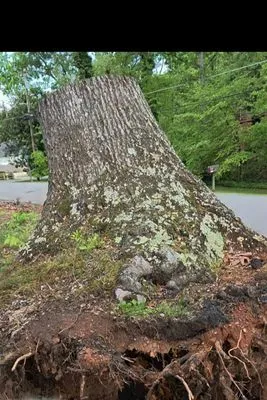
Stone's Stump Grinding is a trusted, family-owned and operated business serving Taylors, SC, and the surrounding areas for nearly 20 years. We specialize in a comprehensive range of tree and land serv...
Staggs Landscaping is a trusted, locally-owned landscaping company serving Taylors, SC, and the surrounding Upstate communities. We understand the common local frustrations homeowners face, such as dy...
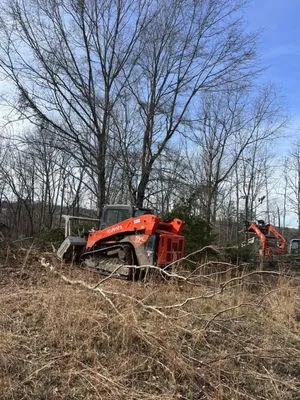
Ortiz Tree Service & Land Clearing is a trusted, locally-owned company serving Taylors, SC, and the surrounding Upstate. With over 15 years of hands-on experience, we provide a full range of expert tr...
Universal Lawn and Floor is a Taylors, SC-based company owned and operated by Donnie Young. Founded in 2015, the business started with a focus on landscaping and earned a contract with Habitat for Hum...
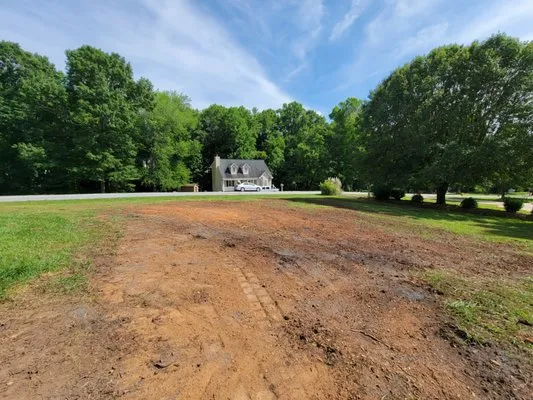
Sherwood Grading & Dirt Works is a trusted excavation and landscaping company serving Taylors, SC, and the surrounding areas. We specialize in a comprehensive range of services, including soil backfil...
Palmetto Lawn and Pest is a locally owned and operated lawn care service in Taylors, SC, founded by David, who has been passionate about lawn care since he was old enough to push a mower. With years o...

Good 2 Go is a comprehensive property solutions company serving Taylors, SC, specializing in landscaping, demolition, and junk removal. We understand the common challenges Taylors homeowners face, lik...
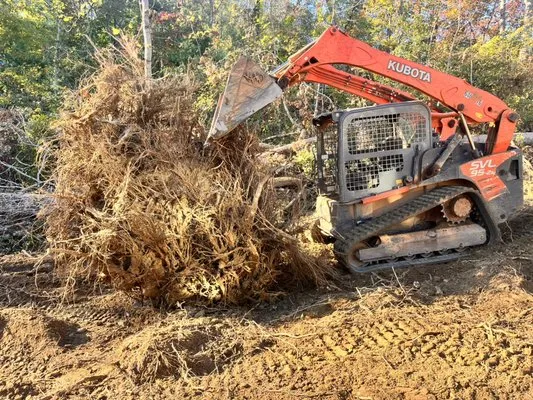
Summer View Landscaping is a trusted, locally-owned landscaping company serving Taylors, SC, and the surrounding Greenville County area. We specialize in comprehensive landscape maintenance and soluti...
A n J Tree Service is a locally-owned and insured tree and shrub care company serving Taylors, SC, and the surrounding Upstate. With a focus on comprehensive plant health, we offer a full range of ser...

Greenscape Landscaping is a dedicated local landscaping company serving Taylors, SC, and the surrounding Upstate area. We specialize in diagnosing and solving common Upstate landscaping challenges, su...
Frequently Asked Questions
Can I maintain healthy Tall Fescue while following Taylors' Stage 1 water conservation guidelines?
Smart Wi-Fi ET-based weather sensing irrigation systems precisely match watering to actual evapotranspiration rates, typically reducing water use by 20-30% compared to traditional timers. These systems automatically adjust for rainfall and humidity, keeping Tall Fescue or Zoysiagrass within their 1-1.5 inch weekly water needs. This technology ensures compliance with voluntary conservation measures while preventing drought stress during summer months.
What permits and licenses are needed for grading my 0.35-acre Taylors property?
Grading projects on 0.35-acre lots require Greenville County Planning & Development permits for any significant earth movement, especially near property lines or drainage ways. Contractors must hold appropriate South Carolina Department of Labor, Licensing and Regulation certifications for erosion control and stormwater management. Unlicensed grading can cause downstream sedimentation violations and structural issues, particularly in clay soils with poor stability when disturbed.
How quickly can you respond to an emergency tree cleanup after a storm in Taylors?
Our electric maintenance fleet can dispatch from Taylors Mill within 25-35 minutes during peak response times. We route via US-29 to minimize travel delays while complying with Taylors' 9:00 PM to 7:00 AM noise restrictions. This allows same-day assessment and debris removal for HOA compliance issues. Electric equipment operates quietly enough for early morning starts when immediate cleanup is required.
How can I reduce lawn maintenance while preparing for stricter noise regulations?
Replacing high-maintenance turf with native plant groupings of Eastern Redbud, Purple Coneflower, Switchgrass, Beautyberry, and Joe-Pye Weed creates self-sustaining ecosystems requiring minimal intervention. These adapted species thrive in Zone 8a with only seasonal pruning, eliminating weekly mowing and frequent gas-blower use. This transition positions properties ahead of evolving noise ordinances targeting combustion equipment while supporting 2026 biodiversity standards.
What invasive species should I watch for in Taylors, and how do I treat them safely?
Japanese stiltgrass and Chinese privet pose significant threats in Taylors' disturbed soils, outcompeting natives and reducing biodiversity. Manual removal before seed set combined with targeted spot treatments avoids broadcast herbicide use. Always check SC BMP guidelines for nitrogen application blackout dates before fertilizing after treatment. Proper disposal prevents reinfestation while protecting water quality in clay soils prone to runoff.
What's the best solution for runoff problems in my clay-heavy Taylors yard?
Cecil Sandy Clay Loam's high clay content causes significant compaction-related runoff during heavy rains. Installing permeable concrete pavers or flagstone with gravel bases creates infiltration zones that meet Greenville County Planning & Development runoff standards. These materials allow 4-8 inches per hour of water penetration versus impervious surfaces. Combined with French drains in problem areas, this approach redirects water from foundations while recharging groundwater.
Why does my Taylors Station yard have such compacted soil that struggles to absorb water?
Taylors Station homes built around 1981 have 45-year-old landscapes with Cecil Sandy Clay Loam soil that has become increasingly compacted over decades. This soil type naturally tends to harden with foot traffic and equipment use, reducing permeability to below 0.5 inches per hour. Core aeration with organic compost amendments is necessary to restore soil structure and microbial activity. Without intervention, water will continue to pool rather than infiltrate, stressing turf and plant roots.
Are concrete pavers better than wood for Taylors patios considering fire safety?
Concrete pavers and flagstone provide superior longevity and fire resistance compared to wood in Taylors' Moderate WUI Zone 2 fire risk areas. These non-combustible materials maintain defensible space requirements while withstanding freeze-thaw cycles in Zone 8a. Their 30+ year lifespan versus wood's 10-15 years reduces replacement frequency. Proper installation with fire-resistant ground covers creates both aesthetic and safety benefits.
