Top Landscaping Services in Sandy Springs, SC, 29677 | Compare & Call
There are 175 landscaping companies server in Sandy Springs SC
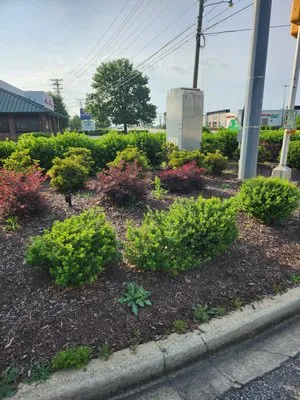
Down and Dirty Landscapes is a Pendleton, SC-based landscaping company dedicated to solving common local yard problems. We specialize in addressing sprinkler coverage gaps that leave patches of your l...
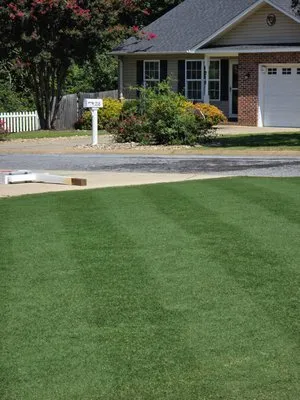
Titan Turf is a locally owned and operated lawn care provider in Anderson, SC, dedicated to delivering dependable, personalized service. We assign the same experienced professional to your property fo...
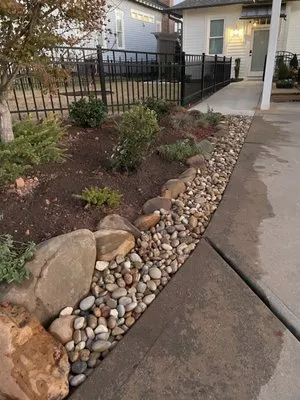
White Hawk Landscapes
White Hawk Landscapes is an owner-operated lawn and landscape service in Pendleton, SC, founded by Clemson University–trained horticulturist Madison Corley. We specialize in applying proven horticultu...
Nick's Lawn Care and Landscaping is a trusted, locally-owned service provider in Anderson, SC, specializing in comprehensive lawn care and maintenance. We understand the common local landscaping chall...
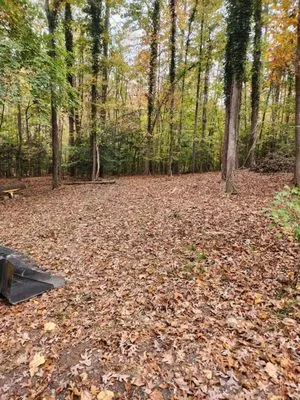
LCR Land Management is a locally owned and operated business in Williamston, SC, founded in 2023 with a commitment to serving the community. Starting with a single skid steer and trailer, owner [Name]...
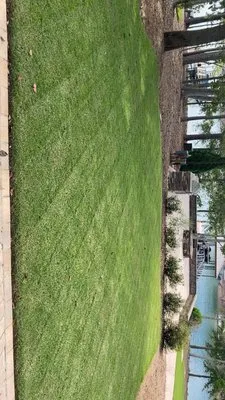
Ez Living Services is a Westminster-based lawn care provider dedicated to creating and maintaining healthy, beautiful yards across the community. We specialize in addressing the common local landscapi...
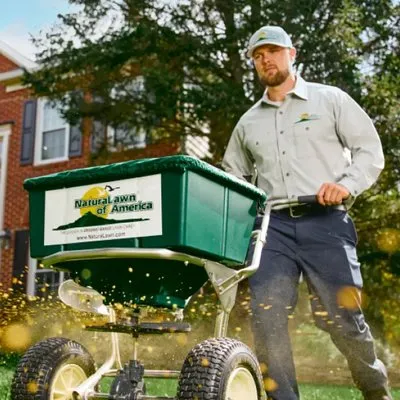
NaturaLawn of America in Greenville, SC brings over 40 years of lawn care expertise with a deeply personal commitment to safety. As a family touched by cancer, we understand the risks of chemical expo...
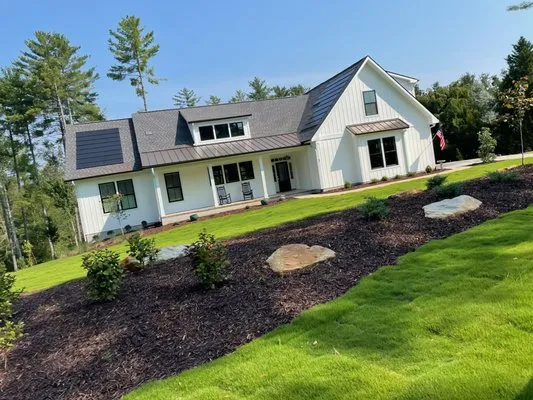
Carter Landscaping & Junk Removal is a locally owned and operated business serving Simpsonville, SC, and the greater Greenville area. We provide comprehensive commercial and residential landscaping an...
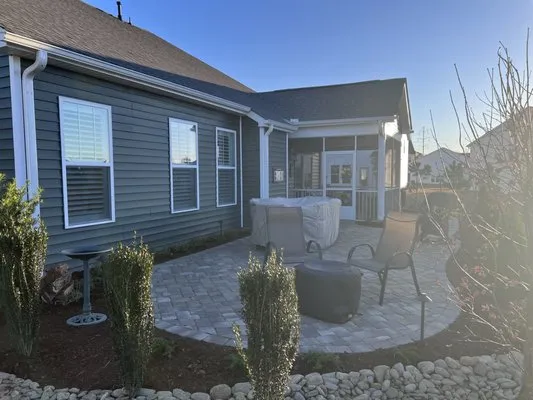
T Squared Landscaping & Hardscaping
T Squared Landscaping & Hardscaping brings over three decades of experience to Greenville and Upstate SC, specializing in comprehensive outdoor solutions. Founded in 1990 by Tommy, who previously work...
Chavez Landscape & Irrigation is a family-owned business serving Piedmont and the Upstate with comprehensive outdoor solutions. We specialize in both irrigation and landscaping, offering services from...
Estimated Landscaping Service Costs in Sandy Springs, SC
Question Answers
What invasive plants should I watch for, and how do I remove them without harming my garden?
Common invasive alerts for Zone 8a include Chinese Privet and Japanese Stiltgrass. Manual removal or targeted, systemic herbicide application during the plant's active growth phase is most effective. Always follow the South Carolina BMP guidelines for nitrogen and chemical application, avoiding treatment during seasonal blackout dates to protect local waterways. Proper disposal prevents re-establishment.
A storm knocked down a large limb. How quickly can a crew arrive for an emergency cleanup to meet HOA standards?
For urgent situations, we prioritize dispatch from our central location near Sandy Springs Fire Station 1. Using US-76, our peak storm response time to the Sandy Springs Residential Corridor is 20-30 minutes. Crews carry electric chippers and hauling equipment to clear debris safely and efficiently, ensuring compliance with local property maintenance codes without delay.
We have minor erosion on a sloped part of our yard. What's a durable solution that also handles runoff?
The moderate erosion potential on your terrain is common with sandy loam soils, which have low aggregate stability. Installing a permeable base under concrete pavers or local granite creates a stable, infiltrative surface. This system manages sheet flow, reduces sediment loss, and meets the Anderson County Planning and Building Department's standards for stormwater management by mimicking natural groundwater recharge.
I want to reduce mowing and gas equipment noise. What are some lower-maintenance landscape options?
Transitioning high-input turf areas to a xeriscape with native plants like Eastern Redbud, Purple Coneflower, Switchgrass, and Beautyberry significantly reduces maintenance. These plants are adapted to the local climate and acidic soil, requiring minimal water once established. This shift preempts tightening noise ordinances on gas-powered blowers and mowers, supporting the community's shift toward quieter, electric maintenance fleets.
Are concrete pavers a better long-term choice than wood for a new patio, considering fire safety?
Yes, concrete pavers and local granite offer superior longevity and permeability compared to wood, which decays in our humid climate. For properties in moderate Fire Wise zones, these non-combustible materials are ideal for creating the required 5-foot defensible space buffer around structures. They provide a permanent, low-maintenance surface that does not contribute to fire fuel load.
We want to regrade a section of our 0.45-acre lot. What permits and contractor qualifications are needed?
Any significant grading that alters water flow or involves cut/fill exceeding 18 inches typically requires a permit from the Anderson County Planning and Building Department. For work on a lot of this size, you must hire a contractor licensed by the South Carolina Contractors' Licensing Board. This ensures they carry proper insurance and adhere to state BMPs for erosion control, protecting you from liability and watershed damage.
Our neighborhood lawns seem to struggle compared to older areas. What's different about our soil here in the Sandy Springs Residential Corridor?
Homes built around the year 2000, common here, sit on land graded during construction, stripping away mature topsoil. Over 25 years, the underlying acidic sandy loam Ultisols have compacted, limiting root depth and nutrient cycling. These soils naturally have a low pH of 5.5-6.2 and lack organic matter. Annual core aeration and adding compost are critical to rebuild soil structure and support healthy turf like Tall Fescue.
With Stage 1 water restrictions, how can we keep our Centipedegrass lawn green without wasting water?
Smart Wi-Fi controllers with soil moisture sensors are essential for compliance. These systems use local evapotranspiration (ET) data and direct soil readings to irrigate only when needed, preventing overwatering. For acidic sandy loam, this technology applies water slowly to match the soil's percolation rate, minimizing runoff. This method maintains turf health within voluntary conservation limits, often reducing total water use by 30-40%.
