Top Landscaping Services in Rock Hill, SC, 29730 | Compare & Call
There are 144 landscaping companies server in Rock Hill SC
Pain in the Grass is a veteran-owned lawn care and junk removal service based in Rock Hill, SC, serving the local community with over three years of dedicated experience. Specializing in comprehensive...

Tinys Residential Solutions is your trusted local expert for Rock Hill's outdoor challenges. We specialize in excavation, lawn care, tree services, and trench digging to tackle common local issues lik...
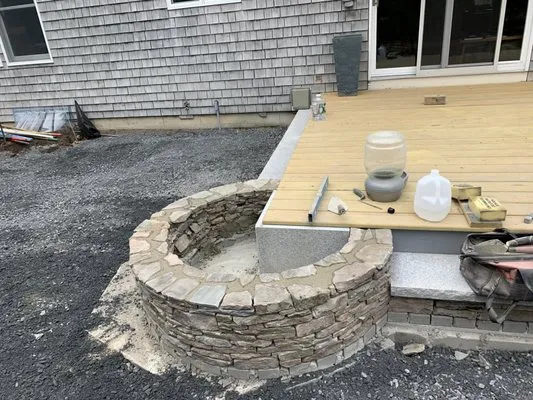
Lighthouse Landscape & Hardscape is a Catawba-based company providing comprehensive outdoor solutions for local homeowners. We specialize in landscaping, hardscaping, and tree services to address comm...

Leoaries is a trusted local business in Rock Hill, SC, providing comprehensive cleaning and lawn care services to keep commercial and residential properties in top condition. Specializing in carpet cl...
J&u Lawn Care is a family-owned landscaping business serving Rock Hill, SC, with a focus on personalized, reliable service. They specialize in comprehensive shrub and tree care, including planting, pr...
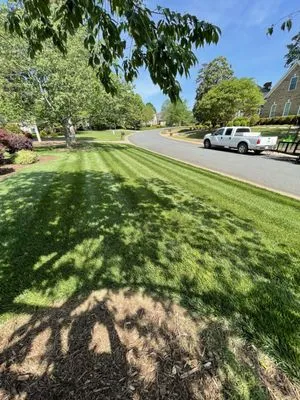
Teague Lawn Creations is a family-owned lawn and tree service company serving Fort Mill, SC, founded by Bryan Teague, a Turf Management graduate with professional sports turf experience. We specialize...

Campbell's Complete Home Care provides reliable property maintenance for Rock Hill homeowners and landlords. We focus on practical solutions for local landscaping and home upkeep needs, from managing ...
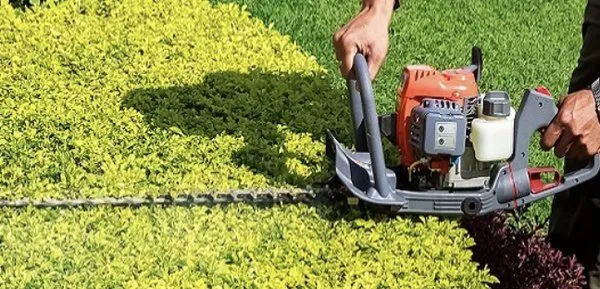
J & J Lawncare is a trusted lawn service provider serving the Rock Hill, SC community. We understand that local homeowners face common challenges like dying shrubs and compacted soil, which can preven...
Westervelt Landscape and Design is a Rock Hill-based landscaping company dedicated to enhancing local outdoor spaces with professional care and expertise. Serving the Rock Hill community, they special...
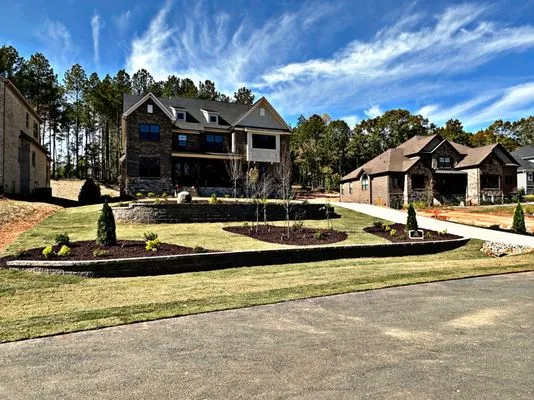
Westervelt Landscape and Design is a trusted landscaping company serving Rock Hill, SC, and the surrounding areas. We specialize in creating and maintaining beautiful, healthy outdoor spaces tailored ...
Estimated Landscaping Service Costs in Rock Hill, SC
Questions and Answers
We see invasive vines choking our shrubs. How do we treat them safely?
Common invasive species here, like Japanese Honeysuckle or Kudzu, require precise treatment. Manual removal is best for small infestations. For larger issues, targeted, systemic herbicide application in late summer or fall is most effective, following Clemson University Extension Best Management Practices. Strict adherence to local phosphorus restrictions and seasonal blackout dates is critical. Always identify the species first, as treatment timing and method are specific to ensure eradication and protect surrounding natives like Beautyberry.
We're adding a patio. Are modular concrete pavers better than wood here?
For longevity and low maintenance in Rock Hill's climate, modular concrete pavers or flagstone outperform wood. They do not rot, warp, or attract termites, and their installation over a proper gravel base prevents frost heave in Zone 8a. Furthermore, non-combustible hardscape materials like these contribute to a defensible space, which is a consideration for properties in areas with a Moderate Firewise rating. They provide a permanent, fire-resistant zone adjacent to the home.
We need significant grading and drainage work. What permits and licensing should we verify?
Any grading that alters water flow or involves significant earthmoving on a 0.22-acre lot typically requires a permit from the Rock Hill Planning & Development Department to ensure compliance with stormwater regulations. The contractor must hold a valid license from the South Carolina Contractors' Licensing Board for the work's value and scope. This licensing ensures they carry required insurance and adhere to state building codes, protecting you from liability and substandard work that could cause future drainage or structural issues.
We want to reduce mowing and gas equipment noise. What are our options?
Replacing high-input turf areas with a layered planting of native species like Eastern Redbud, Purple Coneflower, and Switchgrass significantly reduces maintenance. These plants require no weekly mowing, minimal irrigation once established, and support local biodiversity. This transition also future-proofs your property against tightening noise ordinances targeting gas-powered blowers and mowers. An electric maintenance fleet, necessary for compliance, operates quietly within the 10 PM to 7 AM quiet hours.
A storm damaged trees, and our HOA gave a 48-hour cleanup notice. How fast can you respond?
Our electric maintenance fleet operates within municipal noise ordinances, allowing daytime work without restriction. For an emergency in Old Town, our standard dispatch routes from our base near Glencairn Garden, using I-77 to minimize transit. We can typically mobilize a crew and reach a site within your 20-30 minute peak storm response window to address immediate safety and compliance hazards.
Our yard floods after heavy rain. Is this a common issue with our soil type?
Yes, high clay content in Cecil Sandy Clay Loam creates compaction-induced runoff, a frequent issue here. The soil's low permeability prevents water from infiltrating, causing surface flow. Solutions include installing French drains or dry creek beds to channel water, and amending soil with compost to improve infiltration. For new hardscapes, specifying permeable modular concrete pavers can meet Rock Hill Planning & Development Department runoff standards by allowing water to pass through the surface.
Our lawn in Old Town looks tired and compacted. Is it just age?
Homes built around 1995, like many in Old Town, now have 30-year-old soil. The original Cecil Sandy Clay Loam (Ultisols) has become heavily compacted from decades of traffic, reducing permeability and root oxygen. Its natural pH of 5.5-6.0 also locks up phosphorus over time. Restoring soil health requires core aeration to relieve compaction and the addition of organic compost to rebuild structure and nutrient cycling.
How do we keep our Tall Fescue green during Rock Hill's voluntary water conservation stage?
Stage 1 voluntary conservation relies on efficient technology. An Evapotranspiration (ET) weather-based smart controller adjusts irrigation schedules daily based on local weather data, applying water only when the turf needs it. This system can reduce water use by 20-30% compared to standard timers, maintaining Tall Fescue's health within municipal limits. Deep, infrequent watering cycles encouraged by ET controllers also promote deeper root growth, improving drought tolerance.
