Top Landscaping Services in Powdersville, SC, 29611 | Compare & Call
There are 201 landscaping companies server in Powdersville SC
Freeman Landscapes is a trusted landscaping company serving Powdersville, SC, and the surrounding areas. We specialize in addressing common local yard challenges, particularly drainage issues and stan...
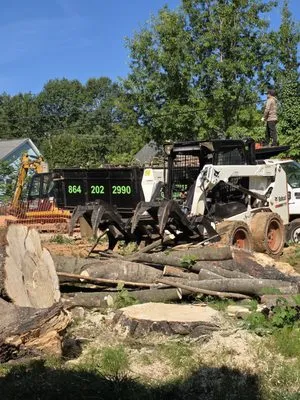
Morales Services is a trusted, locally-owned Greenville business providing comprehensive outdoor solutions for homeowners. We specialize in landscaping, tree care, and excavation, directly addressing ...
Bread House Landscaping is a trusted Greenville, SC provider of comprehensive lawn, tree, and pressure washing services. We specialize in addressing common local landscaping challenges, particularly s...
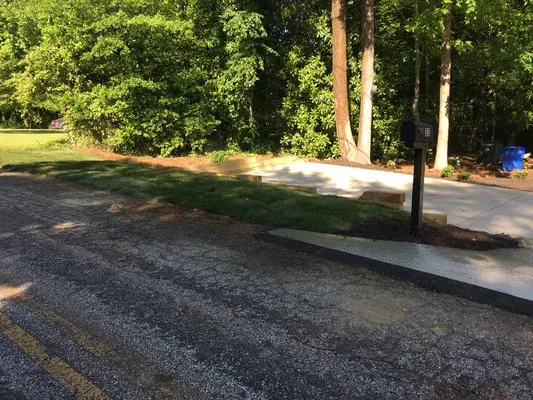
Valdivia Lawn Care is a trusted landscaping and irrigation company serving Greenville, SC homeowners. We specialize in comprehensive solutions for common local issues like overgrown shrubs and standin...
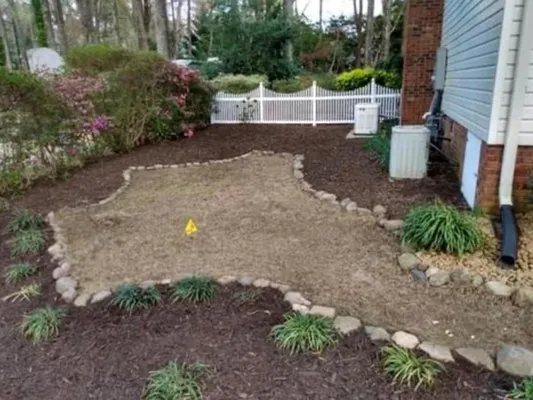
Beautiful Help is a Greenville, SC-based landscaping and design company specializing in resolving common local yard issues like standing water and sprinkler coverage gaps. We provide expert landscape ...

KCFR Repairs and Landscaping
KCFR Repairs and Landscaping is a trusted, full-service contractor serving Piedmont and the surrounding areas. We specialize in both indoor and outdoor improvements, offering comprehensive solutions f...
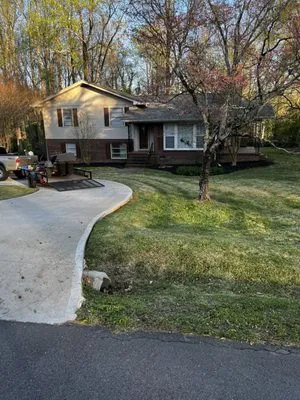
J.T.C. Lawn Care is a family-owned and operated lawn service dedicated to Greenville, SC. We believe a well-maintained lawn is a source of pride for any homeowner, and we're here to help you achieve t...
Sanders & Sanders Lawn Care is a trusted, family-owned lawn service provider serving homeowners throughout Powdersville, SC. We understand the unique challenges of Upstate lawns, from stubborn lawn fu...

Greenville Landscaping Near Me has deep roots in our community, originally starting its service under a different name back in 2011 in Greenville County. Founded by Dakota P., whose background in busi...
Almighty Finish is your trusted local landscaping expert serving Powdersville, SC. We understand the unique challenges homeowners face in our area, particularly with sprinkler leaks that waste water a...
Estimated Landscaping Service Costs in Powdersville, SC
Q&A
How fast can you respond for an urgent HOA violation notice?
For an emergency cleanup or compliance mowing, our dispatch from the Powdersville Middle School area allows rapid access to I-85. This routing typically yields a 20-30 minute arrival in Powdersville Estates during peak storm response windows. We prioritize these calls to address overgrown turf or storm debris before fines are issued, coordinating directly with property managers when required.
Why does my soil seem so hard and tired compared to my neighbor's?
Powdersville Estates lots, built around 1993, have 33-year-old soil profiles. Original construction likely stripped the topsoil, leaving behind the native Cecil Sandy Loam subsoil. This Ultisol, with its high clay content, has become compacted over decades, reducing permeability and root penetration. Annual core aeration and a topdressing of composted organic matter are necessary to rebuild soil structure and correct the inherent low pH.
My yard floods after every rain. What's the long-term fix?
Surface ponding is a direct symptom of the high clay content in Cecil soils, which causes severe compaction and inhibits percolation. The solution integrates subsurface drainage with surface amendments. For hardscape areas, using permeable concrete pavers or an open-graded crushed granite base can meet Anderson County runoff standards by allowing infiltration, while regrading and incorporating organic matter improves the native soil's capacity to absorb water.
What permits and licenses are needed to regrade my backyard?
Significant grading on a 0.45-acre lot typically requires a land disturbance permit from Anderson County Planning & Development. Furthermore, any contractor performing this work must hold appropriate licensing through the South Carolina Department of Labor, Licensing and Regulation. This ensures they are bonded, insured, and knowledgeable about state sediment control and BMP regulations, protecting you from liability and substandard work.
What are the biggest weed threats and how do I handle them safely?
Invasive species like Japanese stiltgrass and Chinese privet are prevalent. Treatment requires precise timing and method to avoid violating state BMPs, which restrict phosphorus application in non-deficient soils. For stiltgrass, a pre-emergent in late winter is key, while privet requires targeted cut-stump treatment. Always follow label instructions and be aware of any local blackout dates for fertilizer or herbicide applications to protect watersheds.
Can I keep my lawn green during water restrictions?
Yes, using technology is key under Stage 1 voluntary conservation. Wi-Fi ET-based weather-sensing controllers adjust irrigation schedules daily based on local evapotranspiration data. This ensures Tall Fescue or TifTuf Bermuda receives precise water volumes, eliminating waste from fixed timers. This method maintains turf health while keeping your property well within municipal water use guidelines, even during summer heat.
Are concrete pavers a better choice than wood for a new patio?
For longevity and fire resilience, inorganic materials like concrete pavers or crushed granite are superior. They do not rot, warp, or attract termites. In a Moderate Firewise-rated community, these materials also contribute to defensible space by creating a non-combustible zone near the home. Their durability and low maintenance offer a better lifecycle value compared to wood, which requires regular sealing and replacement.
Is there a quieter, lower-maintenance alternative to my grass?
Transitioning perimeter zones to a xeriscape with native plants like Eastern Redbud, Purple Coneflower, Switchgrass, and Beautyberry significantly reduces mowing and blowing. This approach conserves water, provides habitat, and future-proofs your landscape against evolving noise ordinances that may restrict gas-powered equipment. These adapted species thrive in Zone 8a with minimal inputs once established.
