Top Landscaping Services in Pineridge, SC, 29169 | Compare & Call
There are 197 landscaping companies server in Pineridge SC

C Moore Painting Landscaping is a trusted, locally-owned business in Cayce, SC, specializing in both professional painting and landscaping services. We help Cayce homeowners enhance their property's c...
Hillcrest Outdoor Services is a trusted landscaping and tree care provider serving Cayce, SC. We specialize in landscape maintenance and tree care services to address common local issues like poor law...
His Lawn Care is a dedicated local lawn service provider serving the Cayce, SC community. We specialize in comprehensive lawn care solutions designed to tackle the specific landscaping challenges comm...

Hello, I'm Torin Gordon, owner of Columbia Lawn Pro. I was born and raised right here in the Columbia area, in the St. Andrews community, and now proudly serve my neighbors in Cayce and West Columbia....

Lawn Pride of Columbia has been a trusted local lawn care provider since 1983, deeply rooted in the community. We combine decades of experience with specialized knowledge of Columbia's soil, grasses, ...

Jesse Multi Services is a versatile provider in Columbia, SC, offering comprehensive solutions for both automotive and property needs. Specializing in landscaping, auto detailing, and pressure washing...

Metto Pro Lawn Solutions is a Columbia-based lawn service provider specializing in transforming outdoor spaces through comprehensive care. We offer artificial turf services including cleaning, infill ...
Rite Beautification Care Specialist
Rite Beautification Care Specialist is a trusted local company in Columbia, SC, offering comprehensive landscaping, remodeling, and junk removal services. We specialize in solving common Columbia-area...
Allen Boyz Lawn Care is rooted in a lifelong passion for lawn care, a tradition passed down from a grandfather to his grandson in Blythewood. That early lesson in doing your best for every customer re...
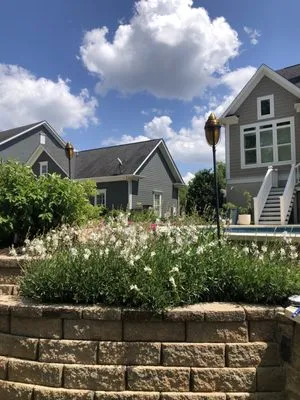
Front Yard Forest is a Columbia, SC-based landscaping company specializing in transforming outdoor spaces into thriving, sustainable environments. We address common local issues like patchy lawns and ...
Estimated Landscaping Service Costs in Pineridge, SC
Questions and Answers
We see invasive vines and nutsedge. How do we treat them without harming our creek?
Invasive species like Japanese honeysuckle and yellow nutsedge require targeted treatment. Manual removal is best for vines, while specific post-emergent herbicides are used for sedges. All applications strictly avoid the 15-foot buffer from any waterway, as mandated by the local fertilizer ordinance prohibiting phosphorus. Timing treatments for early growth stages increases efficacy and reduces chemical load.
Our yard gets soggy patches in spring but is dry in summer. What's the solution?
This indicates a seasonal perched water table common in Ultisol sandy loam, where a dense layer below the surface slows infiltration. The solution involves improving subsoil permeability through vertical mulching or installing a French drain to intercept water. Using permeable concrete pavers for patios or walkways also reduces surface runoff and can help meet Lexington County Planning & GIS stormwater management standards.
What permits and licenses are needed to regrade our half-acre lot?
Regrading a 0.35-acre property in Lexington County often requires an erosion control permit from the Planning & GIS office if more than a certain volume of soil is disturbed. The contractor must hold appropriate licensing through the South Carolina Department of Labor, Licensing and Regulation, as this work impacts drainage patterns and structural integrity. Always verify both county permits and state contractor licensing before work begins.
A storm dropped limbs everywhere. How fast can a crew respond for HOA compliance?
An emergency debris cleanup crew can typically mobilize from Pineridge Town Square, traveling via US-178 to reach most Pineridge Heights properties within 25-35 minutes during peak hours. The priority is clearing driveways and public-facing areas to meet immediate safety and covenant standards. The crew uses electric chippers and trailers to comply with local noise ordinances upon early morning arrival.
Is a wooden deck or a paver patio better for our backyard's longevity and fire safety?
Permeable concrete pavers offer superior longevity and lower maintenance than wood in our climate. They are non-combustible, which directly supports the Moderate Fire Wise (WUI Zone 2) rating by creating a defensible space of non-flammable material adjacent to the home. Pavers also manage runoff effectively and will not rot, warp, or require periodic sealing like timber.
Our yard has never been lush. After 42 years, what's wrong with our soil?
Pineridge Heights lots established in 1984 have soil that is now mature Ultisol sandy loam. The 42-year development history means the native topsoil was removed, leaving a compacted, acidic subsoil with a pH of 5.5-6.2 and low organic matter. This profile inhibits root growth and water percolation. Correcting it requires core aeration and incorporating compost to rebuild soil structure and fertility.
With Stage 1 water restrictions, how do we keep our TifTuf Bermuda healthy?
Voluntary conservation under Stage 1 is managed effectively with Wi-Fi ET-based weather-sensing irrigation. This technology schedules watering based on real-time evapotranspiration data, applying water only when the turf needs it. For TifTuf Bermuda, this means deeper, less frequent cycles that encourage drought-tolerant roots while staying well within municipal water budgets. Manual overrides account for rainfall, preventing waste.
We're tired of weekly mowing and gas blower noise. What's a quieter, lower-maintenance alternative?
Replacing high-input turf areas with a native plant community is a forward-looking solution. Planting Eastern Redbud, Purple Coneflower, Switchgrass, and Beautyberry creates a landscape that thrives on seasonal rainfall once established. This biodiverse planting requires no mowing, minimal watering, and supports pollinators. It also preempts tightening noise ordinances by eliminating the need for gas-powered blowers entirely.
